0

Baby Rash After Vaccination: Is It Normal?

Learn why baby rash after vaccination occurs, common types, home care tips, and warning signs. Understand when it’s normal and when to consult a doctor.
 

article image

Dr. Ezhilrasan

As a parent, keeping your little one safe and healthy is your top priority. You take them to their regular pediatric check-ups, hold their hand during their immunisations, and do your best to comfort them afterwards. But what happens when you bring your little one home, change their diaper, and suddenly notice red bumps or a patch of discolouration on their skin?

Seeing a baby's rash after a vaccine can be a scary and stressful experience. Your mind might immediately race with questions: Is my baby allergic to the shot? Did something go wrong? Should I rush to the emergency room?

Take a deep breath. In the vast majority of cases, a mild skin reaction following an immunisation is completely normal, harmless, and temporary. It is simply a sign that your baby’s immune system is doing exactly what it is supposed to do, learning how to protect their body.

In this comprehensive guide, we will explore why these rashes happen, which vaccines are most likely to cause them, how to soothe your baby at home, and the important warning signs that mean it is time to call your paediatrician.
 

Why Does a Baby Rash After a Vaccine Happen?

To understand why your baby has developed a rash, it helps to know how vaccines actually work. Vaccines introduce a tiny, harmless piece of a virus or bacteria (or a weakened version of it) into your baby’s body. This teaches their developing immune system how to recognise and fight off the real disease if they are ever exposed to it in the future.

When the vaccine enters your baby's muscle, their immune system immediately jumps into action. It sends white blood cells to the injection site to investigate. This immune response creates inflammation, which increases blood flow to the area.

Because a baby's skin is incredibly delicate and sensitive, this natural inflammatory response often shows up visibly on the skin. Therefore, a baby rash after a vaccine is rarely a sign of danger; rather, it is physical proof that your child's body is building vital antibodies. Dealing with mild immunisation side effects in babies is a small trade-off for life-saving protection against serious diseases.

Common Types of Post-Vaccination Rashes

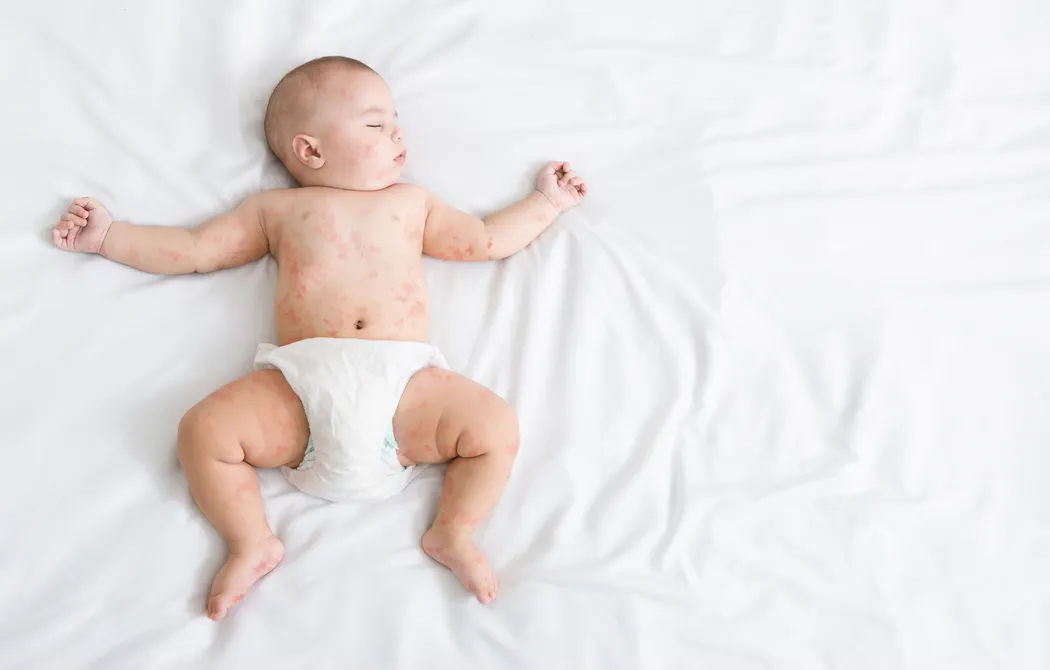
Not all vaccine rashes look the same. Depending on the type of immunisation your child received, the rash may look and act differently. Generally, these reactions fall into two main categories: localised rashes and systemic (full-body) rashes.

1. Localised Injection Site Reactions

This is the most common type of vaccine rash on a baby's skin. It occurs right where the needle went in, usually on your baby’s anterolateral thigh (the meaty part of the upper leg).

  • What it looks like: A red, slightly raised, or swollen patch of skin. It might feel slightly warm to the touch or have a small, hard lump underneath the skin.
  • When it happens: Usually within 12 to 24 hours after the doctor's visit.
  • How long it lasts: Typically, it fades on its own within 2 to 3 days, though a small painless lump under the skin can sometimes remain for a few weeks.

2. Delayed Systemic Rashes (The MMR and Varicella Vaccines)

While most inactivated vaccines (like the DTaP or Polio vaccines) cause localised redness, live-attenuated vaccines can cause a mild, full-body rash. The two most common culprits are the MMR (Measles, Mumps, Rubella) vaccine and the Varicella (Chickenpox) vaccine.

  • The MMR Rash: Because the MMR vaccine contains weakened live viruses, your baby may develop a mild, measles-like rash. This typically features flat, pink, or red spots on the chest, back, or belly. Interestingly, this rash does not appear immediately. It usually shows up 7 to 14 days after the shot is given and lasts for 2 to 3 days.
  • The Varicella Rash: Similarly, the chickenpox vaccine can cause a minor rash consisting of a few small bumps or blisters around the injection site or scattered on the body. This usually appears 1 to 3 weeks after the injection.

Note: Rashes caused by the MMR or Varicella vaccines are mild, harmless, and, most importantly, they are generally not contagious to others.
 

Home Remedies: How to Soothe Your Baby’s Skin?

If your little one is fussy or dealing with a mild baby rash after a vaccine, there are several safe, simple ways to keep them comfortable at home.

  • Apply a Cool Compress: Soak a clean, soft washcloth in cool water, wring it out, and gently place it over the red, swollen injection site. The cool temperature helps reduce inflammation and numbs any mild pain or itching.
  • Dress Them Comfortably: Avoid tight clothing that might rub against the sensitive skin. Dress your baby in loose, breathable cotton to prevent irritation and keep them cool.
  • Keep Them Hydrated: Immune responses can make babies feel a little tired or run-down. Offer extra breast milk or formula. If your baby is older than 6 months, you can also offer small sips of water.
  • Lots of Extra Cuddles: Never underestimate the power of a parent’s touch. Extra holding, rocking, and skin-to-skin contact can dramatically reduce your baby's stress and fussiness.
  • Ask About Over-the-Counter Medication: If the rash is accompanied by a mild fever or your baby seems to be in pain, contact your paediatrician. They may recommend an age-appropriate dose of infant acetaminophen (Tylenol) or ibuprofen (Motrin, for babies over 6 months). Never give aspirin to a baby or young child, as it is linked to a rare but serious condition called Reye's syndrome.

Buy Baby Diaper Rash Cream

Load more products

When Should You Worry About a Baby Rash After a Vaccine?

While experiencing mild immunisation side effects in babies is completely normal, parents should always trust their gut. There is a difference between a standard immune response and a severe allergic reaction (anaphylaxis).

Anaphylaxis is incredibly rare, occurring in roughly 1 in a million doses of vaccines, but it requires immediate emergency medical attention.

Call 911 or go to the nearest emergency room immediately if your baby’s rash is accompanied by any of the following severe symptoms:

  • Difficulty breathing, wheezing, or taking fast, shallow breaths.
    Swelling of the face, lips, tongue, or throat.
  • Extreme lethargy (floppiness), unresponsiveness, or an inability to wake up.
  • A sudden, rapid outbreak of hives all over the body within minutes to hours of the shot.
  • A high-pitched, continuous cry that lasts for three hours or more.

You should also call your paediatrician during normal hours if:

  • The redness at the injection site is larger than 2 inches in diameter.
  • The rash or redness is continuing to grow or spread after 48 hours.
  • The injection site oozes pus or looks infected.
  • Your baby has a high fever (100.4°F or higher for babies under 3 months, or over 102°F for older babies).
  • The rash looks like tiny purple pinpricks or bruises (petechiae) that do not turn white when you press on them.
Load more products

Conclusion

Navigating your child’s health milestones can feel overwhelming, but being equipped with the right information makes all the difference. Discovering a baby rash after a vaccine on your little one’s delicate skin can certainly catch you off guard, but remember that it is usually a positive sign of a healthy, active immune system hard at work.

By keeping your baby comfortable, monitoring for any red-flag symptoms, and staying in open communication with your paediatrician, you can safely guide your baby through their routine immunisations. The brief discomfort of a mild vaccine reaction is a fleeting moment, but the protection these vaccines provide will help keep your child safe for a lifetime.
 

FAQS

How common is a baby rash after a vaccine?

It is very common! A mild, localised skin reaction, such as redness, minor swelling, or a small bump at the injection site, happens in up to 25% of babies following routine immunisations. Systemic rashes, like the one associated with the MMR vaccine, occur in about 1 in 20 children (5%).

Can a vaccine rash on a baby spread to other children?

In almost all cases, no. A rash caused by a standard immune response or localised inflammation is completely non-contagious. Even the mild measles-like rash that occurs 7 to 14 days after the MMR vaccine is not contagious. Your child can safely attend daycare and interact with family members.

Should I put anti-itch cream or ointment on the injection site?

No, it is best to leave the skin alone. Do not apply over-the-counter hydrocortisone creams, antibacterial ointments, or essential oils to the injection site unless specifically instructed by your paediatrician. These can irritate the delicate puncture wound or cause an unwanted secondary skin reaction. Stick to a clean, cool, water-soaked washcloth.

Does a rash mean my baby is allergic to the vaccine?

Usually, no. True allergic reactions to vaccines are incredibly rare. A patch of redness at the injection site or a mild scattered rash a week after a live-virus vaccine is a normal immune system response, not an allergy. However, if the rash looks like raised, incredibly itchy welts (hives) that spread rapidly across the body shortly after the doctor's visit, it could indicate an allergy, and you should contact your doctor immediately.

If my baby gets a rash this time, will it happen with every future vaccine?

Not necessarily. Your baby’s immune system reacts differently to different types of vaccines. A minor baby rash after a vaccine does not mean they will have the same reaction at their next well-child visit. Furthermore, having a mild rash is not a medical reason to delay or avoid future vaccinations. Always report the rash to your paediatrician so they can note it in your baby's file, but rest assured that your baby can safely continue their immunisation schedule.

Apollo 247 Floating Action Button