Every parent knows the helpless feeling of watching their little one struggle with a sore, bright red, and painful bottom. Diaper rashes are an incredibly common part of infancy, but they can still be stressful. Most of the time, a standard barrier cream and a little bit of diaper-free time are enough to clear things up. But what happens when the rash simply won’t go away? Sometimes, a regular diaper rash develops into a fungal or bacterial infection. When standard zinc oxide pastes stop working, your paediatrician might recommend medicated treatments, such as clotrimazole for diaper rash, to help soothe and heal your baby’s delicate skin. In this comprehensive guide, we will break down the differences between fungal and bacterial rashes, explain how to use various prescribed ointments safely, and share expert tips on keeping your baby's skin healthy, comfortable, and clear.
Antifungal & Antibiotic Creams for Baby Rash
Learn how antifungal and antibiotic creams treat baby diaper rash. Understand when to use clotrimazole, ketoconazole, or mupirocin and how to care for your baby’s skin safely.
Dr. Yusuf
Understanding Baby Rashes: Is it Fungal or Bacterial?
Before applying any medicated cream to your baby’s skin, it is crucial to understand exactly what kind of rash you are dealing with. Treating a fungal rash with an antibiotic, or vice versa, will not help and could worsen the irritation.
1.The Standard Irritant Rash
A normal diaper rash is known as irritant contact dermatitis. It happens when your baby's sensitive skin is exposed to wetness, urine, and stool for too long. Friction from a tight diaper can also cause this. The skin will usually look pink or red and feel slightly warm, but it mostly stays on the flat surfaces of the buttocks and thighs, avoiding the deep skin folds.
2.Fungal Diaper Rashes (Yeast Infections)
Because babies wear diapers all day, their bottoms are a warm, dark, and moist environment—the perfect place for yeast (a type of fungus called Candida) to grow. If an irritant rash is left untreated for a few days, it can easily turn into a yeast infection. Signs of a fungal rash include:
- A deep, beefy-red colour.
- Raised borders around the rash.
- "Satellite lesions," which are tiny red bumps scattered outside the main area of the rash.
The rash settles deeply into the skin folds and creases of the groin.
Bacterial Diaper Rashes
While less common than yeast infections, bacterial infections (such as Staph or Strep) can also occur. Bacteria can enter the skin if the baby has open sores, cracks, or severe irritation from a standard rash.
Signs of a bacterial rash include:
- Yellowish, honey-colored crusts.
- Pus-filled blisters or pimples.
- Oozing or weeping skin.
- A fever or extreme fussiness.


Treating Fungal Infections with Clotrimazole
When your paediatrician diagnoses a yeast infection, they will likely prescribe an antifungal cream. Using clotrimazole for diaper rash is one of the most highly effective, widely recommended, and safest treatments available for infants.
What is Clotrimazole?
Clotrimazole is an over-the-counter and prescription antifungal medication. It works by breaking down the cell walls of the yeast fungi, effectively stopping the infection from spreading and allowing the baby's skin to heal.
How to Use Clotrimazole Safely?
If your doctor recommends clotrimazole for diaper rash, you will typically apply it two to three times a day, usually during diaper changes.
- Clean the area: Use warm water and a soft cloth to clean your baby’s bottom. Avoid wipes with alcohol or strong fragrances, as they sting.
- Dry completely: Pat the skin completely dry. Yeast thrives in moisture, so letting the skin air dry for a few minutes is highly beneficial.
- Apply a thin layer: Gently rub a small, thin layer of the clotrimazole cream directly onto the rash and the satellite bumps.
- Add a barrier cream: Most paediatricians recommend applying a thick layer of regular diaper cream (like zinc oxide or petroleum jelly) over the clotrimazole. This seals in the medicine and protects the skin from new urine and stool.
Important Note: Even if the rash looks better after a day or two, continue using the clotrimazole for diaper rash for the full duration recommended by your doctor (usually 7 to 14 days) to prevent the yeast from returning.
Other Antifungal Options: Ketoconazole Cream
In some cases, your doctor might suggest an alternative antifungal medication. For example, a doctor might prescribe a ketoconazole cream for a baby's rash. Like clotrimazole, ketoconazole is highly effective at neutralising Candida yeast. It is usually applied in a thin layer once or twice a day. Always follow your paediatrician's specific instructions when using prescription-strength antifungals.
Treating Bacterial Infections With Antibiotic Creams
If your baby's rash shows signs of a bacterial infection, such as pus or yellow crusts, antifungal creams will not work. Instead, your doctor will prescribe a topical antibiotic.
Using Mupirocin Safely
One of the most commonly prescribed treatments for bacterial skin infections in infants is mupirocin. If a doctor prescribes a mupirocin ointment for a newborn baby's care, it is usually to treat Staphylococcus aureus or Streptococcus bacteria. Because newborn skin is exceptionally thin and absorbs medications quickly, mupirocin should only be used under strict medical supervision. It works quickly to stop bacterial growth and prevent the infection from spreading to the bloodstream.
Recognizing Brand Names
When picking up your prescription, you might notice different names on the tube. For example, you might be given t bact ointment for diaper rash. T-Bact is simply a popular brand name for mupirocin ointment. Whether the tube says mupirocin or T-Bact, the application rules are the same: clean the area, dry it well, apply a thin layer of the antibiotic exactly as prescribed, and always finish the entire course of treatment to prevent antibiotic-resistant bacteria.
The ABCDEs of Diaper Rash Prevention
Whether you are currently treating a rash or trying to prevent the next one, pediatric dermatologists recommend following the "ABCDE" method for healthy baby skin:
A - Air: Let your baby go diaper-free as much as possible. Lay them on a waterproof mat or towel and let the air dry out their skin.
B - Barrier: Use thick barrier creams, like zinc oxide or petroleum jelly, with every diaper change. Think of it as frosting a cake—apply it thickly!
C - Clean: Change diapers frequently. As soon as a diaper is soiled, change it. Clean the area gently with water rather than harshly rubbing with wipes.
D - Dry: Never put a new diaper on wet skin. Always pat the bottom completely dry before applying creams and fastening the new diaper.
E - Education: Know the signs of infection. If your baby's rash doesn't improve with standard barrier creams within 48 to 72 hours, educate yourself on the next steps and consult your doctor.
When to See a Paediatrician?
While using over-the-counter clotrimazole for diaper rash can sometimes be done safely at home, there are times when you must seek professional medical care. Call your paediatrician immediately if your baby exhibits any of the following symptoms:
- The rash is accompanied by a fever.
- The rash starts to bleed, ooze yellow fluid, or form open sores.
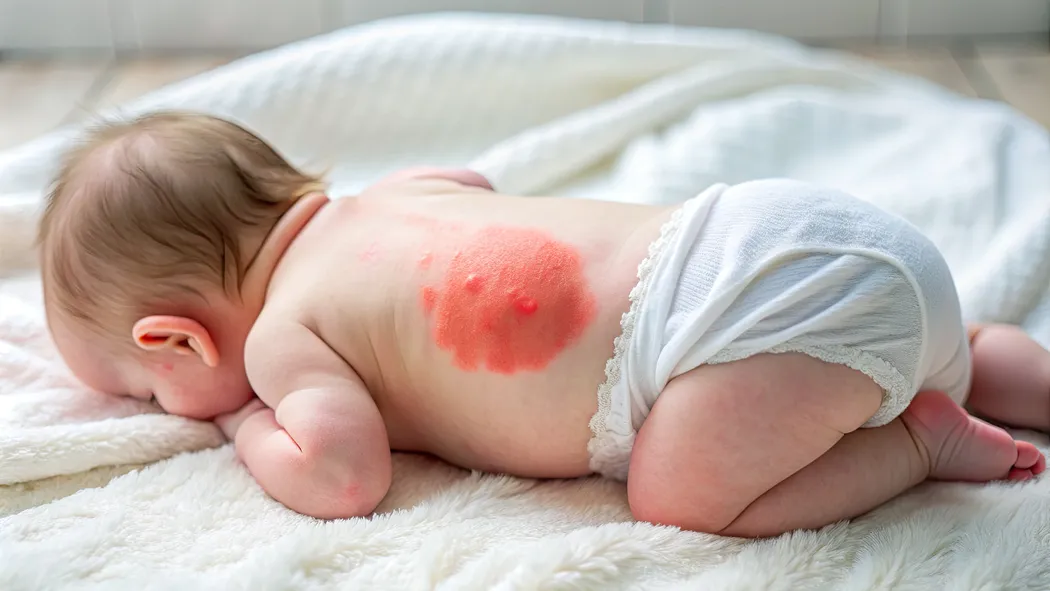
- The redness is rapidly spreading beyond the diaper area to the baby’s stomach or back.
- Your baby is crying out in severe pain during diaper changes or when passing urine.
- The rash does not improve after 3 to 4 days of using a medicated cream.
- Your baby is less than 6 weeks old (newborn rashes should always be evaluated by a doctor).
FAQS
FAQS
Can I buy clotrimazole for diaper rash over the counter?
Yes, clotrimazole is often available over the counter at most pharmacies (commonly sold as a treatment for athlete's foot or yeast infections). However, before applying any over-the-counter medication to a baby, especially an infant under 6 months old, you should consult your paediatrician to confirm that the rash is actually a fungal infection.
How long does it take for a yeast rash to clear up?
When treated properly with an antifungal cream, a yeast diaper rash typically begins to show significant improvement within 2 to 3 days. However, you should continue applying the cream for the full time recommended by your doctor (often a week or more) to ensure the fungus is completely eradicated.
Can I use a steroid cream with antifungal or antibiotic ointments?
Sometimes, paediatricians will prescribe a very mild over-the-counter hydrocortisone cream (1%) to reduce severe inflammation and redness alongside an antifungal. However, you should never use a steroid cream without your doctor's explicit instruction, as steroids can actually make some infections much worse and can thin a baby's delicate skin.
Is it safe to use antibiotic and antifungal creams together?
Usually, your baby will have either a bacterial infection or a fungal infection, not both at the same time in the same area. You should not mix medicated creams like mupirocin and clotrimazole unless a doctor has specifically diagnosed a mixed infection and instructed you to do so.
Why won't my baby's rash go away with regular barrier cream?
Regular barrier creams (like zinc oxide) are designed to block moisture, which helps heal standard irritant rashes. But if yeast or bacteria have entered the skin, trapping them under a thick layer of barrier cream can actually give them a dark, moist place to multiply. If regular cream isn't working after 3 days, it is time to ask your doctor about medicated treatments.


