0

Bajra for Weight Loss: Benefits & Diet Guide

Discover how bajra helps with weight loss. Learn its nutritional benefits, low glycemic index, high fibre content, and simple bajra recipes to support healthy and natural weight management.
 

article image

Dr. J.T.Hema Prathima

Introduction

When it comes to losing weight, the internet is flooded with restrictive diets, complicated meal plans, and expensive superfoods. However, the secret to sustainable weight management might just be sitting in your traditional pantry. Enter bajra, also known as pearl millet. This ancient, nutrient-dense grain has been a staple in Indian kitchens for centuries, but its modern popularity is skyrocketing as people rediscover its incredible health benefits. If you have been struggling to find a wholesome, filling, and nutritious addition to your diet, using *bajra for weight loss is a fantastic strategy. Packed with dietary fibre, essential proteins, and complex carbohydrates, bajra offers a natural way to manage your waistline without starving yourself. In this comprehensive guide, we will explore why this humble millet is a powerhouse for your health, answer your biggest questions, and share practical ways to include it in your daily routine.
 

What Makes Bajra a Superfood for Dieting?

Many people ask, is bajra good for weight loss? The short answer is a resounding yes. But to understand why, we need to look at the impressive nutritional profile of pearl millet and how it interacts with your body.

1. High in Insoluble Fibre

One of the biggest hurdles in any weight loss journey is dealing with constant hunger pangs. Bajra is incredibly rich in insoluble fibre. When you consume high-fibre foods, they take much longer to move from your stomach to your intestines. This process significantly slows down digestion, keeping you feeling full for hours. When you feel satiated, you are far less likely to snack on unhealthy, calorie-dense foods between meals.

2. A Great Source of Plant-Based Protein

Protein is an essential nutrient for anyone looking to lose fat while maintaining lean muscle. Compared to many other cereals, bajra has a relatively high protein content. Digesting protein requires your body to burn more calories (a process known as the thermic effect of food), which naturally boosts your metabolism.

3. Low Glycemic Index (GI)

So, exactly does bajra help in weight loss when it comes to blood sugar? Yes! Bajra has a low Glycemic Index (GI). This means that it does not cause a rapid spike in your blood sugar levels after you eat it. Foods with a high GI (like white rice or refined flour) cause quick spikes and crashes in blood sugar, leading to sudden cravings and fat storage. Because bajra releases glucose slowly and steadily into your bloodstream, it helps maintain consistent energy levels and prevents sugar crashes.
 

Why Choose Bajra Atta for Weight Loss?

If you usually consume regular wheat flour (wheat atta) or refined flour (maida), making a switch to millet flour can transform your diet. Many nutritionists highly recommend bajra atta for weight loss because it is naturally gluten-free and easier on the gut for those with gluten sensitivities.

You might be wondering, is bajra atta good for weight loss compared to standard whole wheat? Yes, because bajra flour is denser in certain micronutrients like iron, magnesium, and zinc. Magnesium, in particular, helps in synthesising protein and metabolising carbohydrates, ensuring your body uses food for energy rather than storing it as fat.

When you use bajra flour for weight loss, you are also actively promoting better gut health. The prebiotic fibre in bajra acts as food for the good bacteria in your microbiome. A healthy gut is directly linked to better digestion, reduced bloating, and a more efficient metabolism.
 

Natural Whole Foods vs. Quick Fixes

In today's fast-paced world, it is common to see people turning to extreme measures to drop pounds quickly. You may have seen headlines about celebrities or influencers using a weight loss inj (injection to rapidly shed fat. While medical treatments and injections can be prescribed by doctors for severe obesity or specific metabolic conditions, they are not a substitute for a healthy lifestyle.

For the average person, relying on sustainable, natural foods like whole grains is much safer and more beneficial in the long run. Incorporating bajra for weight loss ensures you are nourishing your body with vitamins and minerals, rather than just starving it of calories. Natural weight loss through a balanced diet leads to lasting results, better heart health, and a stronger immune system.
 

Delicious Bajra Recipes for Weight Loss

Knowing the benefits of this grain is only half the battle; the real trick is knowing how to cook it! Incorporating bajra into your meals doesn't have to be boring. Here are a few simple, tasty bajra recipes for weight loss that you can try at home.

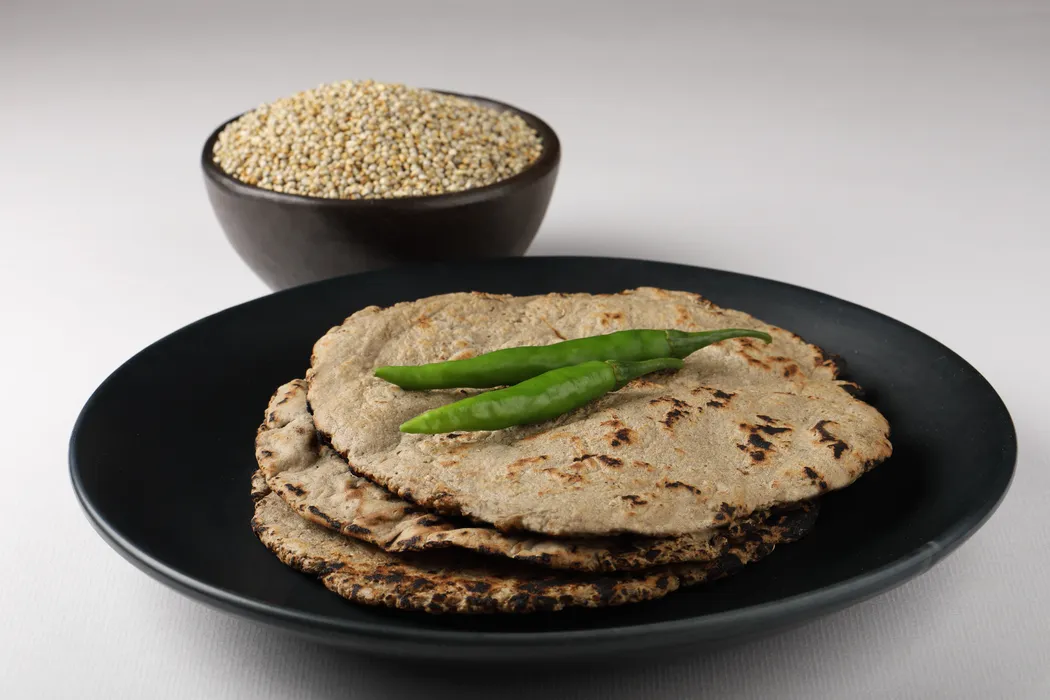
1. The Classic Bajra Roti (Bhakri)

A very common question among diet-conscious foodies is: Is bajra bhakri good for weight loss? Absolutely. A bhakri is a thick, rustic flatbread made from bajra flour. Because it is usually made without oil and is packed with complex carbs, it is an excellent alternative to regular wheat rotis.

How to make it: Knead bajra flour with warm water and a pinch of salt. Flatten it into thick circles using your hands (or a rolling pin between parchment paper, as it lacks gluten and can break easily). Roast it on a hot tawa (griddle) until brown spots appear. Pair your bhakri with a bowl of protein-rich dal (lentils) or a leafy green vegetable for a perfectly balanced weight loss meal.

2. Vegetable Bajra Khichdi

Khichdi is the ultimate Indian comfort food. By swapping out white rice for whole bajra grains, you turn a simple dish into a fat-burning meal.

How to make it: Soak whole bajra grains for a few hours. Pressure cook the soaked bajra with moong dal (yellow lentils), turmeric, and heaps of chopped vegetables like carrots, peas, and beans. Temper with a tiny bit of ghee, cumin seeds, and ginger. This dish is low in calories, high in fibre, and highly satiating.

3. Bajra and Apple Porridge

If you prefer a sweet breakfast, bajra is good for weight loss even in porridge form.

How to make it: Roast a few tablespoons of bajra flour lightly in a pan. Slowly whisk in skimmed milk or almond milk to avoid lumps. Cook until it thickens. Top it with freshly chopped apples, a dash of cinnamon, and a few crushed almonds. The cinnamon helps 
regulate blood sugar, and the bajra keeps you full until lunchtime.
 

Tips for Adding Bajra to Your Diet Safely

While using bajra for weight loss is highly effective, it is important to consume it correctly to get the maximum benefits:

  1. Practice Portion Control: Just because it is healthy does not mean it is calorie-free. Eat bajra in moderation as part of a balanced calorie-deficient diet.
  2. Drink Plenty of Water: Because bajra is extremely high in fibre, your digestive system needs adequate water to process it. If you eat high-fiber foods without drinking enough water, you may experience constipation or bloating.
  3. Soak Before Cooking: Whole bajra contains phytic acid, which can sometimes block the absorption of certain minerals. Soaking the grains in water for a few hours before cooking helps neutralise these compounds and makes the grain easier to digest.
  4. Mind the Seasons: According to traditional dietary practices, bajra produces heat in the body. It is exceptionally beneficial during the winter months. If you are consuming it during peak summer, balance it out by pairing it with cooling foods like buttermilk (chaas) or cucumber raita.

Conclusion

Losing weight does not mean you have to give up delicious, comforting food. By embracing traditional, nutrient-dense grains, you can achieve your health goals naturally and sustainably. Utilising bajra for weight loss is a scientifically backed, doctor-approved method to reduce hunger, stabilise blood sugar, and improve your overall digestive health. Whether you choose to bake a warm bhakri or cook up a comforting pot of khichdi, making bajra a regular part of your meal plan is a step toward a healthier, happier you.
 

FAQs

Can I eat bajra daily for weight loss?

Yes, you can eat bajra daily, provided you practice portion control. It is highly nutritious and keeps you full. However, it is always a good idea to rotate your grains (mixing bajra with oats, quinoa, or brown rice) to ensure you get a wide variety of nutrients.

Is bajra better than wheat for weight loss?

For weight loss, bajra is often considered superior to whole wheat because it is gluten-free, richer in fibre, and has a lower Glycemic Index. This means bajra keeps you fuller for a longer period and prevents the blood sugar spikes that often lead to fat storage.

Does bajra reduce belly fat?

No single food can spot-reduce belly fat. However, because bajra is high in fibre and protein, it helps you maintain a calorie deficit by reducing your overall appetite. A consistent calorie deficit, combined with the metabolism-boosting properties of bajra, will eventually lead to a reduction in overall body fat, including belly fat.

When is the best time to eat bajra?

Bajra can be eaten at any time of the day. Having a bajra porridge for breakfast provides long-lasting energy. Eating a bajra roti for lunch prevents the afternoon energy slump. You can also have it for dinner, but try to eat at least two hours before bedtime to allow the complex carbohydrates to digest properly.

Can people with thyroid issues consume bajra?

Pearl millet (bajra) contains goitrogens, which are compounds that can interfere with thyroid function if consumed in excessively large amounts, especially if you have an iodine deficiency. If you have hypothyroidism, it is best to cook the bajra thoroughly (which reduces goitrogens) and consult your doctor or dietitian regarding portion sizes.

Apollo 247 Floating Action Button