0

In this article

  • Understanding Healthy Weight Gain in Babies
  • What is a Baby Weight Gain Powder?
  • Choosing the Right Supplement by Age
  • What to Look for in Baby Weight Gain Products?
  • When to Consider Baby Weight Gain Supplements?
  • Natural Food Alternatives to Boost Weight
  • Conclusion

Best Baby Weight Gain Powders and Milk Supplements

Explore safe baby weight gain powders and milk supplements for infants and toddlers. Learn how to choose age-appropriate options, natural alternatives, and expert guidance.

article image

Dr. Vasantha Sree

As a parent, your child’s growth and well-being naturally take centre stage. While many babies grow steadily at their own pace, it is understandable to feel concerned if your little one appears to be gaining weight more slowly than expected. In such situations, you may come across options like baby weight gain powders or milk-based supplements.

It is important to approach these choices with clarity. Not every baby requires supplements, and growth patterns can vary widely. In many cases, simple adjustments to feeding or diet are enough to support healthy weight gain.

This guide will help you understand when weight gain products may be considered, how to choose age-appropriate options, and what factors to keep in mind before introducing any supplement. With the right information and medical guidance, you can make informed decisions that support your child’s healthy development.

Understanding Healthy Weight Gain in Babies

Before considering supplements, it is important to understand how normal growth works in infants. Babies vary widely in size, and being smaller does not necessarily mean there is a problem.

Doctors track growth using standard charts developed by global health organisations. These charts plot weight, length, and head circumference over time to assess overall development. Rather than focusing on a single number, paediatricians look for a steady and consistent growth pattern.

If your baby continues to follow their own curve, even at a lower percentile, it is usually a reassuring sign. Concern typically arises when there is a noticeable drop across percentiles or a prolonged slowdown in weight gain. In such cases, your doctor may suggest closer monitoring or adjustments in feeding.

Common reasons for slower weight gain may include:

  • Premature birth or low birth weight: Babies born early or smaller may take more time to catch up with growth.
  • Feeding difficulties: Issues such as poor latch, low milk transfer, or inefficient feeding can affect calorie intake.
  • Digestive concerns: Conditions like reflux, food sensitivities, or mild absorption issues may reduce effective nutrient uptake.
  • Transition to solids: Some babies eat less during this phase due to teething, changes in taste, or developing independence.
  • Frequent illness: Recurrent infections can temporarily reduce appetite and energy intake.

Understanding these factors helps you focus on the underlying cause rather than relying only on supplements.

What is a Baby Weight Gain Powder?

A baby weight gain powder is a specialised nutritional supplement designed to provide additional calories and essential nutrients to infants or toddlers who may need support with growth. These powders typically contain a balanced mix of proteins, healthy fats, carbohydrates, vitamins, and minerals to support overall development.

It is important to distinguish these from adult protein powders. Products meant for adults are not suitable for babies and can place unnecessary strain on their developing organs. In contrast, paediatric formulations are designed to be gentler and more appropriate for a child’s nutritional needs.

When recommended by a paediatrician and used correctly, these supplements may help address nutritional gaps, especially in children with poor appetite, selective eating, or specific medical conditions. However, they are usually meant to support a balanced diet rather than replace regular meals or milk feeds.

Choosing the Right Supplement by Age

Your child’s nutritional needs change quickly during the early years, so it is important to choose options that match their stage of development. Using age-appropriate nutrition helps support healthy growth without putting strain on their system.

Newborns and Young Infants (0-6 Months)

In the first six months, babies depend entirely on breast milk or infant formula for all their nutritional needs. At this stage, weight gain is best supported through feeding practices rather than additional supplements.

If a newborn is not gaining weight as expected, a paediatrician may suggest increasing feeding frequency, improving latch, or adjusting the type of formula. In some cases, expressed breast milk or formula may be carefully fortified under medical supervision to increase calorie intake.

It is important to avoid adding any over-the-counter powders or toddler supplements to a newborn’s feed. Products designed for older children are not suitable for infants and may cause harm. If extra nutrition is required, your doctor will guide you with a safe and precise approach tailored to your baby’s needs.

Older Babies (6-12 Months)

Around six months of age, babies begin their journey with solid foods, but breast milk or formula continues to provide the majority of their nutrition. During this phase, weight gain is best supported through nutrient-dense, natural foods rather than relying heavily on supplements.

If a baby in this age group is slightly underweight, doctors often recommend enriching meals with healthy fats such as mashed avocado, a small amount of nut butters, or adding ghee or oil to purees. These additions increase calorie intake without increasing portion size, which is helpful for babies with smaller appetites.

In certain situations, a paediatrician may recommend a specialised baby weight gain milk powder formulated for older infants. These are typically follow-up or stage formulas that provide additional calories along with key nutrients like iron and calcium. They are designed to complement solids while supporting rapid physical and brain development during this transitional phase.

Toddlers (1 to 2 Years Old)

As babies grow into toddlers, their eating habits often become unpredictable. Increased activity levels, growing independence, and phases of picky eating can all affect how much they eat and, in turn, how they gain weight.

If your child is over one year old and not gaining weight as expected, a 1 year baby weight gain powder may be introduced after consulting a doctor. These powders are usually mixed with milk or water to create a calorie-rich drink that supports overall nutrition without replacing regular meals.

By the age of two, children are constantly moving, exploring, and burning energy throughout the day. A 2 years baby weight gain powder is often formulated with a balanced combination of carbohydrates for sustained energy and protein to support muscle development. Many formulations also include essential vitamins and minerals, such as iron, vitamin D, and vitamin C, along with healthy fats like DHA, which may support brain development during this important stage of growth.
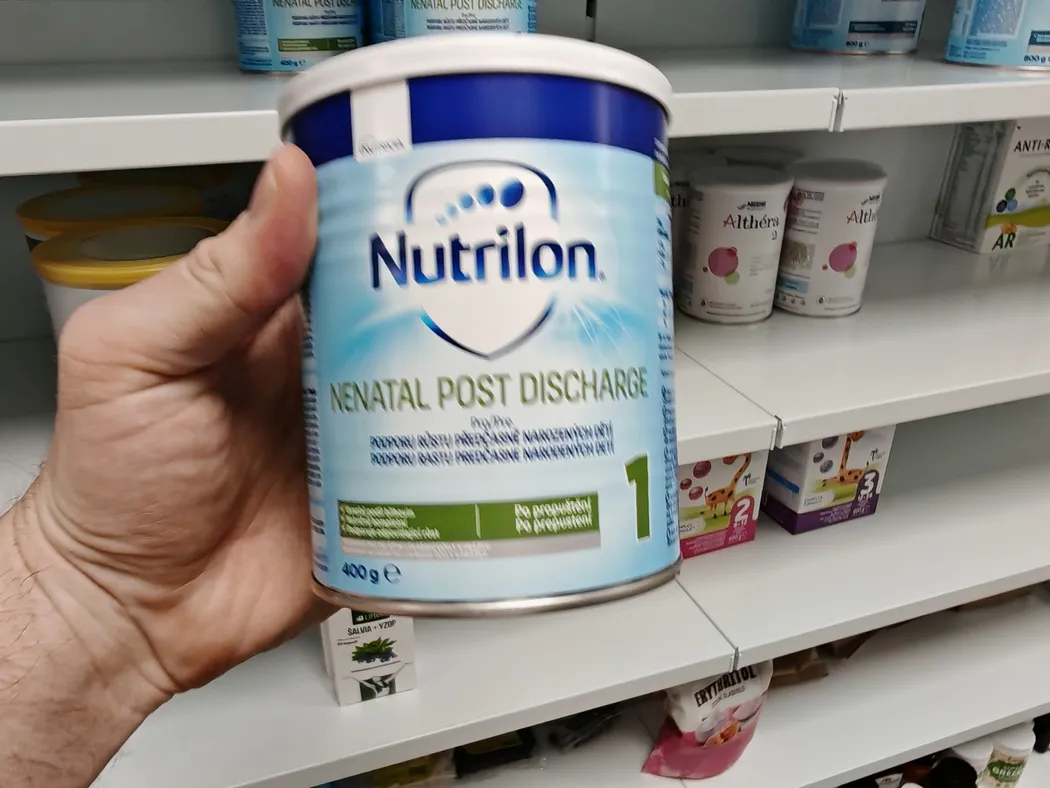
What to Look for in Baby Weight Gain Products?

Choosing the right product requires careful attention to both safety and nutritional quality. Since every child has unique needs, it is important to evaluate each option thoughtfully rather than relying on brand popularity alone.

  • Calorie Density: Choose products that provide adequate calories per serving without being excessively heavy. A balanced calorie profile helps support steady weight gain while remaining easy for your child to consume regularly.
  • Essential Vitamins and Minerals: A good formulation should include key nutrients such as iron, calcium, vitamin D, and zinc. These nutrients support bone development, immunity, and overall growth during early childhood.
  • Healthy Fats: Fats play a crucial role in brain development, especially in the first two years of life. Look for products that include beneficial fatty acids like DHA and ARA, which may support cognitive and visual development.
  • Low Added Sugars: Avoid products that rely heavily on added sugars, corn syrup, or artificial sweeteners to enhance taste. Instead, opt for formulations that use balanced carbohydrates without compromising nutritional value.
  • Digestibility: If your child has a sensitive stomach, consider options that are lactose-free or contain partially hydrolysed proteins. These are generally easier to digest and may reduce the chances of bloating or discomfort.

When to Consider Baby Weight Gain Supplements?

While a balanced diet should always be the first approach, there are certain situations where a paediatrician may advise adding supplements to support your child’s growth. These recommendations are usually based on a detailed assessment rather than weight alone.

  • Lethargy: If your baby appears unusually low on energy, shows limited interest in play, or seems less responsive than usual, it may indicate inadequate calorie intake or an underlying nutritional deficiency.
  • Missed Milestones: When a child is significantly delayed in reaching physical milestones such as rolling, sitting, standing, or walking, it could sometimes be linked to insufficient nutrition affecting overall development.
  • Refusal to Eat: Persistent refusal of meals, especially when accompanied by noticeable weight loss or stagnation, may require additional nutritional support to prevent further decline.
  • Chronic Illness: Certain medical conditions can interfere with digestion or nutrient absorption. In such cases, supplements may help meet nutritional requirements while the underlying issue is being managed.

It is always important to consult a healthcare professional before introducing any supplement. A doctor can identify the underlying cause of poor weight gain and recommend a safe, tailored plan rather than relying on a one-size-fits-all solution.

Natural Food Alternatives to Boost Weight

If your doctor determines that your child only needs a small increase in calories, simple dietary adjustments can often be enough. Focusing on whole, nutrient-dense foods helps support steady and healthy weight gain without relying on supplements.

  • Avocados: Mashed avocado is soft, easy to swallow, and naturally rich in healthy fats that support both weight gain and brain development.
  • Nut Butters: Peanut, almond, or cashew butter can be mixed into oatmeal, porridge, or yogurt. Always ensure they are smooth and well-thinned to reduce any choking risk.
  • Full-Fat Dairy: For children over one year old, whole milk, full-fat yogurt, and natural cheeses provide a good balance of calories, protein, and calcium for growth.
  • Healthy Oils: Adding a small amount of olive oil, ghee, or butter to cooked foods like vegetables, khichdi, or pasta can increase calorie content without increasing portion size.
  • Bananas and Sweet Potatoes: These foods are naturally rich in carbohydrates and provide sustained energy, making them excellent options for supporting gradual weight gain.

Conclusion

Every child grows at their own pace, and slight variations in weight are often a normal part of development. If your little one needs additional support, the right baby weight gain powder may help bridge nutritional gaps when used under medical guidance.

That said, supplements should never replace a balanced diet. Combining age-appropriate nutrition, calorie-rich whole foods, and regular monitoring by your paediatrician can support steady and healthy growth. With the right approach, patience, and consistent care, your baby is likely to grow stronger, more active, and continue progressing well over time.

Disclaimer: This article is for informational purposes only and does not substitute for professional medical advice. Always consult your paediatrician for any concerns about your baby’s health and medical needs.
 

FAQS

Which milk powder is best for baby weight gain?

The most suitable option depends on your child’s age, nutritional needs, and overall health. For infants under one year, only medically approved, high-calorie infant formulas should be used, typically under a doctor’s supervision. For toddlers over one year, paediatric nutritional powders may be recommended, as they are formulated to provide a balanced mix of calories, protein, healthy fats, and essential vitamins.

Can I give an adult protein powder to my baby to help them gain weight?

No, this is not safe. Adult protein powders contain protein levels that are too high for a baby’s developing kidneys and may include additives or sweeteners that are unsuitable for children. It is always best to use products specifically designed for infants or toddlers.

How can I safely mix a baby weight gain powder?

Always follow the instructions provided on the product packaging or those given by your doctor. Most toddler powders are intended to be mixed with water or whole milk in a precise ratio. Using the correct scoop and measurement ensures your child receives the intended nutritional balance without over- or under-concentration.

Will my baby become overweight if I use these supplements?

When used appropriately and under medical guidance, these supplements are designed to support healthy weight gain rather than excessive weight. Once your child reaches a stable growth pattern and consumes a balanced diet, your doctor may gradually reduce or stop the supplement.

Can I mix weight gain powder into my baby's solid food?

Yes, for older babies and toddlers, powders can often be added to foods like porridge, mashed fruits, yoghurt, or soft meals. This can be helpful if your child resists drinking it separately, while still allowing you to increase calorie intake in a practical and manageable way.

Apollo 247 Floating Action Button