Welcoming a new baby brings immense joy, but it can also come with a few unexpected concerns. One common condition that often surprises parents is the appearance of thick, crusty patches on a baby’s scalp. These yellow, white, or brown scales may look worrying at first, but in most cases they are completely harmless. This condition is known as cradle cap, or infantile seborrhoeic dermatitis. While it may appear uncomfortable, it usually does not bother the baby at all. In fact, many infants continue to sleep, eat, and play normally even when the flakes are visible. Although cradle cap often clears up naturally with time, many parents choose to use a cradle cap cream to speed up the healing process. The right treatment can help soften the scales, moisturise the skin, and gently remove flakes while protecting your baby’s delicate scalp. In this guide, we will explore what causes cradle cap, how to choose the safest creams and treatments, and the most effective ways to keep your baby’s scalp clean, healthy, and comfortable.
In this article
- What Is Cradle Cap?
- What Causes These Scaly Patches?
- Choosing the Best Cradle Cap Cream for Babies
- Key Ingredients to Look For
- Ingredients to Avoid
- Lotions, Creams, or Ointments: What’s the Difference?
- Step-by-Step Guide: How to Apply Cradle Cap Treatments
- Common Mistakes to Avoid
- When to See a Paediatrician?
- Conclusion
Best Cradle Cap Creams & Treatments
Discover the best cradle cap creams and treatments for babies. Learn causes, safe ingredients, step-by-step care routines, and when to see a paediatrician.
Dr. Kamran
What Is Cradle Cap?
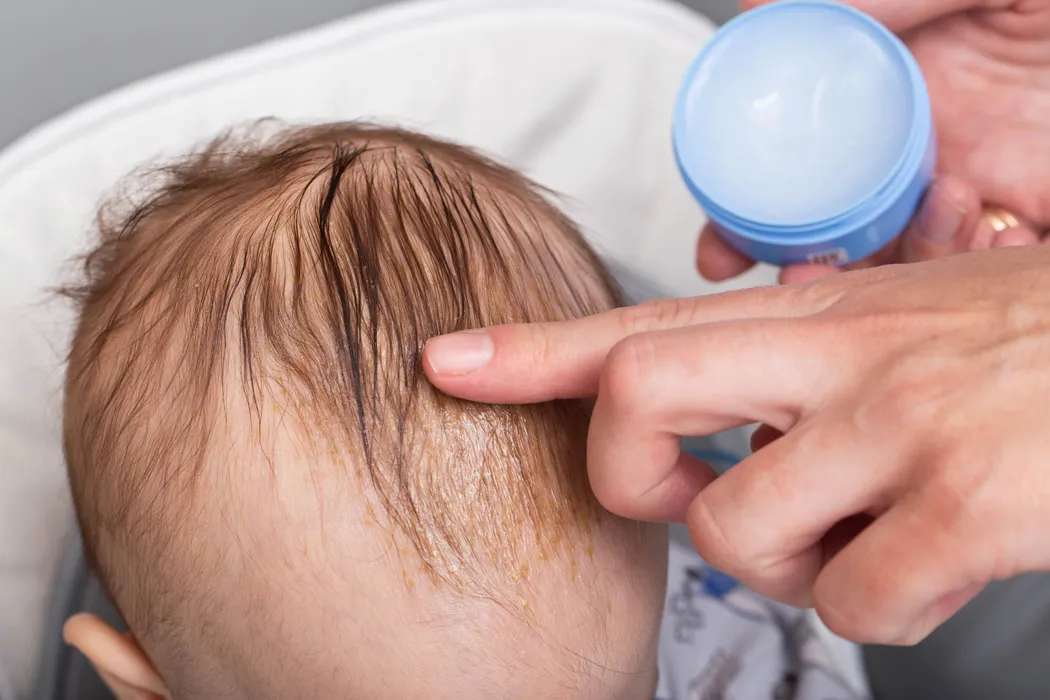
Cradle cap is the common name for infantile seborrhoeic dermatitis, a mild skin condition that typically appears during the first few weeks or months of a baby’s life. It most commonly affects the scalp but can also appear on other oily areas of the skin. Common areas where cradle cap may develop include:
- The scalp
- Forehead
- Eyebrows
- Behind the ears
- Neck folds
- Diaper area
Common Symptoms
Parents may notice several visible signs, including:
- Thick, crusty, or greasy scales on the scalp
- Flaky white, yellow, or brown patches
- Mild redness under the scales
- Slightly oily-looking skin
Most importantly, cradle cap rarely causes itching or pain, which means your baby usually remains comfortable.
It is also important to understand that cradle cap:
- Is not contagious
- Is not caused by poor hygiene
- Does not indicate an allergy
It is simply a temporary skin condition that many babies experience during early development.


What Causes These Scaly Patches?
Doctors have not identified one single cause of cradle cap, but experts believe that several biological factors contribute to its development.
1. Maternal Hormones
During the final weeks of pregnancy, certain hormones pass from the mother to the baby. These hormones can temporarily stimulate the baby's sebaceous glands, which produce natural skin oils. When these glands produce too much oil (called sebum), it can mix with dead skin cells and form the thick scales seen in cradle cap.
2. Malassezia Yeast
A naturally occurring yeast called Malassezia lives on the skin of both adults and babies. When excess oil is present, this yeast can grow more rapidly and contribute to inflammation and increased skin cell production. This combination of oil, yeast, and dead skin cells leads to the buildup of flakes and crusts on the scalp.
Choosing the Best Cradle Cap Cream for Babies
Walking through the baby care aisle can feel overwhelming. With so many lotions, oils, and creams available, it can be difficult to know which product is actually effective.
A cradle cap cream for babies is specially formulated to:
- Break down excess oil build-up.
- Soften hardened scales
- Nourish and protect delicate infant skin
Unlike regular moisturisers, these creams are designed specifically for the unique needs of a baby's scalp.
Key Ingredients to Look For
When selecting a cradle cap treatment, it is important to check the ingredient list. The safest products use gentle and dermatologist-approved ingredients.
Emollients (Squalane or Ceramides)
Emollients help lock in moisture and repair the skin’s protective barrier. Ingredients like ceramides and squalane hydrate the scalp without clogging pores.
Colloidal Oatmeal
Colloidal oatmeal is widely used in baby skincare because of its soothing properties. It helps calm redness, reduce irritation, and protect sensitive skin.
Mild Exfoliating Ingredients
Some cradle cap treatments include very small amounts of salicylic acid or similar exfoliants designed specifically for infants. These ingredients help loosen the protein bonds that hold flakes together. Only use exfoliating products clearly labelled 'safe for babies'.
Natural Oils
Gentle oils can soften the crusty scales and make them easier to remove. Safe options include:
- Sunflower seed oil
- Jojoba oil
- Mineral oil
- Baby oil
These oils help loosen flakes while keeping the scalp moisturised.
Ingredients to Avoid
Because babies have thin and sensitive skin, some ingredients should be avoided in cradle cap products.
Harsh Fragrances
Artificial fragrances and perfumes may irritate sensitive skin and worsen redness.
Parabens and Phthalates
These chemicals are commonly used as preservatives in skincare products but are generally avoided in infant care products.
Strong Essential Oils
Highly concentrated essential oils such as tea tree oil, peppermint oil, or eucalyptus oil can be too strong for a baby’s scalp and may cause irritation.
Choosing fragrance-free and hypoallergenic products is usually the safest option.
Lotions, Creams, or Ointments: What’s the Difference?
Baby skincare products usually come in three main forms: lotions, creams, and ointments. Each type works differently.
Lotions
Lotions contain a higher amount of water, making them lightweight and easy to spread. They are excellent for everyday moisturising but may not be strong enough to soften thick cradle cap scales.
Creams
Creams provide a balance between hydration and thickness. A cradle cap cream is usually the best option because it delivers deep moisture while still absorbing easily into the skin.
Ointments
Ointments contain the highest concentration of oils and are often made with petroleum jelly or mineral oil. They are especially helpful for severe or hardened cradle cap patches, as they soften the scales before washing.
Step-by-Step Guide: How to Apply Cradle Cap Treatments
Using cradle cap cream correctly can significantly improve results. Paediatricians often recommend a simple and gentle routine.
Step 1: Soften the Scales
Apply a small amount of cradle cap cream or ointment directly onto the dry scalp. Use your fingertips to gently massage the product into the affected areas. Allow the treatment to sit for 15 to 30 minutes so it can soften the crusty buildup.
Step 2: Loosen the Flakes
After the scales soften, gently brush the scalp using:
- A soft baby hairbrush
- A cradle cap comb
- A soft washcloth
Use light circular motions to lift the flakes.
Important rule: Never scrape or force flakes off the scalp.
Step 3: Wash the Hair
During bath time, rinse the scalp with warm water and wash using a mild tear-free baby shampoo. This step removes loosened flakes and excess oils.
Step 4: Moisturise After the Bath
After gently patting your baby’s scalp dry, apply a thin layer of cradle cap cream to keep the skin hydrated and prevent new flakes from forming.
Common Mistakes to Avoid
While treating cradle cap, some common habits can accidentally irritate your baby’s skin.
Picking or Scratching the Scales
Picking at the flakes can break the skin, leading to bleeding or infection. Always allow scales to loosen naturally.
Using Olive Oil
Although some traditional remedies recommend olive oil, dermatologists now believe it may encourage the growth of Malassezia yeast, potentially worsening cradle cap.
Mineral oil or specially formulated cradle cap treatments are safer alternatives.
Over-washing the Scalp
Washing your baby’s hair too frequently can dry out the scalp and trigger increased oil production. Washing every two to three days is usually sufficient.
When to See a Paediatrician?
In most cases, cradle cap improves with simple home care. However, parents should consult a paediatrician if they notice concerning symptoms.
Seek medical advice if:
- The scales spread beyond the scalp
- The skin becomes bright red or swollen
- Patches begin to ooze or bleed
- The condition does not improve after several weeks
- Your baby appears uncomfortable or unusually itchy
In more severe cases, a doctor may prescribe treatments such as:
- 1% hydrocortisone cream to reduce inflammation
- Antifungal creams like ketoconazole to control yeast growth
These medications should only be used under medical supervision.
Conclusion
Cradle cap may look concerning, but it is a very common and harmless condition experienced by many newborns. With the right care routine and the best cradle cap cream, parents can safely soften flakes, moisturise the scalp, and support healthy skin recovery. Remember to use gentle products, avoid picking at the scales, and maintain a simple scalp-care routine. Most importantly, do not hesitate to consult your paediatrician if you have concerns about your baby’s skin. With patience and proper care, your baby’s scalp will soon return to its natural softness.
FAQS
FAQS
Does cradle cap go away on its own?
Yes. In most babies, cradle cap disappears naturally by the time they are 6 to 12 months old. Treatment mainly helps improve the appearance and speed up the healing process.
Can I use adult dandruff shampoo on my baby?
No. Adult dandruff shampoos contain strong ingredients and detergents that can irritate a baby’s sensitive skin and eyes. Always use mild baby shampoos or paediatrician-recommended treatments.
Does cradle cap cause permanent hair loss?
No, cradle cap does not cause permanent hair loss. Some hair may fall out with the flakes, but the hair will grow back normally once the scalp heals.
Is cradle cap cream safe for newborns?
Most cradle cap creams labelled for infants are safe for newborn skin. However, it is recommended to perform a patch test first by applying a small amount to the baby's arm and waiting 24 hours to check for reactions.
How long does it take for cradle cap treatments to work?
With consistent care, softening the scales, brushing gently, and washing the scalp, most parents notice improvement within one to two weeks. If there is no improvement after several weeks, consult your paediatrician.


