0

In this article

  • What is Cradle Cap, and Why Does it Happen?
  • How to Choose the Best Shampoo for Cradle Cap in Babies?
  • Global Options: Finding the Right Match
  • Step-by-Step: How to Properly Use a Cradle Cap Treatment Shampoo
  • Beyond the Wash: Understanding Cradle Cap Cream Uses
  • When to See a Paediatrician?
  • Conclusion

Best Cradle Cap Shampoos for Babies

Discover the best cradle cap shampoos for babies, including gentle and medicated options. Learn how to choose safe, effective products for your baby’s scalp.

article image

Apollo Pharmacy

Bringing a new baby home is an exciting, joyous experience, but it also comes with a steep learning curve. As you gaze lovingly at your newborn, you might suddenly notice thick, crusty, or oily yellow and brown patches forming on their scalp. Before panic sets in, take a deep breath. This incredibly common condition is known as infantile seborrheic dermatitis, universally referred to as cradle cap.

While it might look uncomfortable or alarming, cradle cap is completely harmless, non-contagious, and generally doesn't bother your baby at all. However, as a parent, you naturally want your baby’s skin to be as healthy and clear as possible. Fortunately, finding the right cradle cap shampoo can help loosen those stubborn flakes and nourish your little one’s delicate scalp.

In this comprehensive guide, we will explore everything you need to know about managing this condition, what ingredients to look for, and how to safely choose the perfect products for your infant's sensitive skin.
 

What is Cradle Cap, and Why Does it Happen?

Before diving into treatments, it helps to understand what you are dealing with. According to pediatric dermatologists and the Mayo Clinic, cradle cap is essentially baby dandruff. It usually appears within the first few weeks or months of life and typically clears up on its own by the time a baby reaches their first birthday.

Medical experts believe cradle cap is caused by a combination of two factors:

1. Overactive Sebaceous Glands: Hormones passed from the mother to the baby before birth can cause the baby's oil glands to 
produce too much sebum (oil).

2. Yeast (Malassezia): A naturally occurring yeast that grows in the sebum along with bacteria can trigger an inflammatory response, leading to flaking.

When parents first notice these scaly patches, finding a reliable shampoo for cradle cap often becomes their first line of defence to keep the scalp clean and manage the buildup.
 

How to Choose the Best Shampoo for Cradle Cap in Babies?

Not all baby shampoos are created equal. When dealing with infantile seborrheic dermatitis, you need a product that balances gentle cleansing with effective flake removal. When searching for the best shampoo for cradle cap in babies, keep an eye out for the following characteristics:

1. Mild, Tear-Free Formulations

The skin on a baby’s head is remarkably thin and sensitive. A standard cradle cap baby shampoo should be free of harsh sulfates, parabens, phthalates, and artificial fragrances. These chemicals can strip the scalp of its natural moisture and worsen the flaking.

2. Formulated with Gentle Exfoliants

To loosen the crusty scales, a specialised baby cradle cap shampoo often contains very mild exfoliating ingredients. Look for products containing low, baby-safe concentrations of salicylic acid. This ingredient helps to safely dissolve the dead skin cells that make up the cradle cap scales.

3. Antifungal and Antibacterial Properties

Since a yeast called Malassezia contributes to cradle cap, paediatricians sometimes recommend shampoos containing pyrithione zinc or ketoconazole for severe cases. However, these are typically reserved for persistent cases and should be used under a doctor’s supervision.

4. Natural Oils and Soothing Botanicals

Many parents prefer to start with natural ingredients. An excellent baby shampoo for cradle cap will often feature hydrating ingredients like aloe vera, jojoba oil, or oat extract to calm inflammation and moisturise the skin underneath the scales.
 

Global Options: Finding the Right Match

No matter where you live, treating your baby’s scalp requires a careful approach. Whether you are shopping in local pharmacies in the United States, browsing European drugstores, or looking for a high-quality cradle cap shampoo for babies in India, the fundamental rule is to choose paediatrician-approved products.

Across the globe, certain brand names and formulations have become trusted household staples. For example, products like dentinox cradle cap shampoo are widely recognised internationally. Formulations like this are specifically designed to gently cleanse the scalp while soothing the irritation associated with cradle cap, proving that effective over-the-counter options are highly accessible to parents everywhere.

Step-by-Step: How to Properly Use a Cradle Cap Treatment Shampoo

Even the best shampoo for cradle cap won't be fully effective if it isn't used correctly. To get the best results without irritating your baby's skin, follow this simple, paediatrician-approved routine:

Step 1: Pre-Treat with Oil (Optional)

About 15 to 30 minutes before bath time, massage a few drops of pure mineral oil, baby oil, or a natural option like coconut oil into the scaly patches. This softens the hardened crusts.

Step 2: Gently Brush the Scalp

Using a soft-bristled baby brush or a silicone cradle cap comb, gently massage the scalp in circular motions. Never pick, scratch, or scrape the scales with your fingernails, as this can cause pain, bleeding, and potential infections.

Step 3: Apply the Shampoo

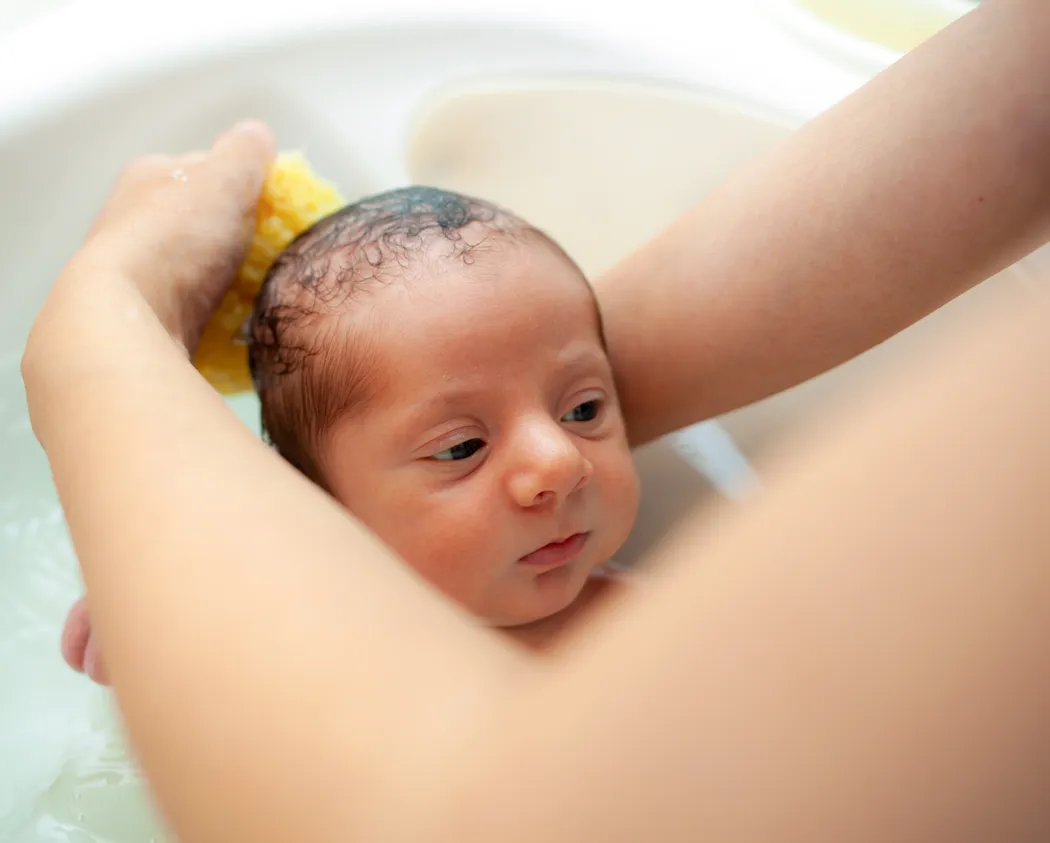
Wet your baby’s hair with warm water. Apply a small amount of your chosen cradle cap treatment shampoo and massage it gently into the scalp. Let it sit for a minute or two to allow the active ingredients to work their magic.

Step 4: Rinse Thoroughly

Rinse the shampoo completely out of your baby's hair. Any leftover shampoo residue can dry out the scalp and cause further flaking.

Step 5: Pat Dry

Gently pat the head dry with a soft, clean towel.

Using a good cradle cap shampoo for baby regularly - usually two to three times a week - will help keep the scalp clean and gradually reduce the appearance of the scales.
 

Beyond the Wash: Understanding Cradle Cap Cream Uses

While washing the hair is the foundation of treatment, sometimes a wash-off product isn't quite enough. This is where leave-on creams come into play. Understanding cradle cap cream uses is a game-changer for parents dealing with stubborn, thick patches of scales.

Cradle cap creams are specifically formulated to be applied directly to the scalp and left on to provide continuous hydration. The primary uses of these creams include:

  • Deep Moisturisation: They penetrate thick scales, softening them over several hours.
  • Soothing Inflammation: Many creams contain ingredients like calendula or aloe to reduce redness.
  • Barrier Protection: They help restore the scalp's natural moisture barrier, preventing the overproduction of sebum that causes the flakes 
    in the first place.

Often, parents find that combining a specialised cream with a high-quality shampoo for cradle cap in babies provides the fastest and most effective relief.

When to See a Paediatrician?

In the vast majority of cases, home care with a gentle cradle cap shampoo is all that is needed to resolve the issue. However, there are times when you should consult your child's paediatrician. Reach out to a healthcare professional if:

  • The cradle cap is severe and covers large areas of the head.
  • The scales begin to spread to the baby’s face, neck, ears, or diaper area.
  • The patches look red, swollen, or feel warm to the touch (signs of infection).
  • The areas begin to weep fluid or bleed.
  • The condition does not improve after a few weeks of using a specialised cradle cap shampoo for babies.

In these instances, your doctor may prescribe a stronger, medicated antifungal shampoo or a mild hydrocortisone cream to clear the inflammation.

Conclusion

Cradle cap may look concerning, but it is a harmless and temporary condition that most babies outgrow naturally. With the right approach, including gentle cleansing, proper scalp care, and the use of a suitable cradle cap shampoo, you can effectively manage and reduce those flaky patches.

Choosing a mild, baby-safe shampoo with soothing and nourishing ingredients plays a key role in keeping your baby’s scalp healthy. Combined with gentle brushing and consistent care, this simple routine can significantly improve the condition over time. If the flakes persist, spread, or show signs of infection, do not hesitate to consult your paediatrician. With patience and the right care, your baby’s 
scalp will soon return to being soft, clean, and healthy.

FAQs

How often should I use a cradle cap shampoo for babies?

For mild cases, washing your baby's hair every 2 to 3 days with a specialised cradle cap shampoo is usually sufficient. Over-washing can strip the scalp of its natural oils, which might cause the baby's skin to produce even more oil to compensate, worsening the condition.

Is it safe to pick or peel the cradle cap scales off my baby’s head?

No. You should never pick or scrape the scales with your fingernails. Picking at the flakes can create microscopic tears in your baby's delicate skin, opening the door for bacterial infections. Instead, soften them with oil and wash them away naturally with a gentle shampoo for cradle cap.

Is cradle cap contagious or caused by poor hygiene?

Absolutely not. Cradle cap is entirely non-contagious. It is not caused by poor hygiene, dirty environments, or bad parenting. It is simply a biological reaction involving maternal hormones and natural yeast on the skin.

Can I use regular adult dandruff shampoo on my baby?

No. Adult dandruff shampoos often contain high concentrations of active ingredients (like strong salicylic acid or coal tar) and harsh detergents that are too abrasive for a baby’s delicate skin and eyes. Always use a product specifically labelled as a cradle cap shampoo for baby or one explicitly recommended by your paediatrician.

How long does it usually take for cradle cap to go away completely?

With regular care, mild cradle cap can clear up within a few weeks. However, it is entirely normal for the condition to persist or come and go for several months. For most infants, it resolves completely on its own between 6 and 12 months of age. With regular care, mild cradle cap can clear up within a few weeks. However, it is entirely normal for the condition to persist or come and go for several months. For most infants, it resolves completely on its own between 6 and 12 months of age.

Apollo 247 Floating Action Button