0

In this article

  • Why Healthy Weight Gain Matters for Babies?
  • The Best Dry Fruits for Baby Weight Gain
  • The Power of Lentils: Which Dal is Good for Baby Weight Gain?
  • How to Combine Dals and Dry Fruits for Maximum Nutrition?
  • Important Safety Tips for Feeding Babies
  • Conclusion

Best Dry Fruits & Dals for Baby Weight Gain

Discover the best dry fruits and dals to boost your baby's healthy weight gain. Learn safe, nutritious, and easy-to-digest recipes for your little one.
 

article image

Dr. Nallapu Siri

As a parent, watching your little one reach their growth milestones is one of your greatest joys. However, it is also completely normal to worry about your baby’s growth chart. When transitioning your baby to solid foods, you might find yourself constantly wondering how to provide the right balance of nutrients to support healthy, steady growth.

Instead of relying on processed baby foods or sugary supplements, nature provides us with incredible, nutrient-dense ingredients. Incorporating dry fruits for baby weight gain, alongside protein-packed lentils (dals), is a fantastic and natural strategy to boost their daily caloric intake.

In this comprehensive guide, we will explore why healthy fats and proteins are essential for your baby’s development, outline the top nuts and lentils to include in their meals, and answer the common question: which dal is good for baby weight gain?


Why Healthy Weight Gain Matters for Babies?

During the first two years of life, a baby’s brain and body grow at an incredibly rapid pace. According to the World Health Organisation (WHO), a baby’s diet needs to provide sufficient energy (calories), protein, and essential micronutrients like iron and zinc to support this explosive development.

Healthy weight gain is not about making a baby "chubby"; it is about building strong bones, developing healthy muscles, and fueling cognitive (brain) development. Because a baby's stomach is very small, they cannot eat large volumes of food. Therefore, every bite they take needs to be "nutrient-dense", meaning it is packed with high amounts of vitamins, minerals, and calories in a very small serving.

This is exactly why dals and dry fruits are perfect for your baby. They deliver maximum nutrition without requiring your baby to eat large, overwhelming portions.
 

The Best Dry Fruits for Baby Weight Gain

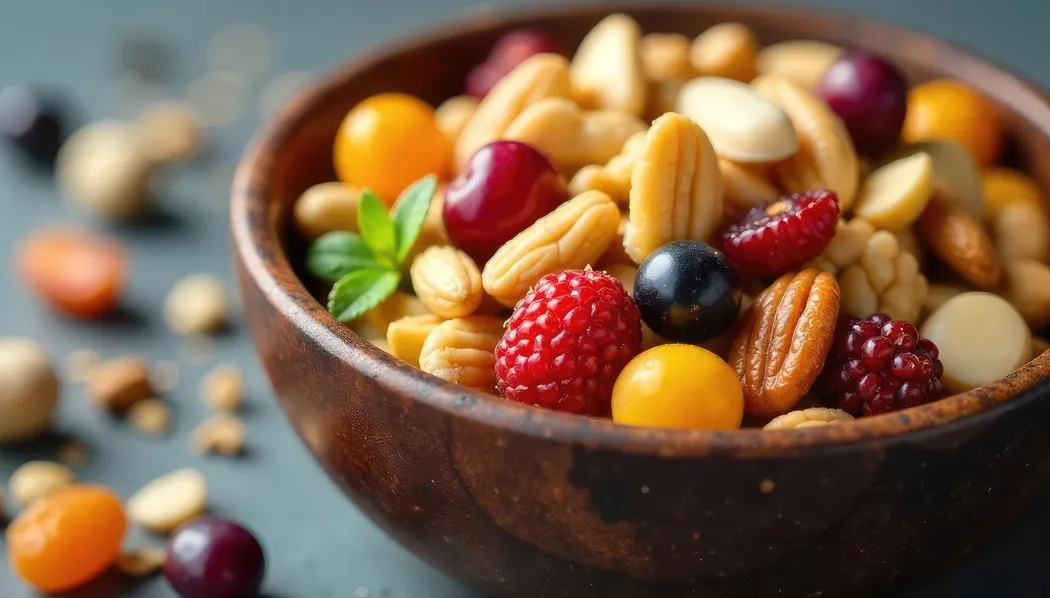
When exploring dry fruits for baby weight gain, it is important to remember that whole nuts and large dried fruits are serious choking hazards for infants and toddlers. Always serve dry fruits in a safely prepared form, such as a finely ground powder, a smooth paste, or pureed into other foods.

Here are the top dry fruits to include in your baby’s diet:

1. Almonds (Badam)

Almonds are a powerhouse of nutrition. They are rich in healthy monounsaturated fats, protein, and dietary fibre, all of which contribute to healthy weight gain. Furthermore, almonds are packed with Vitamin E, which is crucial for maintaining healthy skin and supporting your baby's developing immune system.

  • How to serve: Soak almonds overnight, peel off the skin, and blend them into a smooth puree. Alternatively, dry roast and grind them into a fine powder to sprinkle over porridge.

2. Walnuts (Akhrot)

Walnuts are exceptionally high in Omega-3 fatty acids. Omega-3s are known as "brain food" because they are vital for central nervous system development and cognitive function. They are also calorie-dense, making them one of the most effective dry fruits for baby weight gain.

  • How to serve: Roast lightly and grind into a fine powder. Mix a pinch into mashed bananas or applesauce.

3. Dates (Khajoor)

Dates are an excellent, natural way to sweeten your baby’s food without using refined sugar. They are incredibly rich in iron, which helps prevent anaemia, and they provide easily digestible carbohydrates for quick energy. Their high-calorie content makes them perfect for babies who need a little help bulking up safely.

  • How to serve: Soak dates in warm water until soft, remove the pits, and blend into a smooth date syrup or paste. Mix this paste into oatmeal or milk

4. Cashews (Kaju)

Cashews are loaded with healthy fats, magnesium, and zinc. Zinc is a critical mineral that supports healthy digestion and a robust immune system. Cashews have a naturally creamy texture, which makes them very appealing to babies when blended into meals.

  • How to serve: Grind roasted cashews into a fine powder, or blend soaked cashews into a creamy paste to add to vegetable soups.

5. Raisins (Kishmish)

Raisins are tiny packages of concentrated calories, fibre, and potassium. The fibre in raisins helps regulate bowel movements, ensuring that your baby does not get constipated as they transition to eating more solid foods.

  • How to serve: Always boil or soak raisins until they are very plump and soft, then mash or puree them completely before feeding.

Buy Baby Food Cereal
 

The Power of Lentils: Which Dal is Good for Baby Weight Gain?

Lentils, locally known as dal, are a staple in many households, and for good reason. They are an excellent source of plant-based protein, complex carbohydrates, and essential minerals. But with so many varieties available, parents frequently ask: Which dal is good for baby weight gain?

The truth is, while almost all dals are beneficial, some are better suited for different stages of your baby's digestion and growth. Here is a breakdown of the best options:

1. Moong Dal (Split Yellow Lentils)

If you are introducing dal to your baby for the very first time (around 6 months of age), Moong Dal is the absolute best choice. It is the lightest on a baby’s developing digestive system and rarely causes gas or bloating. While it is lower in fat, it is rich in protein and easily absorbed carbohydrates, providing a healthy foundation for weight gain.

2. Urad Dal (Split Black Gram)

If you are wondering specifically which dal is good for baby weight gain in terms of dense calories, Urad Dal is the answer. Urad dal is heavily nutrient-dense and is traditionally used in many cultures to help babies and toddlers gain weight safely. It is rich in protein, fat, and iron. Because it is heavier to digest, it is best introduced after your baby is 8 to 10 months old and comfortable with lighter dals.

3. Masoor Dal (Split Red Lentils)

Masoor dal is another easily digestible option that cooks very quickly. It is packed with iron, folate, and protein. Iron is particularly important for babies past the 6-month mark, as their natural iron stores from birth begin to deplete.

4. Toor Dal (Pigeon Peas)

Toor dal provides a hearty amount of carbohydrates and proteins, making it a great energy-boosting food. It is slightly heavier than moong dal, so it is recommended to introduce it around 8 months. Mixing toor dal with a healthy fat like ghee (clarified butter) makes it a perfect weight-gain meal.
 

How to Combine Dals and Dry Fruits for Maximum Nutrition?

To maximise your baby’s growth, you can combine these two superfoods. Adding a healthy source of fat, like a teaspoon of pure cow’s ghee, helps the body absorb fat-soluble vitamins and adds extra, healthy calories.

Here are a few simple ways to incorporate them into your baby's routine:

  • Nutty Dal Khichdi: Cook rice and moong dal together until soft and mushy. Stir in a half teaspoon of ghee and a small pinch of your homemade dry fruit powder.
  • Date & Dal Porridge: Boil moong dal with a bit of water and a spoonful of homemade date puree for a sweet, protein-rich, high-calorie meal.
  • Oatmeal with Nut Powder: Cook plain oats with milk (or breastmilk/formula) and stir in a spoonful of ground almonds and walnuts.
     

Important Safety Tips for Feeding Babies

While adding dry fruits for baby weight gain is highly beneficial, safety must always come first. The Centres for Disease Control and Prevention (CDC) and paediatricians worldwide recommend the following guidelines:

1. Beware of Choking Hazards: Never give whole nuts, big chunks of nuts, or whole sticky dried fruits (like raisins or dates) to children under 4 years old. Always use fine powders or smooth purees.
2. The 3-Day Rule for Allergies: Tree nuts (like almonds, walnuts, and cashews) are common allergens. Introduce one type of nut powder at a time. Wait for 3 to 4 days before introducing another new food, watching closely for signs of an allergic reaction (such as hives, swelling, or digestive upset).
3. Ensure Proper Cooking: Always cook dals thoroughly until they can be easily mashed between your fingers. Uncooked or hard dal is difficult for babies to digest and can pose a choking risk.
4. No Honey Before Age One: If you want to sweeten your baby's dry fruit or dal porridge, use date puree or mashed bananas. Never use honey for babies under 12 months, as it carries a risk of infant botulism.
 

Conclusion

Helping your baby achieve a healthy weight does not require complicated recipes or expensive supplements. By utilising natural dry fruits for baby weight gain and choosing the right, nutrient-dense dals, you can provide your little one with all the building blocks they need for a healthy body and a sharp mind. Always introduce new foods slowly, prioritise safe food preparation, and enjoy the beautiful journey of watching your baby grow strong and healthy.
 

FAQS

At what age can I give dry fruits to my baby?

You can introduce dry fruits to your baby around 6 to 8 months of age, once they have successfully started eating basic solid foods. However, they must be given in a safe, finely powdered, or pureed form to prevent choking.

Can eating dal cause gas in babies?

Some heavier dals, like Toor or Urad dal, can cause mild gas in babies whose digestive systems are still developing. To prevent this, always soak dal for 30-60 minutes before cooking, wash it thoroughly, and start with easily digestible Moong dal. Adding a tiny pinch of roasted cumin powder can also aid digestion.

How much dry fruit powder should I give my baby daily?

Moderation is key. A half to one teaspoon of mixed dry fruit powder per day is more than enough for a baby under 12 months. Too much can be heavy on their liver and digestive system.

Is ghee necessary to add to dal for weight gain?

While not strictly necessary, adding a small amount of ghee (about 1/2 teaspoon) to your baby’s dal is highly recommended. Ghee is rich in healthy fats, aids in brain development, increases the calorie density of the meal, and helps the body absorb the vitamins present in the dal.

Should I soak dry fruits before giving them to my baby?

Yes, it is highly recommended to soak nuts like almonds and walnuts overnight. Soaking removes phytic acid from the skin, which makes the nuts much easier to digest and allows your baby’s body to absorb the nutrients more effectively.

Apollo 247 Floating Action Button