Feeding time is one of the most important parts of newborn care. Whether you are giving expressed breast milk, infant formula, or combining breastfeeding with bottle feeding, choosing the right feeding bottle helps make feeds smoother and more comfortable for your baby. With many bottle shapes, materials, and brands available, selecting the best option can feel confusing for new parents. The right bottle can reduce gas, support better latching, and improve feeding comfort. This guide explains how to choose the best feeding bottle for a newborn, what bottle features matter most, and which types are commonly recommended.
In this article
- Can a Newborn Use a Feeding Bottle?
- Why Does Paced Bottle Feeding Matter?
- How to Choose the Best Feeding Bottle for a Newborn?
- Important Bottle Features to Look For
- Popular Feeding Bottle Choices for Newborns
- Bottle Starter Sets
- Safe Cleaning and Sterilising Tips
- Formula Preparation Safety
- Do Newborns Need a Water Bottle?
- When to Consult a Paediatrician?
- Conclusion
Best Feeding Bottle for Newborn Baby: Top Picks
Learn how to choose the best feeding bottle for a newborn, including bottle materials, anti-colic features, nipple flow, and safe feeding tips.
Dr. Nallapu Siri
Can a Newborn Use a Feeding Bottle?
Yes, a feeding bottle can be safely used for newborns when proper hygiene and feeding methods are followed. According to the World Health Organization, exclusive breastfeeding is recommended during the first six months whenever possible, but bottles are often necessary for many families. Bottle feeding may be used for:
- Expressed breast milk
- Infant formula
- Combination feeding
If breastfeeding is also being established, many experts suggest introducing bottles after breastfeeding becomes stable, usually after a few weeks, unless earlier bottle use is necessary.
Why Does Paced Bottle Feeding Matter?
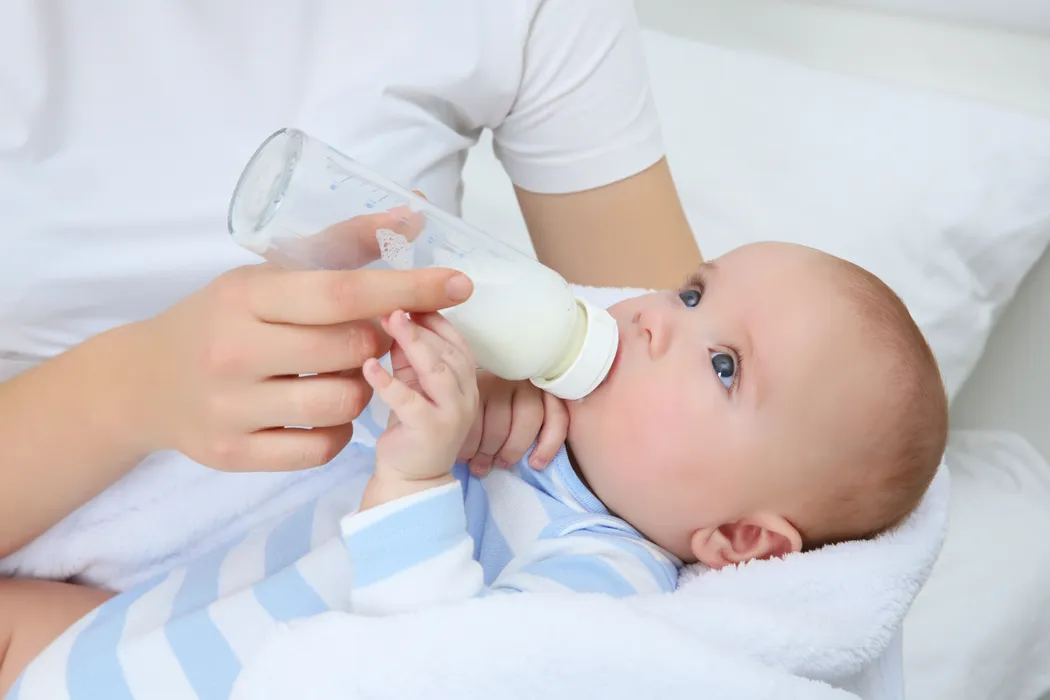
Paced bottle feeding helps mimic the natural rhythm of breastfeeding. This technique helps:
- Prevent overfeeding
- Reduce swallowed air
- Lower the risk of spit-up
- Support comfortable digestion
To do this:
- Hold your baby semi-upright
- Keep the bottle horizontal
- Allow short pauses during feeding
This gives your baby better control over milk intake.


How to Choose the Best Feeding Bottle for a Newborn?
Bottle choice depends on material, nipple design, venting system, and ease of cleaning.
1. Glass Feeding Bottles
Glass bottles remain a preferred choice for many parents.
Benefits:
- Free from plastic chemicals
- Easy to sterilise
- Does not retain odour
- Durable under repeated heating
Many modern glass bottles come with silicone sleeves for grip and protection.
2. BPA-Free Plastic Bottles
Plastic bottles are lightweight and practical for daily use.
Benefits:
- Easy to carry
- Less breakable
- Affordable
Choose bottles clearly labelled BPA-free. Replace them if they become scratched or cloudy.
3. Stainless Steel Feeding Bottles
Stainless steel feeding bottles are becoming increasingly popular.
Benefits:
- Strong and durable
- Chemical-free
- Keeps milk temperature stable longer
They are often chosen for long-term durability.
4. Silicone Feeding Bottles
Food-grade silicone bottles are soft and flexible.
- Benefits:
- Lightweight
- Easy to hold
- Soft feel similar to breast texture
These can be useful for babies adjusting between breast and bottle.
Important Bottle Features to Look For
Beyond bottle material, design details matter.
Slow-Flow Nipple
Newborns should always begin with a slow-flow nipple. A slow-flow nipple helps the following:
- Prevent choking
- Reduce gulping
- Improve sucking control
Anti-Colic Vent System
Anti-colic bottles reduce air intake during feeding.
This helps lower:
- Gas
- Burping
- Fussiness
- Colic symptoms
Wide Neck Design
Wide-neck bottles are easier to clean and often support easier latching.
Easy Cleaning
Bottles with fewer parts are easier to wash thoroughly.
Popular Feeding Bottle Choices for Newborns
Popular Feeding Bottle Choices for Newborns
Some bottle brands are widely preferred because of consistent feeding comfort.
Philips Avent Natural Bottle
This bottle is commonly chosen for breast-to-bottle transition.
Benefits:
- Wide breast-shaped nipple
- Built-in anti-colic valve
- Easy cleaning
Luvlap Slim Neck Feeding Plain Bottle
This bottle is a simple and affordable feeding option designed for everyday use.
Benefits:
- Slim neck design for easy grip and handling
- Lightweight and travel-friendly
- Durable, BPA-free material
- Easy to clean and maintain
Bottle Starter Sets
A bottle set is often useful for new parents.
Starter kits usually include:
- Multiple small bottles
- Different nipple stages
- Cleaning brush
This helps during the first few months.
Safe Cleaning and Sterilising Tips
A newborn’s immune system is still developing, so bottle hygiene is essential.
Follow these steps:
- Rinse bottles immediately after use
- Separate all bottle parts before washing
- Wash with hot soapy water
- Sterilise daily for newborns
- Air dry fully before reuse
For babies under 3 months, sterilisation is especially important.
Formula Preparation Safety
If using formula such as NAN PRO, always:
- Follow exact mixing instructions
- Use boiled cooled water
- Prepare fresh feeds safely
Incorrect formula preparation can affect nutrition and digestion.
Do Newborns Need a Water Bottle?
No. Babies under six months should not be given plain water.
According to infant feeding guidance:
- Milk provides complete hydration
- Water can interfere with nutrition
- Excess water may be unsafe in newborns
Water is only introduced later once solids begin, usually after six months.
When to Consult a Paediatrician?
Seek medical advice if your baby:
- Refuses feeds repeatedly
- Vomits often
- Shows poor weight gain
- Seems uncomfortable after feeds
- Has severe gas regularly
Sometimes bottle design or nipple flow needs adjustment.
Conclusion
Choosing the right feeding bottle can improve feeding comfort, digestion, and daily care for your newborn. For most babies, a bottle with a slow-flow nipple, anti-colic vent, and easy cleaning design works best. The ideal bottle is the one your baby accepts comfortably and that supports smooth feeding every day.


FAQS
FAQS
Which feeding bottle is best for preventing colic?
Anti-colic bottles with vent systems are usually best for reducing swallowed air. So these bottles are the best for preventing colic.
How many bottles does a newborn need?
Babies who are fully bottle-fed often need 8 to 10 bottles.
Is glass better than plastic for newborn bottles?
Both are safe when high quality, but glass avoids plastic wear over time.
When should bottle nipples be replaced?
Bottle nipples should usually be replaced every 2 to 3 months.
Can newborn milk be warmed in the microwave?
No. Milk should never be microwaved because uneven heating can burn the baby’s mouth.


