Babies are known for having incredibly soft, flawless skin, but their skin is actually much thinner and more delicate than adult skin. Because a baby’s natural skin barrier is still developing during their first year of life, it loses moisture rapidly. This makes them highly susceptible to dryness, flaking, and irritation. Finding the right moisturiser for baby's dry skin is essential for keeping your little one comfortable, happy, and free from itchy patches. Whether you are dealing with harsh winter winds, the drying aftermath of a warm bath, or mild eczema, taking a proactive approach to your infant's skincare is vital. In this comprehensive guide, we will explore why babies get dry skin, what ingredients to look for, and how to find the perfect creams and natural remedies to protect your baby's delicate skin barrier.
Best Moisturiser for Babies' Dry Skin: Creams & Remedies
Find the best moisturiser for baby dry skin with expert tips, safe ingredients, top creams, and natural remedies to keep your baby’s delicate skin soft, hydrated, and irritation-free.
Dr. Nallapu Siri


Why Do Babies Get Dry Skin?
Before you start shopping for a baby's dry skin moisturiser, it is helpful to understand the root causes of the flaking and redness. Because infants have a thinner stratum corneum (the outermost layer of the skin), they cannot retain water as effectively as adults.
Common culprits of infant dry skin include:
- Frequent or Long Baths: Soaking in hot water for too long strips away the skin's natural, protective oils.
- Weather and Environment: Cold, dry winter air, as well as indoor heating and summer air conditioning, can quickly zap moisture from the skin.
- Harsh Soaps and Detergents: Fragranced baby washes, antibacterial soaps, and strong laundry detergents can easily irritate a compromised skin barrier.
- Genetics and Eczema: Some babies are naturally prone to atopic dermatitis (eczema), a condition characterised by extremely dry, red, and intensely itchy patches of skin.
- Drool and Friction: Constant drooling during the teething phase can cause localised dryness and chapping, especially around the mouth, chin, and neck.
How to Choose the Best Moisturizer for Baby Dry Skin?
Walking down the baby care aisle can feel overwhelming. With so many colorful bottles claiming to be the perfect solution, how do you find the best cream for baby dry skin? Pediatric dermatologists recommend keeping it simple. You want a product that hydrates, repairs, and protects without introducing unnecessary chemicals.
Ingredients to Look For:
When reading labels, look for products containing these deeply hydrating and barrier-repairing ingredients:
- Ceramides: These are lipids (fats) that act like the "mortar" between the "bricks" of your baby’s skin cells, helping to rebuild the protective barrier.
- Petrolatum (Petroleum Jelly): An occlusive ingredient that acts as a physical shield, locking water into the skin.
- Colloidal Oatmeal: Finely milled oats that naturally soothe irritated, itchy, and inflamed skin.
- Hyaluronic Acid: A humectant that draws water from the environment into the skin.
Plant-Based Butters: Shea butter and cocoa butter provide rich, natural emollients that soften dry patches.
Ingredients to Avoid
To prevent further irritation, avoid products that contain:
- Artificial Fragrances and Perfumes: These are the leading cause of allergic contact dermatitis in babies. Always opt for "fragrance-free" rather than "unscented" (which can still contain masking chemicals).
Harsh Preservatives: Avoid parabens, phthalates, and formaldehyde-releasing agents.
Alcohols: Certain alcohols (like SD alcohol or denatured alcohol) can be extremely drying.Ointments vs. Creams vs. Lotions
Understanding the difference between formulations will help you choose the right baby moisturizer cream for dry skin.
- Ointments: Containing the highest oil content (often petrolatum-based), ointments are the most effective at trapping moisture. They are ideal for severe dry patches, drool rashes, and overnight protection, though they can feel greasy.
- Creams: Thicker than lotions, creams are an excellent middle ground. They contain a mix of water and oil, absorbing well while still providing a strong protective layer. They are perfect for full-body daily maintenance.
- Lotions: Lotions have the highest water content. Because they evaporate quickly, they are generally too lightweight to treat actively dry skin and are better suited for normal summer skincare.
Top Recommendations for the Dry Skin Best Baby Moisturiser Cream
Because every infant is unique, finding the best baby moisturiser cream for dry skin often requires a bit of trial and error. However, medical experts and parents alike lean toward a few specific types of products.
1. Body Creams for All-Over Hydration
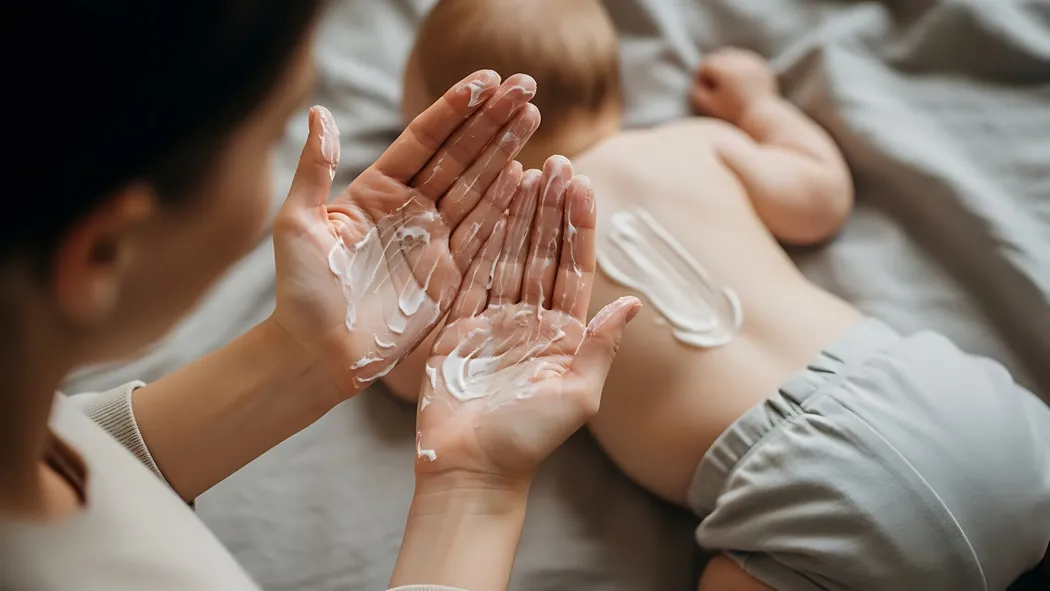
For a standard post-bath application, you want a thick, nourishing cream for baby's dry skin that comes in a tub or a pump bottle. Creams that feature a rich blend of ceramides and colloidal oatmeal are highly recommended. Apply these generously to the arms, legs, and torso to keep flakiness at bay.
2. Gentle Options for the Face
A baby’s face is constantly exposed to the elements, food, and drool. Because facial skin is extra sensitive, you need a specialised face cream for baby's dry skin. Look for non-comedogenic (won't clog pores) formulas. For targeted dry spots on the cheeks, a solid moisturising balm stick or pure petroleum jelly can act as an excellent physical barrier against cold wind and moisture loss.
3. Popular Herbal and Over-the-Counter Choices
Many parents prefer to go the natural or herbal route when dealing with mild dryness. For instance, using a branded baby moisturiser for dry skin is a popular, budget-friendly choice that relies on ingredients like olive oil, almond oil, and aloe vera to soothe and soften. Whenever you choose a botanically based product, just be sure to do a small patch test first to ensure your baby doesn't have an allergy to the plant extracts.
Natural Remedies and Daily Skin Care Tips
Applying a high-quality moisturiser for baby's dry skin is only half of the equation. Adjusting your baby’s daily routine can dramatically improve their skin's ability to retain hydration.
Here are the best expert-backed remedies and habits:
- The "Soak and Seal" Method: This is the most crucial step in baby skincare. Limit baths to 5–10 minutes using lukewarm (not hot) water. When bath time is over, gently pat the skin dry with a soft towel, leaving it slightly damp. Apply your thick moisturiser for baby's dry skin within three minutes of taking them out of the water. This traps the bathwater in the skin cells.
- Skip the Bubble Bath: Bubble baths contain surfactants that break down the skin barrier. Stick to mild, fragrance-free, soap-free cleansers, and only use them on visibly dirty areas or skin folds.
- Run a Cool-Mist Humidifier: Central heating and air conditioning strip the air of humidity. Running a humidifier in your baby’s nursery while they sleep adds moisture back into the air, preventing their skin from drying out overnight.
- Change Laundry Habits: Wash all of your baby’s clothing, bedding, and towels in a mild, hypoallergenic, fragrance-free laundry detergent. Skip liquid fabric softeners and dryer sheets, as they leave irritating chemical residues on fabrics.
- Dress in Breathable Layers: Stick to soft, 100% cotton clothing. Avoid scratchy synthetic materials or wool, which can cause micro-abrasions and trigger itchiness.
- Hydrate from the Inside Out: If your baby is over six months old and has started solids, ensure they are getting small amounts of water with their meals to stay internally hydrated.
When to See a Doctor?
In the vast majority of cases, a consistent routine with a reliable moisturiser for baby's dry skin will clear up rough patches within a week or two. However, sometimes dry skin is a symptom of a condition that requires medical attention.
Consult your paediatrician or a pediatric dermatologist if:
- The dry skin does not improve after a few weeks of consistent moisturising.
- You notice signs of infection, such as honey-colored crusts, oozing, pus, or extreme redness.
Your baby is incredibly irritable, scratching excessively, or having trouble sleeping due to the discomfort.
The skin is cracking and bleeding.
You suspect your baby has eczema. Eczema often presents as highly itchy, red, scaly patches on the cheeks, scalp, behind the knees, or in the creases of the elbows. Your doctor may need to prescribe a mild topical steroid to calm the inflammation.
Conclusion
Keeping your baby’s skin soft and healthy requires gentle care and the right moisturising routine. Because infant skin loses moisture quickly, choosing a safe and effective moisturiser for baby's dry skin is essential for maintaining hydration and preventing irritation. Thick creams or ointments with nourishing ingredients like ceramides, colloidal oatmeal, and natural butters can help strengthen the skin barrier and lock in moisture. Along with using the right baby moisturiser cream for dry skin, simple daily habits such as short lukewarm baths, the “soak and seal” method, fragrance-free products, and breathable cotton clothing can make a significant difference in preventing dryness. Natural remedies like coconut oil may also help soothe mild dryness when used carefully. Most cases of baby dry skin improve with consistent moisturising and gentle skincare. However, if dryness becomes severe, persistent, or is accompanied by redness, itching, or cracking, consulting a paediatrician is important to rule out conditions like eczema.
FAQS
FAQS
How often should I apply moisturiser to my baby’s dry skin?
For normal skin, moisturising once a day (immediately after a bath) is usually sufficient. However, if your baby is actively dealing with dry skin or eczema, you should apply a thick cream or ointment two to three times a day, especially during dry winter months.
Can I use pure coconut oil as a moisturiser for my baby?
Yes, pure, cold-pressed virgin coconut oil is a popular natural remedy. It is an excellent emollient and has mild antibacterial and anti-inflammatory properties. However, if your baby is prone to severe eczema or has a family history of tree nut allergies, speak to your paediatrician before applying it.
Why is my newborn's skin peeling so much?
It is entirely normal for a newborn’s skin to peel during their first few weeks of life. Babies are submerged in amniotic fluid for nine months; transitioning to the dry air of the outside world causes their outer layer of skin to shed. A gentle moisturiser can help, but this peeling is a natural process that resolves on its own.
Are lotions or creams better for baby's dry skin?
Creams and ointments are vastly superior to lotions when treating dry skin. Lotions have a high water content, which means they evaporate quickly and can actually pull natural moisture out of the skin as they dry. Creams and ointments provide a much thicker, more durable barrier.
How can I protect my baby's face from windburn and drool rash?
Before heading out into the cold, or before your teething baby takes a nap, apply a thick layer of a petroleum-based ointment or a rich barrier balm to their cheeks and chin. This acts as a physical shield, stopping wind and saliva from breaking down the skin.


