0

In this article

  • Introduction
  • What is Cradle Cap?
  • Finding the Best Oil for Cradle Cap
  • How to Use Cradle Cap Oil Effectively?
  • Other Effective Cradle Cap Home Remedies
  • Alternate Cradle Cap Treatment Options
  • Conclusion

Best Oil for Cradle Cap: Coconut, Olive & More

Discover the best oil for cradle cap in babies, including coconut oil, mineral oil, and jojoba oil. Learn safe ways to soften flakes and treat cradle cap at home

article image

Apollo Pharmacy

Introduction

Bringing a new baby home is a wonderful experience, but it also comes with a lot of surprises. One day, you are admiring your newborn’s perfectly soft skin, and the next, you notice thick, yellow, greasy scales forming on their scalp. If this sounds familiar, take a deep breath. Your baby likely has infantile seborrheic dermatitis, commonly known as cradle cap. Cradle cap is entirely harmless. It is not itchy, it is not contagious, and it is certainly not a sign of poor hygiene. However, those stubborn, flaky patches can be unsightly, and it is completely natural for parents to want to gently remove them. Many parents turn to natural remedies to loosen these scales, leading to one very common question: what is the *best oil for cradle cap? In this comprehensive guide, we will explore the safest and most effective natural oils, step-by-step application methods, and when it might be time to seek medical advice.
 

What is Cradle Cap?

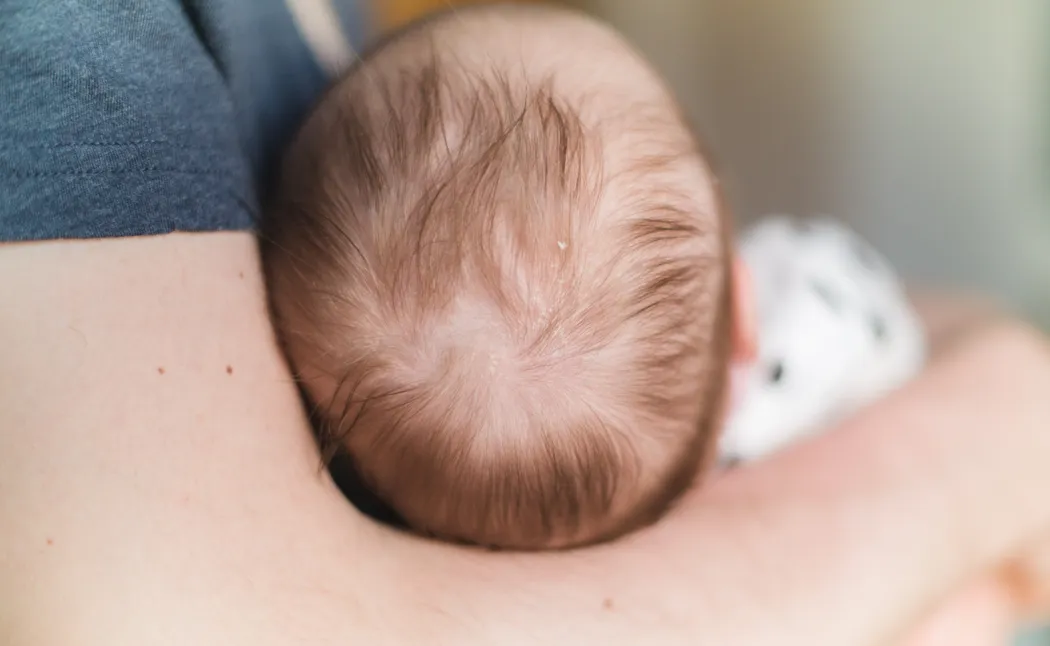
Before we can identify the best oil for cradle cap, it is helpful to understand what is happening on your baby’s head. Cradle cap presents as crusty, oily, or scaly patches on a baby's scalp. It can also sometimes appear on the eyebrows, ears, or diaper area.
While the exact cause is not definitively known, medical experts attribute cradle cap to two main factors:

1. Maternal Hormones: The hormones passed from the mother to the baby before birth can cause the baby's oil glands (sebum glands) to become overactive, producing excess oil.

2. Malassezia Yeast: A naturally occurring yeast called Malassezia grows in the sebum along with bacteria, which can lead to a mild inflammatory response and the buildup of skin cells.

Because cradle cap is closely tied to excess oil production, treating it requires a careful balance. You want to use a cradle cap oil to soften the crusts, but you must also wash it away properly so it does not worsen the condition.
 

Finding the Best Oil for Cradle Cap

When browsing the baby care aisle or looking through your pantry, you will find several different oils. Here is a breakdown of the most popular options to help you choose the best oil for cradle cap for your little one.

1. Coconut Oil

If you ask most parents and holistic paediatricians, they will tell you that coconut oil for cradle cap is a top-tier choice. Extra-virgin, cold-pressed coconut oil is rich in lauric acid and medium-chain fatty acids.

Why does it work?

Coconut oil is a fantastic emollient, meaning it easily softens and lifts the thick, crusty scales from the scalp. Additionally, coconut oil has mild natural antibacterial and antifungal properties. Because cradle cap is associated with an overgrowth of yeast, these antifungal properties make coconut oil an excellent, soothing choice for your baby's delicate skin.

2. Mineral Oil or Baby Oil

Traditional baby oil is essentially pure mineral oil with added fragrance. If you want to avoid fragrances (which can sometimes irritate sensitive newborn skin), you can purchase 100% pure mineral oil.

Why does it work?

Mineral oil is highly effective at locking in moisture and softening hardened skin cells. It sits on top of the skin rather than absorbing deeply, making it a very safe and chemically inert option to loosen cradle cap scales before a bath.

3. Olive Oil(Caution required)

For generations, olive oil has been a go-to remedy for dry skin. However, modern dermatologists often issue a warning regarding its use on infant scalps.

Why be careful?

Olive oil is high in oleic acid. The Malassezia yeast that contributes to cradle cap actually feeds on oleic acid. While olive oil will physically soften the scales, leaving it on the scalp could inadvertently feed the yeast, making the cradle cap worse in the long run. If 
you choose to use olive oil, it is absolutely critical to wash it out completely with shampoo immediately after loosening the scales.

4. Jojoba Oil

Jojoba oil is another excellent contender for the best oil for cradle cap. Scientifically speaking, jojoba oil is actually a liquid wax that closely mimics the natural sebum produced by human skin.

Why does it work?

Because it mimics natural skin oils, jojoba oil is easily recognised and well-tolerated by a baby’s skin. It softens flakes effectively without clogging pores and is generally hypoallergenic.
 

How to Use Cradle Cap Oil Effectively?

Choosing the right oil is only half the battle. The technique you use to apply and remove it is what truly makes the difference. Follow these simple steps for a safe, gentle, and effective baby cradle cap treatment at home.

Step 1: Apply the Oil

Take a small amount (about a teaspoon) of your chosen oil, such as coconut or mineral oil and rub it between your clean palms to warm it. Gently massage the oil into the scaly patches on your baby’s scalp. Do not press hard; a light touch is all that is needed.

Step 2: Let it Soak

Allow the oil to sit on the scalp for 10 to 15 minutes. This soaking period is crucial because it gives the oil time to penetrate the crusts and soften the hardened sebum.

Step 3: Loosen the Scales

Once the scales are soft, use a soft-bristled baby brush, a specialised silicone cradle cap brush, or a fine-toothed baby comb to gently stroke the scalp. Always brush in one direction and never pick, scratch, or force the scales off. If a flake is not ready to come off, leave it alone to prevent irritating the skin or causing an infection.

Step 4: Wash the Scalp Thoroughly

This is the most important step! You must wash the oil out completely. Use a mild baby shampoo and warm water to cleanse the scalp. If oil is left behind, it can clog the baby’s pores and trap more dead skin cells, making the cradle cap return thicker than before.
 

Other Effective Cradle Cap Home Remedies

Aside from using oils, there are a few other cradle cap home remedies you can incorporate into your baby's routine to manage and prevent future flare-ups:

1. Frequent Shampooing

Washing your baby's hair every day or every other day with a tear-free baby shampoo can help prevent the buildup of dead skin and oil.

2. Humidifiers

Dry air can trigger skin irritation and cause the scalp to overproduce oil. Placing a cool-mist humidifier in your baby's nursery can help keep their skin balanced.

3. Gentle Brushing

Even on days when you do not use oil, gently brushing your baby's hair with a soft brush can help sweep away everyday skin shedding before it has a chance to turn into thick scales.
 

Alternate Cradle Cap Treatment Options

In most cases, cradle cap clears up on its own within a few weeks to a few months using simple home remedies. However, if your baby's cradle cap is severe, spreading to their face or body, looking red and angry, or weeping fluid, it is time to consult a paediatrician. 
When natural oils and frequent washing are not enough, a doctor can recommend the best cradle cap treatment based on medical science.

1. Medicated Antifungal Shampoo

For stubborn cases, your paediatrician may suggest a medicated antifungal shampoo. A commonly prescribed option is a ketoconazole shampoo for baby cradle cap. Ketoconazole is an antifungal medication that directly targets the Malassezia yeast responsible for the inflammation. Doctors usually recommend using this medicated shampoo just a few times a week.

2. Mild Hydrocortisone Cream

In rare cases where the scalp is noticeably inflamed and red, a doctor might also prescribe a mild hydrocortisone cream to quickly reduce inflammation. Always consult your paediatrician before using medicated shampoos, adult dandruff shampoos, or steroid creams on an infant.
 

Conclusion

Seeing scales on your baby's head can be a nuisance, but treating it can be a gentle and bonding experience. When searching for the best oil for cradle cap, coconut oil, mineral oil, and jojoba oil stand out as the safest and most effective options. Remember that the key to success lies in softening the flakes, gently brushing them away, and most importantly, washing the oil out completely so the scalp can breathe. With a little patience and the right routine, your baby's scalp will be soft, smooth, and flake-free in no time.

FAQs

How to cure cradle cap in babies fast?

There is no overnight "cure" for cradle cap, as it is a natural condition related to infant hormones and yeast. However, you can clear it up rapidly by establishing a daily routine: massaging the scalp with the best oil for cradle cap (like coconut oil), letting it sit for 15 minutes, gently brushing the loosened flakes, and washing the oil out completely with baby shampoo.

Should I pick the scales off my baby's head?

No, you should never pick, scratch, or scrape cradle cap with your fingernails. Picking dry scales can cause pain, pull out your baby's hair, and create tiny open wounds on the scalp that are highly susceptible to bacterial infections. Always soften the scales with oil first and let them fall away gently with a soft brush.

Is olive oil or coconut oil better for cradle cap?

Coconut oil is generally considered better. While olive oil is a great moisturiser, it is high in oleic acid, which can feed the yeast that causes cradle cap. Coconut oil has natural antimicrobial properties and effectively softens flakes without promoting yeast overgrowth, making it a safer cradle cap oil.

When should I see a doctor for baby cradle cap treatment?

You should contact your paediatrician if the cradle cap spreads beyond the scalp (to the face, neck, or diaper area), if the skin under the flakes looks bright red and irritated, if the patches start weeping fluid, or if home remedies show no improvement after a few weeks.

Can cradle cap cause hair loss?

Cradle cap itself does not cause hair loss. However, if the thick scales are forcefully removed or picked at, the hair attached to those crusts may be pulled out. Fortunately, any hair lost alongside the cradle cap scales will grow back naturally once the scalp is healthy.

Apollo 247 Floating Action Button