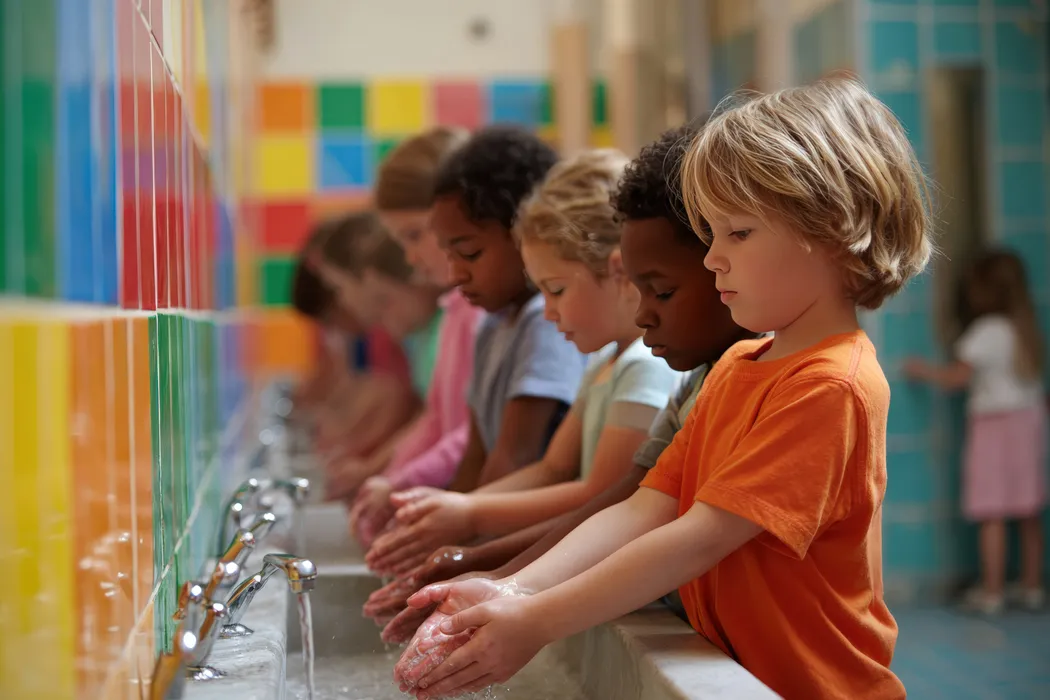
Maintaining proper hand hygiene is one of the simplest and most effective ways to prevent illness among children. In Indian schools, where students interact closely and share classroom materials, encouraging regular handwashing can significantly reduce the spread of infections. This guide highlights best practices that teachers, parents, and students can follow every day to keep school environments clean and safe. With easy-to-follow teaching methods, product tips, and healthy habits, every school can build a strong hygiene culture that supports learning and wellbeing.
Best Practices For Handwashing In Indian Schools
Simple, friendly guide for teachers, parents, and students on best handwashing practices in Indian schools. Learn teaching tips, hygiene rules, and buy safe soaps or sanitizers from apollopharmacy.in.
Apollo Pharmacy
In this article
- 1. Why Teach Handwashing?
- 2. Teaching Methods
- 3. Best Products
- 4. Common Mistakes
- 5. Healthy Habits
- Conclusion
1. Why Teach Handwashing?
1. Why Teach Handwashing?
- Teaching handwashing in Indian schools is vital because clean hands help reduce diarrhoeal and respiratory diseases, two of the most common illnesses affecting young children.
- By learning proper techniques early, students not only protect themselves but also safeguard their classmates, teachers, and families at home.
- Schools that introduce structured handwashing programs often see noticeable reductions in absenteeism and illness-related disruptions throughout the year.
- Developing good hand hygiene builds lifelong habits—students who learn these practices early are more likely to maintain them into adulthood.
- Handwashing promotes a sense of responsibility and self-care, showing children how small daily routines can contribute to overall health and community wellbeing.
- Teachers play a key role by modelling proper techniques and making hygiene a natural part of classroom activities.
- When handwashing becomes part of school culture, it fosters confidence, discipline, and awareness of public health importance among students.
2. Teaching Methods
2. Teaching Methods
- Demonstrate each handwashing step slowly so children can observe and repeat—wetting hands, applying soap, rubbing palms, backs, fingers, and nails thoroughly.
- Introduce short songs or rhymes lasting about twenty seconds to make washing fun and help children time the process correctly.
- Encourage “feel checks” so students notice the difference between soapy, clean hands and those that still feel greasy or dusty.
- Turn handwashing into group activities or classroom competitions—such as “Clean Hands Champions”—to reinforce participation and excitement.
- Place colourful posters near sinks, classrooms, and canteens showing handwashing steps in pictures to help visual learners remember.
- Train older students or prefects as hygiene monitors who remind their peers to wash hands before meals and after using the toilet.
- Integrate short lessons about germs, disease prevention, and cleanliness into health education or science classes to explain why handwashing matters.
- Encourage students to share what they’ve learned with their families, creating a ripple effect that improves hygiene both at school and at home.


3. Best Products
3. Best Products
- Select gentle liquid soaps or mild antibacterial bar soaps suitable for daily use by children; harsh products may dry or irritate young skin.
- When running water is limited, use alcohol-based sanitisers containing at least 60% alcohol to kill most germs effectively.
- Schools can order trusted handwash and sanitisers in bulk from apollopharmacy.in, which offers verified products suitable for educational institutions.
- Look for fragrance-free or hypoallergenic formulas that reduce irritation, especially for younger students or those with sensitive skin.
- Refill dispensers regularly to ensure soap and sanitizer are always available near washbasins and dining areas.
- Keep extra stock of soap bars, refills, and sanitizers in the school’s first-aid cabinet for emergencies or shortages.
- Encourage teachers to carry small sanitizers for field trips or outdoor activities where washing facilities might not be available.
- Choose eco-friendly packaging when possible, supporting sustainability along with hygiene.
4. Common Mistakes
4. Common Mistakes
- Many children rush through washing without rubbing thoroughly, leaving germs on palms and fingertips. Emphasize that proper cleaning should last at least twenty seconds.
- Using too little soap or skipping essential steps like scrubbing between fingers reduces the effectiveness of handwashing.
- Skipping handwashing after playing outdoors or before eating allows bacteria and viruses to spread quickly in classrooms.
- Placing hand sanitizers too far from toilets or classroom entrances discourages use; easy access increases compliance.
- Forgetting to dry hands completely leaves moisture that encourages bacteria growth—always promote drying with clean towels or air dryers.
- Ignoring regular maintenance, such as fixing leaking taps or restocking soap, disrupts consistent hygiene practices.
- Teachers should periodically review techniques with students to correct errors and refresh awareness.
- Ensuring supervision during early grades helps build precision and consistency until handwashing becomes second nature.
5. Healthy Habits
5. Healthy Habits
- Wash hands before and after eating, after using the toilet, after coughing or sneezing, and after touching shared surfaces.
- Make handwashing in Indian schools a standard morning routine—every student should start the day with clean hands.
- Encourage washing after playing in the playground, handling books, or engaging in art activities where hands may get dirty.
- Install child-friendly sinks at reachable heights so even young students can access water and soap comfortably.
- Provide step stools near basins if needed to help smaller children wash properly without assistance.
- Teachers and school staff should act as role models by washing their hands in front of students, reinforcing positive habits.
- Check soap and water supply regularly to ensure availability and avoid situations where students skip washing due to shortages.
- Incorporate hand hygiene reminders into school assemblies or morning announcements to keep awareness high.
- Celebrate Handwashing Day events to make the topic engaging and promote teamwork in maintaining a healthy environment.
- Work with parent-teacher associations to promote consistent hygiene both at home and school for complete protection.
Conclusion
Conclusion
Handwashing may seem like a small act, but in Indian schools, it plays a huge role in keeping children healthy, active, and ready to learn. Teaching students proper techniques, providing accessible facilities, and maintaining consistent routines can dramatically reduce illness and absenteeism. When teachers, parents, and students work together, hand hygiene becomes more than a rule—it becomes a habit of care and respect for oneself and others. Every clean hand counts toward building a safer, more hygienic learning environment for India’s future generations. For convenient access to trusted soaps, sanitizers, and handwashing essentials, visit apollopharmacy.in and explore school-safe options.


