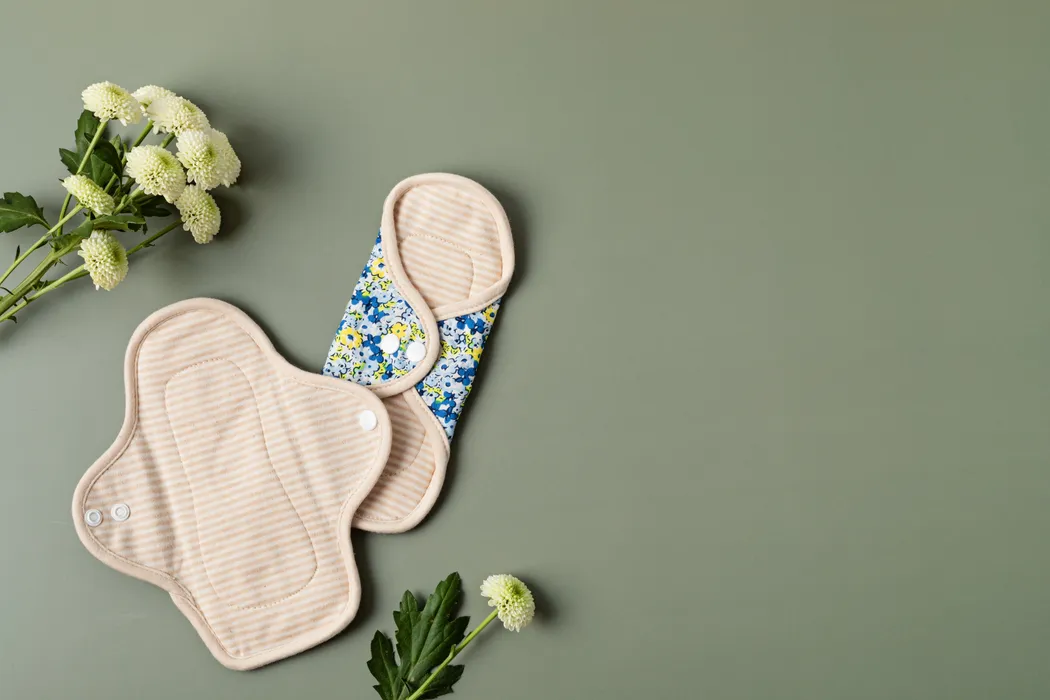
For women with sensitive skin, managing menstrual irritation is not just about switching products for a few days each month; it requires a preventive, skin-barrier–focused approach. Dermatologists increasingly emphasise long-term vulvar skin health, especially for women who experience recurring rashes, eczema flare-ups, or contact sensitivity during periods.
Strengthening the Skin Barrier
The skin barrier in the intimate area is naturally delicate and becomes more vulnerable during menstruation due to moisture, friction, and hormonal changes. To protect it:
- Avoid harsh soaps, antiseptics, or intimate washes with fragrance
- Use only gentle, pH-balanced cleansers if needed
- Consider barrier-supportive products (as advised by a dermatologist) during flare-prone days
A strong skin barrier reduces the likelihood of allergens penetrating and triggering inflammation.
Importance of Product Rotation
Using the same sanitary product continuously, even if labelled hypoallergenic, can sometimes contribute to irritation through repeated friction or pressure in the same areas.
Some dermatologists suggest:
- Alternating between pads and tampons (if suitable)
- Switching pad sizes between day and night
- Using lighter products when the flow allows
This approach reduces repetitive stress on the same skin zones.
Managing Sweat and Heat Build-Up
Excess heat and perspiration under sanitary products can worsen itching and redness, especially in humid climates or during physical activity. To minimise this:
- Choose breathable underwear made from cotton or bamboo fibres
- Change products more frequently during hot weather
- Avoid sitting for prolonged periods in damp clothing
Breathable, hypoallergenic menstrual products help, but lifestyle factors play an equally important role.
Night-Time Care Matters Too
Nighttime is often overlooked in irritation prevention. Wearing bulky products for long hours while sleeping can increase friction and moisture exposure.
Dermatologist-recommended practices include:
- Using overnight pads with breathable backing
- Wearing loose-fitting sleepwear
- Avoiding tight shorts or leggings at night during periods
These small adjustments can significantly reduce morning irritation.
Psychological Comfort and Skin Health
Stress and anxiety can worsen inflammatory skin conditions such as eczema and dermatitis. Women who feel uncomfortable or anxious about leaks, odour, or irritation may experience heightened skin sensitivity. Choosing reliable, sensitive sanitary pads women trust can reduce mental stress, which indirectly supports skin healing and resilience.
When Prevention Becomes Treatment?
If irritation occurs despite preventive measures:
- Stop using the suspected trigger product immediately
- Keep the area clean and dry
- Avoid experimenting with multiple new products at once
Long-term comfort during periods comes from combining the right products with protective daily habits. Dermatologist-informed practices such as supporting the skin barrier, reducing friction, and managing moisture can dramatically reduce recurring irritation. When paired with carefully chosen hypoallergenic menstrual products, these strategies help women protect their intimate skin health not just during periods, but year-round.