0

Bilirubin Normal Range in Newborns: Chart & Levels

Learn the normal bilirubin range in newborns with easy-to-understand charts, causes of high levels, and when to worry. A complete guide for parents to manage newborn jaundice safely.

article image

Dr. Kamran

Bringing a new baby home is one of life’s greatest joys. However, the first few days can also bring a few health worries for new parents. One of the most common concerns is neonatal jaundice, a condition that causes a baby’s skin and eyes to take on a yellowish tint. If your pediatrician has mentioned this, you are likely searching for the *new born baby bilirubin normal range to understand what the numbers mean for your little one.

In this comprehensive, easy-to-understand guide, we will break down exactly what bilirubin is, provide a clear chart outlining the new born baby bilirubin normal range, and explain when you should seek medical treatment. Whether you are looking for the new born baby jaundice normal range or just want to know how to keep your baby healthy, this article will give you the reassuring facts you need.

Disclaimer: This article is for informational purposes only. Always consult your pediatrician for medical advice regarding your baby’s health.

What is Bilirubin and Why Does it Affect Newborns?

Bilirubin is a yellowish substance created when the body naturally breaks down old red blood cells. In older children and adults, the liver quickly processes bilirubin and removes it from the body through stool.

However, a newborn baby’s liver is still developing. Because it is immature, it cannot process bilirubin as quickly as it is produced. As a result, the new born baby bilirubin level rises, causing the skin and the whites of the eyes to turn yellow. This condition is medically known as jaundice. In many parts of South Asia, parents commonly refer to this condition as "piliya," leading many to search for the new born baby piliya normal range.

It is highly common for the bilirubin level in new born baby to be elevated. In fact, mild jaundice affects about 60% of full-term babies and up to 80% of premature babies. Understanding the jaundice normal range in new born baby helps parents know the difference between a normal, temporary yellowing and a situation that requires medical care.

The Complete Chart: New Born Baby Bilirubin Normal Range

Doctors look at a baby’s age in hours and days to determine if their levels are safe. Because bilirubin naturally peaks around the third to fifth day of life, the bilirubin normal range new born baby changes rapidly during the first week.

Below is a general reference chart for the new born baby total bilirubin normal range in healthy, full-term infants:

  • At Birth (Cord Blood): Less than 2.0 mg/dL
  • 24 Hours of Age: Less than 8.0 mg/dL
  • 48 Hours of Age: Less than 13.0 mg/dL
  • 72 Hours of Age (Day 3): Less than 16.0 mg/dL
  • Days 4 to 7: Between 13.0 mg/dL and 15.0 mg/dL (Levels usually begin to drop)
  • 1 to 2 Weeks Old: Less than 2.0 mg/dL (Returning to typical infant levels)

(Note: mg/dL stands for milligrams per deciliter, the standard measurement used in medical labs).

When reviewing the jaundice normal range for new born, it is important to remember that these numbers apply to full-term, healthy babies. If your baby was born prematurely or has a different blood type than the mother, the bilirubin normal value new born baby will be lower, and doctors will be more cautious.

Decoding the Numbers: What Do These Levels Mean?

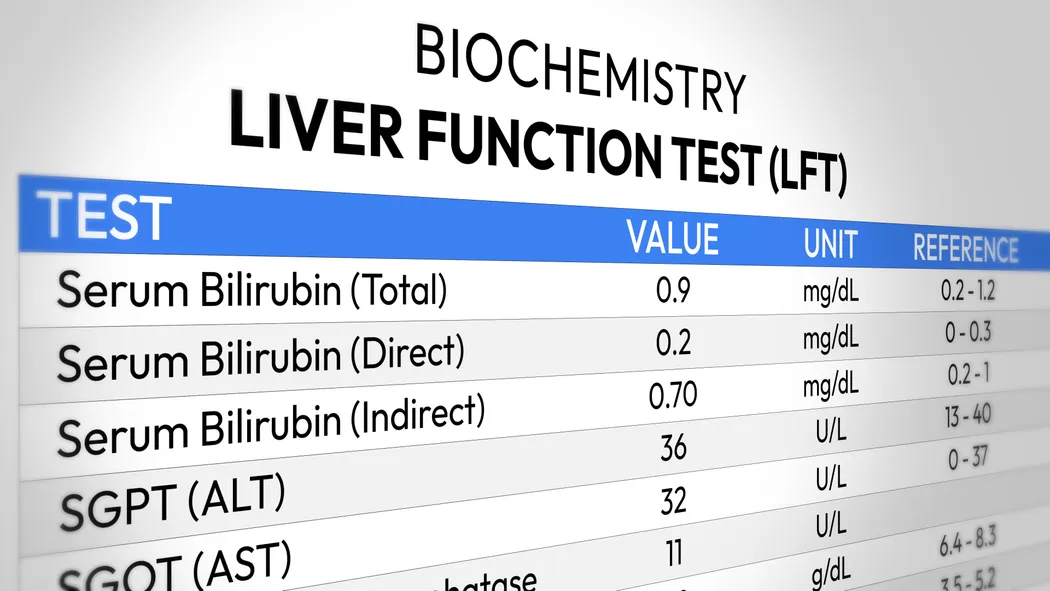
When you receive your baby's lab reports, you might see a few different terms. You might be wondering about the new born baby bilirubin normal value and how it breaks down.

1. Total Serum Bilirubin (TSB)

This is the most accurate measurement. When doctors refer to the serum bilirubin normal range for new born baby, they are looking at a blood test drawn from the baby’s heel. The serum bilirubin in new born baby gives an exact count of the yellow pigment in the blood.

2. Transcutaneous Bilirubin (TcB)

Instead of a needle, doctors often use a small, glowing device pressed gently against the baby’s forehead or chest. This checks the bilirubin levels for new born baby quickly and painlessly. If this number is high, the doctor will order a serum blood test to confirm the exact new born baby normal bilirubin level.

If your family is looking for the new born baby pilia range, be reassured that a doctor will look at the exact hours of your baby's life on a special graph (called a Bhutani Nomogram) to see if the normal range of bilirubin in new born baby has been exceeded.

When Does the Bilirubin Range Become Dangerous?

While slight elevations above the bilirubin normal value for new born baby are expected, very high levels can be dangerous. If the bilirubin level for new born baby rises too fast or stays high for too long, it can cross into the brain, causing a rare but serious condition called Kernicterus, which can lead to brain damage or hearing loss.

You should contact your paediatrician immediately if your baby exhibits any of the following warning signs, regardless of what you think the new born baby normal jaundice level might be:

  • The yellow coloring spreads quickly to the baby’s stomach, arms, or legs.
  • The whites of your baby’s eyes look deeply yellow.
  • Your baby is unusually sluggish, difficult to wake up, or deeply lethargic.
  • Your baby is not feeding well, whether from the breast or a bottle.
  • Your baby cries with a high-pitched, unusual sound.
  • Your baby arches their neck and back backward.

By monitoring the bilirubin range for new born baby, doctors ensure that levels never reach a dangerous point.

Common Treatments to Lower Bilirubin Levels

If your doctor determines that the bilirubin normal level for new born baby has been exceeded, they will recommend treatment. The goal of treatment is to bring the bilirubin range in new born baby back to safe, healthy levels.

1. Frequent Feeding

The simplest way to bring the bilirubin normal range for new born baby back into balance is through frequent feeding. Bilirubin is expelled from the body through a baby’s stool (poop). Feeding your baby breast milk or formula 8 to 12 times a day encourages more bowel movements, helping clear the jaundice faster.

2. Phototherapy (Light Therapy)

If the new born baby bilirubin normal range is exceeded significantly, doctors will use phototherapy. Your baby will be placed under special blue lights in a comfortable bassinet. These lights change the shape and structure of bilirubin molecules so the baby can easily pass them in their urine and stool.

3. Intravenous Immunoglobulin (IVIg)

If jaundice is caused by a blood type incompatibility between mother and baby, doctors may use IVIg to reduce the breakdown of red blood cells, thus lowering the bilirubin level in new born baby.

4. Exchange Transfusion

In incredibly rare cases where the new born bilirubin normal levels cannot be achieved through lights or feeding, an exchange transfusion may be required. This involves slowly removing the baby's blood and replacing it with donor blood to quickly flush out the bilirubin.

Conclusion

Welcoming a newborn is a massive milestone, and learning about health metrics like the new born baby bilirubin normal range empowers you to be the best advocate for your child. Remember that neonatal jaundice is incredibly common and highly treatable.

By keeping up with your scheduled paediatrician appointments in the first week of life, ensuring your baby is feeding frequently, and keeping an eye on their skin tone, you can safely navigate this brief phase. If you ever have doubts about the new born baby normal jaundice level, do not hesitate to contact your healthcare provider for a simple, painless bilirubin test.

FAQS

How long does it take for a newborn's bilirubin levels to become normal?

For most healthy, full-term babies, physiological jaundice peaks between days 3 and 5, and the new born baby bilirubin normal range is usually restored by the time the baby is 1 to 2 weeks old. Premature babies may take slightly longer, up to 3 weeks, to clear the jaundice entirely.

Can I put my baby in direct sunlight to cure jaundice?

While sunlight does help break down bilirubin, medical experts, including the American Academy of Paediatrics, do not recommend placing newborns in direct sunlight. A baby's skin is highly sensitive and can easily sunburn. If your baby's jaundice normal range for new born is high, safe phototherapy lights prescribed by a doctor are the best treatment.

What is breast milk jaundice, and is it normal?

Yes, it is normal. Sometimes, substances in a mother’s breast milk can prevent the liver from breaking down bilirubin quickly. This type of jaundice usually appears after the first week of life and can last for a few weeks. As long as the new born baby bilirubin normal value is monitored by a doctor and the baby is feeding and gaining weight, mothers are usually encouraged to continue breastfeeding.

What bilirubin level requires phototherapy?

The decision to start phototherapy depends on the baby's exact age in hours, their gestational age at birth, and their risk factors. Generally, for a healthy, full-term baby at 48 hours old, a total serum bilirubin level above 15 mg/dL will usually prompt phototherapy to quickly restore the normal range of bilirubin in new born baby.

Does high bilirubin always mean my baby has liver disease?

No. In the vast majority of cases, elevated newborn bilirubin is simply "physiological jaundice," meaning it is a completely normal, temporary part of transitioning to life outside the womb. It rarely indicates underlying liver disease. However, if jaundice persists beyond three weeks, doctors will test the serum bilirubin normal range for new born baby to rule out other medical issues.

Apollo 247 Floating Action Button