0

Blood Tests for Weight Loss: Metabolism Insights

Discover how blood tests help with weight loss by analysing metabolism, hormones, and deficiencies. Learn which tests to take for personalised and effective results.
 

article image

Dr. Abdul Kalam

Are you eating well, exercising regularly, and still struggling to see the numbers on the scale drop? Or perhaps you are shedding pounds rapidly without even trying, leaving you feeling worried and confused. Both situations can be incredibly frustrating. Fortunately, the answers you are looking for might be hidden right inside your own body.

Getting a blood test for weight loss is one of the most effective ways to understand how your unique metabolism functions. Often, stubborn weight gain or sudden weight loss is not a matter of willpower; it is a matter of hormones, nutrient levels, and metabolic health.

In this comprehensive guide, we will explore exactly how a simple blood draw can uncover hidden health issues, which specific markers you should be testing, and what your next steps should be once you have your results.
 

Why Your Weight Might Be Out of Your Control

For decades, we have been told that weight management is simply about "calories in versus calories out." While nutrition and physical activity are fundamental to health, modern medicine shows us that the human body is much more complex.

Your weight is heavily regulated by your endocrine system (your hormones), your thyroid gland, your blood sugar levels, and your body’s ability to absorb vital nutrients. If any of these systems are out of balance, your body may actively resist losing fat, or it might burn through fuel too quickly.

By taking a blood test for weight loss, you and your doctor can stop guessing and start looking at hard data. This allows you to create a personalised, science-backed plan to achieve a healthy weight.

Which Blood Test for Weight Loss Do You Need?

If you are wondering which blood test for weight loss is best for your situation, the answer depends on your specific symptoms. However, most doctors will start with a comprehensive metabolic and hormonal panel.

Here are the most common and important markers your doctor should check:

1. Thyroid Function Panel

Your thyroid is a small, butterfly-shaped gland in your neck that acts as your body’s metabolic thermostat. If it produces too little thyroid hormone (hypothyroidism), your metabolism slows down, making weight loss nearly impossible. To check this, your doctor will test:

  • TSH (Thyroid Stimulating Hormone): The primary marker for thyroid health.
  • Free T3 and Free T4: The active and inactive forms of your thyroid hormones.
  • Thyroid Antibodies: To rule out autoimmune conditions like Hashimoto’s disease.

2. Insulin and Blood Sugar (Glucose)

Insulin is a hormone that helps your body use sugar for energy. If your cells become resistant to insulin, your body has to pump out more of it. High insulin levels signal your body to store fat, especially around your belly. A comprehensive weight loss blood test should always include:

  • Fasting Glucose: Your blood sugar levels after fasting.
  • Haemoglobin A1c (HbA1c): A three-month average of your blood sugar levels.
  • Fasting Insulin: To check for insulin resistance before it becomes type 2 diabetes.

3. Hormonal Imbalances

Hormones play a massive role in where and how we store fat. Women, in particular, may struggle with weight due to conditions like Polycystic Ovary Syndrome (PCOS) or menopause. Asking your doctor for a female weight loss panel blood test can help evaluate:

  • Estrogen and Progesterone: Imbalances can lead to water retention and fat storage.
  • Testosterone and DHEA: Elevated androgens in women can indicate PCOS, a leading cause of weight-loss resistance.
  • Cortisol: Known as the "stress hormone." Chronic stress leads to high cortisol, which heavily promotes abdominal fat storage.

4. Essential Vitamins and Minerals

Sometimes, your body lacks the raw materials it needs to burn fat efficiently. Deficiencies in certain nutrients can lead to fatigue, reducing your daily calorie burn. Key tests include:

  • Vitamin D: Low levels are strongly linked to obesity and poor metabolic health.
  • Vitamin B12: Essential for energy production.
  • Iron/Ferritin: Low iron can cause anaemia, leading to severe fatigue and an inability to exercise.
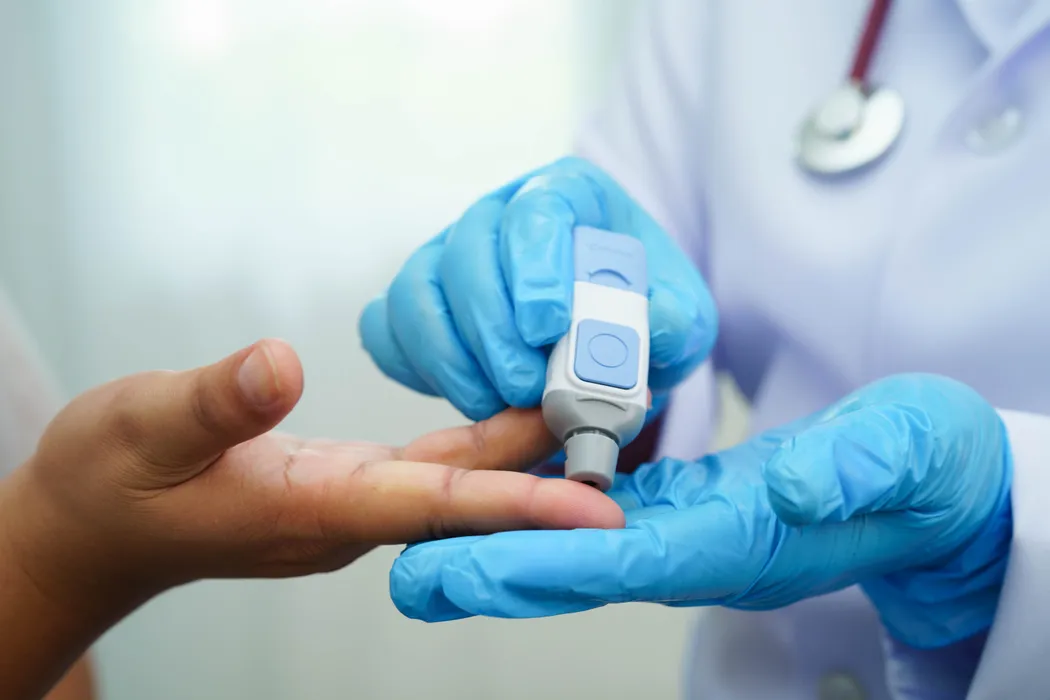
     

What Blood Test for Weight Loss Do I Need for Sudden Weight Drop?

While many people struggle to lose weight, shedding pounds without trying is a major medical red flag. If you have lost 5% or more of your body weight in less than six to twelve months without changes to your diet or exercise routine, you need to see a doctor.

If this happens to you, your doctor will order a blood test for sudden weight loss. The goal here is to rule out serious underlying conditions. What blood test for weight loss is used in this scenario?

  • Complete Blood Count (CBC) and Comprehensive Metabolic Panel (CMP): To check liver and kidney function, as well as look for signs of infection or anemia.
  • Hyperthyroidism screening: An overactive thyroid speeds up the metabolism to dangerous levels.
  • Celiac Disease Panel: To ensure your intestines are actually absorbing the nutrients from the food you eat.
  • Inflammatory markers (CRP and ESR): To check for hidden inflammation, autoimmune diseases, or other serious health conditions.

Dealing with Unexplained Weight Loss, But Blood Tests Normal

It can be incredibly scary to notice the numbers on the scale rapidly dropping without a clear cause. If you are experiencing unexplained weight loss, but blood tests normal results come back from the lab, you might feel completely lost.

First, take a deep breath. Having normal blood work is a good thing - it rules out many severe metabolic and hormonal issues. However, when you have unexplained weight loss but blood tests normal, it means your doctor needs to look beyond standard lab work.

Other factors that can cause unintended weight loss that won't show up on a standard blood test include:

  • Severe Stress and Anxiety: Mental health struggles can heavily suppress your appetite and increase your heart rate, causing you to burn more calories without realising it.
  • Gastrointestinal Issues: Conditions like ulcers, bacterial overgrowth, or motility issues might require an endoscopy or colonoscopy to diagnose, rather than a blood test.
  • Medication Side Effects: Review all your current prescriptions and over-the-counter supplements with your doctor, as many cause appetite loss.
  • Neurological or Dental Issues: Sometimes, subtle changes in how food tastes, or pain while chewing, can cause people to eat far less than they realise.

If your standard tests are clear, your healthcare provider will likely recommend imaging tests (like an ultrasound or CT scan) or refer you to a specialist, such as a gastroenterologist, for further investigation.

How to Find a Blood Test for Weight Loss Near Me?

Taking control of your health is empowering. If you are ready to get tested, you might be typing "blood test for weight loss near me" into your search engine. Here is the safest and most effective way to go about it:

1. Start with Your Primary Care Doctor: This is always the best first step. Explain your symptoms - whether it is an inability to lose weight despite a calorie deficit, or unintended weight loss. Your doctor can order the exact tests you need, and health insurance often covers tests ordered for diagnostic purposes.
2. Visit a Specialised Weight Loss Clinic: Many medical weight loss clinics employ specialised endocrinologists or obesity medicine doctors. They routinely order extensive metabolic and hormonal panels.
3. Direct-to-Consumer Lab Testing: In many regions, you can order your own blood tests online through reputable companies (like Quest Diagnostics or Labcorp). You pay out-of-pocket, print a requisition form, and visit a local lab to have your blood drawn. While convenient, you should always share these results with a certified healthcare professional to help you interpret them safely.

Making Sense of Your Results

Once you complete your blood test for weight loss, you will receive a lab report filled with numbers, ranges, and medical terminology. It is highly recommended that you do not try to diagnose yourself using the internet.

A marker might be technically "in the normal range," but not in the "optimal range" for weight loss. For example, a "normal" TSH (thyroid) level is generally between 0.4 and 4.0 mIU/L. However, many endocrinologists note that patients struggle to lose weight until their TSH is optimised closer to 1.0 or 2.0 mIU/L. Only a trained healthcare professional can provide this kind of nuanced medical advice.

Conclusion

A blood test for weight loss can provide powerful insights into what is really happening inside your body. Instead of relying on guesswork, these tests help uncover hormonal imbalances, nutrient deficiencies, and metabolic issues that may be affecting your weight. Whether you are struggling to lose weight or experiencing sudden, unexplained changes, the right tests can guide you toward a more personalised and effective treatment plan.

Ultimately, sustainable weight management starts with understanding your body. By working closely with your doctor and interpreting your results correctly, you can take informed steps toward better health, improved metabolism, and long-term success.

FAQS

Does health insurance cover a blood test for weight loss?

Usually, yes, if the test is ordered by a doctor to investigate a specific medical symptom, such as fatigue, irregular periods, or unexplained weight changes. However, if you order a test yourself through a direct-to-consumer website simply out of curiosity, insurance typically will not cover it. Always check with your provider beforehand.

Do I need to fast before taking a weight loss blood test?

In most cases, yes. Tests that measure your fasting glucose, fasting insulin, and certain cholesterol markers require you to stop eating and drinking (except for water) for 8 to 12 hours before your blood draw. Your doctor or the lab will give you specific instructions prior to your appointment.

Will a blood test tell me exactly what diet I should follow?

A blood test will not tell you if you should be vegan, keto, or paleo. However, it will highlight underlying issues that can guide your dietary choices. For example, if your test reveals severe insulin resistance, your doctor will likely recommend a diet lower in refined carbohydrates and sugars to help manage your blood sugar.

What should I do if I have unexplained weight loss, but blood tests normal?

If you have unexplained weight loss but blood tests normal, you must continue working with your doctor. Do not ignore the symptom. Your doctor may refer you to a specialist for imaging tests (like an MRI or CT scan), digestive tract evaluations (like a colonoscopy), or mental health support if stress and anxiety are suppressing your appetite.

How often should I get my blood tested during my weight loss journey?

If your initial blood work shows an imbalance - such as a thyroid issue or a vitamin D deficiency - your doctor will likely prescribe medication or supplements. They will typically want to re-test your blood every 3 to 6 months to ensure the treatment is working and your levels are returning to normal.

Apollo 247 Floating Action Button