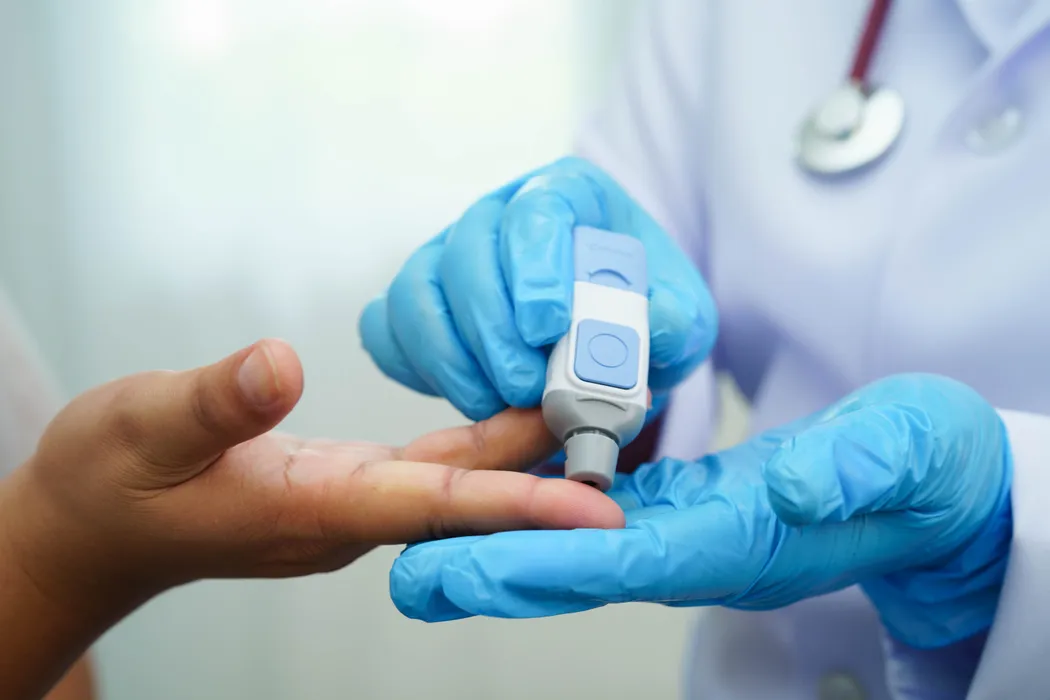
If you are wondering which blood test for weight loss is best for your situation, the answer depends on your specific symptoms. However, most doctors will start with a comprehensive metabolic and hormonal panel.
Here are the most common and important markers your doctor should check:
1. Thyroid Function Panel
Your thyroid is a small, butterfly-shaped gland in your neck that acts as your body’s metabolic thermostat. If it produces too little thyroid hormone (hypothyroidism), your metabolism slows down, making weight loss nearly impossible. To check this, your doctor will test:
- TSH (Thyroid Stimulating Hormone): The primary marker for thyroid health.
- Free T3 and Free T4: The active and inactive forms of your thyroid hormones.
- Thyroid Antibodies: To rule out autoimmune conditions like Hashimoto’s disease.
2. Insulin and Blood Sugar (Glucose)
Insulin is a hormone that helps your body use sugar for energy. If your cells become resistant to insulin, your body has to pump out more of it. High insulin levels signal your body to store fat, especially around your belly. A comprehensive weight loss blood test should always include:
- Fasting Glucose: Your blood sugar levels after fasting.
- Haemoglobin A1c (HbA1c): A three-month average of your blood sugar levels.
- Fasting Insulin: To check for insulin resistance before it becomes type 2 diabetes.
3. Hormonal Imbalances
Hormones play a massive role in where and how we store fat. Women, in particular, may struggle with weight due to conditions like Polycystic Ovary Syndrome (PCOS) or menopause. Asking your doctor for a female weight loss panel blood test can help evaluate:
- Estrogen and Progesterone: Imbalances can lead to water retention and fat storage.
- Testosterone and DHEA: Elevated androgens in women can indicate PCOS, a leading cause of weight-loss resistance.
- Cortisol: Known as the "stress hormone." Chronic stress leads to high cortisol, which heavily promotes abdominal fat storage.
4. Essential Vitamins and Minerals
Sometimes, your body lacks the raw materials it needs to burn fat efficiently. Deficiencies in certain nutrients can lead to fatigue, reducing your daily calorie burn. Key tests include:
- Vitamin D: Low levels are strongly linked to obesity and poor metabolic health.
- Vitamin B12: Essential for energy production.
- Iron/Ferritin: Low iron can cause anaemia, leading to severe fatigue and an inability to exercise.