0

Candid Powder for Diaper Rash: Uses & Precautions

Learn how Candid powder helps treat fungal diaper rash in babies, including uses, safe application steps, precautions, side effects, and when to consult a paediatrician.
 

article image

Dr. Yusuf

Introductions

Seeing your little one uncomfortable or crying during a diaper change is one of the toughest parts of parenting. Diaper rashes are an incredibly common part of a baby’s life, often caused by friction, wetness, or sensitive skin. However, when a standard rash doesn't improve with regular diaper creams and frequent changes, it might be a fungal infection. In these cases, many paediatricians recommend antifungal treatments. If you are considering *candid powder for diaper rash, you are not alone. Many parents turn to this medicated powder to help soothe their baby’s skin and clear up stubborn yeast-based rashes. But what exactly is it, how does it work, and is it safe for your little one? In this comprehensive guide, we will explore everything you need to know about using candid powder for diaper rash, including how to apply it safely, vital precautions to keep in mind, and tips for keeping your baby’s skin healthy, dry, and rash-free.

What is Candid Powder?

Candid powder is a widely available, over-the-counter medicated dusting powder. Its active ingredient is Clotrimazole (usually 1% w/w). Clotrimazole belongs to a class of medications known as antifungals. While everyday baby powders (like cornstarch or talcum powder) are simply meant to absorb moisture and reduce friction, Candid powder contains active medicine designed to stop the growth of fungi. It works by damaging the cell wall of the fungus, effectively killing the infection and relieving symptoms like redness, itching, and burning. Because it is a medical treatment, it should not be used as a daily preventative baby powder. It is strictly meant for treating existing fungal infections.

Fungal vs. Regular Diaper Rashes: Knowing the Difference

Before reaching for a medicated treatment, it is important to know what kind of rash your baby has. A regular irritant diaper rash is very different from a fungal diaper rash.

Irritant Diaper Dermatitis

This is the most common type of diaper rash. It occurs when a baby’s sensitive skin is exposed to wet or soiled diapers for too long, or when the diaper rubs against the skin.

Appearance: Pink or red patches on the skin.

Location: Usually on the convex surfaces of the buttocks, thighs, and lower abdomen. It typically spares the skin folds (the creases).

Treatment: Frequent diaper changes, gentle cleaning, and barrier creams containing zinc oxide or petroleum jelly.

Fungal Diaper Rash (Yeast Infection)

Fungi, specifically a type of yeast called Candida albicans, thrive in warm, dark, and moist environments, making a wet diaper the perfect breeding ground. A fungal rash often develops if a regular diaper rash is left untreated or if the baby has recently taken 
antibiotics (which can disrupt the body's natural balance of good bacteria).

Appearance: Deep, beefy-red patches with slightly raised borders. You will often see "satellite lesions," which are smaller red bumps scattered outside the main rash area.

Location: Unlike an irritant rash, a fungal rash almost always settles deeply into the skin folds and creases of the groin and thighs.

Treatment: Antifungal medications, such as clotrimazole.

Can I Use Candid Powder for Diaper Rash?

A very common question parents ask their doctors is: "Can I use candid powder for diaper rash safely on my newborn or infant?" The short answer is yes, you can use it, but only if the rash is confirmed to be a fungal infection and ideally under the guidance of your 
pediatrician. If you apply an antifungal powder to a standard irritant rash, it will not help and could potentially irritate the raw skin further. Furthermore, medical professionals generally urge parents to be incredibly cautious when using any type of powder around infants.

Babies have delicate respiratory systems, and inhaling airborne powder particles can cause lung damage or breathing difficulties. Because of this, many pediatricians prefer prescribing antifungal creams (like clotrimazole cream) rather than powders. However, if your doctor has specifically recommended an antifungal powder to help keep a severely weeping rash dry while treating the fungus, it must be applied with strict precautions.

How to Apply Candid Powder for Baby Diaper Rash Safely?

If your pediatrician has recommended candid powder for baby diaper rash, proper application is key to ensuring it works effectively while keeping your baby safe. Follow these step-by-step instructions:

Step-by-Step Application

  1. Wash Your Hands: Always start by washing your hands thoroughly with soap and water to avoid introducing new bacteria to your baby’s raw skin.
  2. Clean the Diaper Area: Gently clean the affected area using warm water and a soft cloth, or a fragrance-free, alcohol-free baby wipe. Avoid rubbing the skin, as this can cause further pain and irritation.
  3. Dry Completely: Fungi love moisture! Before applying any medication, allow the diaper area to air dry completely. You can also gently pat the skin dry with a soft towel.
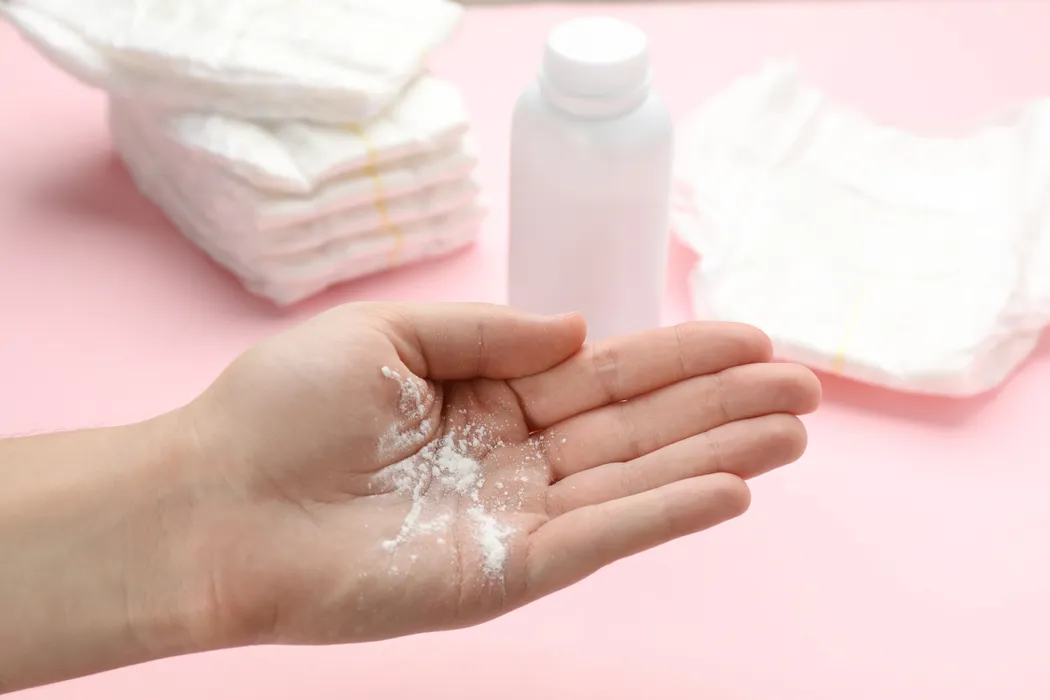
  4. Apply the Powder Safely: Never shake the powder directly onto your baby’s body. Instead, step away from your baby, dispense a small amount of the powder into your hands, and rub your hands together gently. Then, step back to your baby and carefully dab the powder onto the affected areas, specifically targeting the skin folds.
  5. Use a Fresh Diaper: Put a clean, dry diaper on your baby. Fasten it loosely to allow for some air circulation.
  6. Wash Your Hands Again: Clean your hands to remove any remaining medication.
Load more products

Precautions and Potential Side Effects

While candid powder for diaper rash is highly effective against yeast, parents must keep several safety precautions in mind:

  1. Avoid Inhalation: As mentioned, the biggest risk with any powder is inhalation. Keep the container far away from your baby's face, and clean up any spilled powder immediately.
  2. Do Not Use as a Preventative: This is a medication, not a daily cosmetic powder. Once the fungal rash has completely cleared up (usually within 7 to 14 days), stop using the powder.
  3. Watch for Allergic Reactions: Though rare, some babies may be allergic to clotrimazole or other ingredients in the powder. If you notice increased redness, swelling, hives, or blistering after application, stop using it immediately and contact your doctor.
  4. Do Not Mix with Other Creams Untested: Unless advised by your doctor, avoid slathering a thick barrier cream directly over the powder, as it may trap moisture or alter how the medication absorbs.

Tips to Prevent Future Fungal Diaper Rashes

Once you have successfully treated the rash, the goal is to keep it from coming back. Here are a few pediatrician-approved tips to keep your baby's skin healthy:

  1. Change Diapers Frequently: Do not leave your baby in a wet or soiled diaper for long periods. Prompt changes are the best defense against both irritant and fungal rashes.
  2. Allow for Diaper-Free Time: Let your baby go without a diaper for 10–15 minutes a few times a day. Lay them on a waterproof mat and let the air naturally dry their skin.
  3. Use Gentle Products: Avoid baby wipes that contain alcohol or strong fragrances, which can strip the skin of its natural protective barrier.
  4. Apply a Barrier Cream: For everyday protection, use a generous layer of zinc oxide or petroleum jelly to create a shield between your baby’s skin and the moisture in their diaper.

When to See a Doctor?

While using candid powder for diaper rash can resolve most mild to moderate fungal infections, some situations require professional medical attention. Call your pediatrician if:

  1. The rash does not start to improve after 3 to 4 days of antifungal treatment.
  2. The rash begins to spread to your baby’s abdomen, back, or arms.
  3. Your baby develops a fever.
  4. You notice open sores, blisters, pus, or bleeding in the diaper area.
  5. Your baby seems excessively unusually lethargic, or is in extreme pain when touched.
     

FAQs

How many times a day should I apply Candid powder?

Typically, doctors recommend applying the powder 2 to 3 times a day during diaper changes. However, you should always follow the exact dosage and frequency prescribed by your pediatrician.

Is Candid powder safe for newborns?

Candid powder should only be used on newborns if explicitly prescribed by a doctor. Newborn skin is exceptionally thin, delicate, and highly absorbent, so medical supervision is required for any medicated product.

Can I use Candid powder and a diaper cream at the same time?

Usually, it is best to use one or the other to allow the medication to work properly. If your doctor suggests using both, they will typically advise applying the antifungal treatment first, letting it absorb, and then applying a barrier cream.

What happens if my baby inhales the powder?

Inhaling powder can irritate a baby's lungs and cause breathing difficulties. If you accidentally spill powder near your baby's face and they begin coughing, wheezing, or struggling to breathe, seek emergency medical attention immediately.

Are there cream alternatives to Candid powder?

Yes! Because of the inhalation risks associated with powders, many doctors prefer prescribing Clotrimazole in cream or ointment form. The active ingredient is exactly the same, but it is much safer to apply around squirmy babies.

Apollo 247 Floating Action Button