Caring for individuals with special needs, limited mobility, or sensory sensitivities requires Specialised attention to health tools. Monitoring temperature accurately is critical, but traditional methods can often cause unnecessary struggle or distress. In India, finding a thermometer for special needs India that combines reliability with user comfort is essential for effective care. The goal is to obtain a quick and accurate reading without requiring long periods of stillness or painful insertion. This comprehensive guide provides caregivers, the elderly, and healthcare professionals with detailed information to select the absolute best thermometer for disabled India. Making the right choice empowers you to respond quickly and confidently during a fever.
Choosing the Right Thermometer for People with Special Needs
Find the ideal thermometer for special needs India. Learn essential features to select the best thermometer for disabled India and ensure accurate care.
Apollo Pharmacy
Understanding the Unique Measurement Challenges (Why Special Thermometers?)
Standard digital or glass thermometers were not designed to accommodate the wide range of physical and cognitive needs seen in vulnerable populations. Specialised devices exist to overcome these common hurdles.
- Managing Sensory Overload: Many people with autism or developmental challenges experience profound distress from physical touch or loud beeps. A non-contact thermometer for special needs India allows for minimal interaction, preserving calm.
- Dealing with Spasticity and Movement: Involuntary movements, tremors, or spasticity make securing an oral or axillary thermometer safely nearly impossible. This constant movement leads to inaccurate readings and potential injury.
- Bypassing Communication Barriers: If the individual cannot verbally communicate discomfort or cooperate with instructions, the testing method must be simple and unambiguous. The thermometer must give a clear result without relying on user interaction.
- Ensuring Caregiver Ease: Caregivers, who may also be older or managing their own mobility issues, need lightweight and simple devices. Complex procedures add unnecessary burden and increase the chance of error.
- Addressing Oral Concerns: Due to poor muscle control or potential biting reflex, using an oral thermometer in many disabled individuals poses a significant safety risk. Rectal temperature measurement, while accurate, is often too invasive for routine checks.
- Temperature Stability: It is difficult to keep the probe in place long enough to register a true core temperature reading. A fast, Specialised thermometer for disabled India eliminates this duration requirement entirely.
Prioritising Key Features for Accuracy and Comfort (Features Needed)
Selecting the most suitable thermometer for special needs India should involve a checklist of accessibility features designed for challenging measurement scenarios.
- Non-Contact Infrared Technology: This is highly recommended as it measures the heat signature emitted from the temporal artery on the forehead. Non-contact scanners provide instant results with zero physical interference or distress.
- Large, High-Contrast Display: Look for devices featuring oversized numbers and high contrast colors that are easily visible for low-vision users. A large display minimises the chance of misreading the critical temperature value.
- Audible and Visual Fever Alert: The best devices use both a distinct sound and a visual cue, like changing the screen color to red, when fever is detected. This immediate feedback is invaluable for caregivers who are multitasking.
- Silent Mode Operation: The option to completely turn off the measurement completion beep is vital for individuals sensitive to sudden loud noises. Silent mode ensures the temperature check does not trigger anxiety or wake a sleeping person.
- Wide, Ergonomic Grip: Choose a thermometer body that is easy to hold securely, especially if the caregiver has arthritis or poor hand dexterity. A stable grip prevents accidental drops and measurement errors.
- Automatic Data Storage: The thermometer should automatically record and recall the last 10–20 readings with a time stamp.
- One-Second Measurement: Speed is paramount; the device must provide a reliable reading almost instantaneously, ideally in one second. A quick reading is crucial for securing a definitive result when cooperation is limited.
Comparing Top-Performing Types
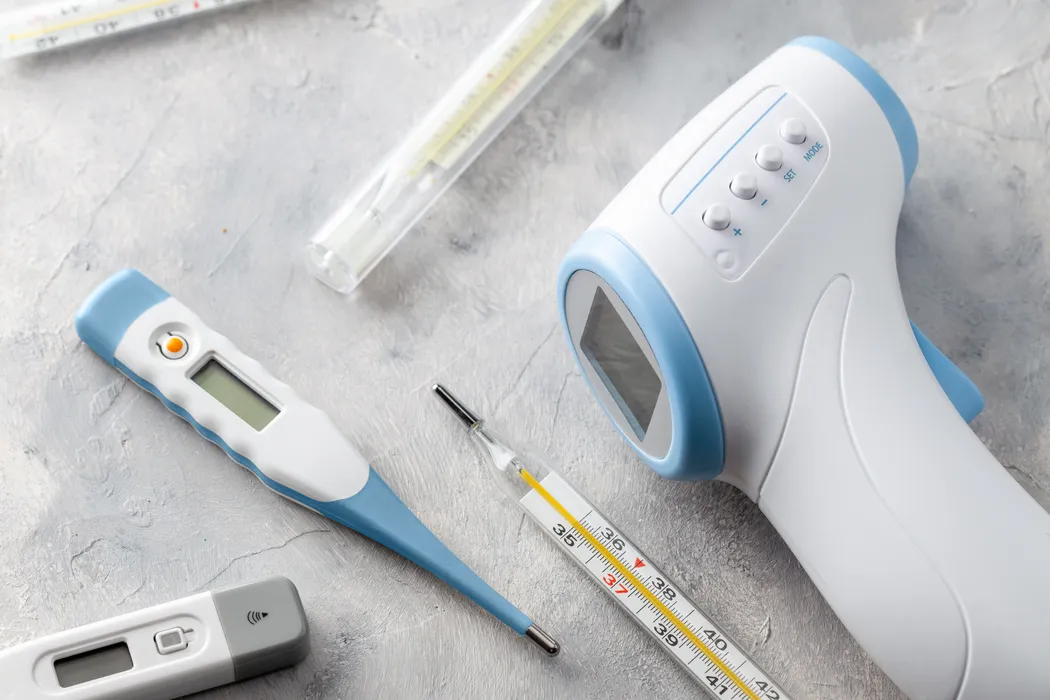
The availability of Specialised fever monitoring devices has grown significantly, giving you better options than ever for a thermometer for disabled India.
- Infrared Forehead Thermometers: These devices, often labeled as Temporal Scanners, are the preferred choice globally for non-invasive speed and comfort. They are the most user-friendly thermometer for special needs India due to their zero-contact requirement.
- Digital Ear (Tympanic) Thermometers: These offer very high accuracy by measuring the heat closest to the body's core temperature. They work quickly, but require the person to allow gentle insertion into the ear canal.
- Smart Basal Thermometers: Some advanced models can be integrated with mobile apps, allowing for remote tracking bp readings India and temperature history review. While designed for fertility, their detailed tracking bp readings India and temperature logging features are useful.
- Fast Digital (Oral/Axillary): If non-contact is unavailable, select a high-speed digital model that registers temperature in under 10 seconds. Ensure it has a flexible tip for enhanced comfort and safety during underarm placement.
Tips for Accurate Use (Usage Tips)
Getting an accurate temperature reading from a thermometer for disabled India relies heavily on the technique used by the caregiver.
- Stabilise the Environment: Avoid taking the temperature immediately after the person has been crying, bathing, or sleeping under heavy blankets. Allow the person five minutes of calm to ensure their surface temperature is normalised.
- Ensure Dry Contact Area: If using a forehead scanner, quickly wipe away any moisture or sweat from the forehead before aiming the device. Sweat can create a falsely low reading due to evaporative cooling.
- Keep Still for Speed: Though non-contact thermometers are fast, try to minimise movement for the brief moment the device is scanning. Movement can sometimes interrupt the infrared scan, leading to an error.
- Store Correctly: Store the thermometer and its manual together in a safe, dust-free place, making sure to replace the battery immediately when the low battery indicator shows. Low batteries are a frequent cause of inaccurate readings.
- Practice Ahead of Time: Practice using the thermometer for special needs India when the person is calm and healthy to familiarise them with the sound and feel. This reduces fear and resistance when they are actually sick.
Working with Your Doctor
Effective fever management always involves communication with the healthcare provider about the device and method being used.
- Method Disclosure: Always inform your doctor if you are using an ear, forehead, or armpit reading, as these differ from core rectal temperatures. This contextual detail is crucial for clinical decision-making.
- Tracking Fever Spikes: Maintain a detailed log of the time, reading, and method used during fever episodes. This information, aided by the memory function of the thermometer for special needs India, reveals patterns to the doctor.
- Calibration Confidence: If you notice wildly erratic readings, ask your doctor or a pharmacist to check the thermometer's calibration. An uncalibrated device undermines all your care efforts.
- When to Call: Establish clear, predetermined fever thresholds with your doctor that indicate when you should call for advice or seek emergency care. Having a plan reduces panic during a fever spike.
- Training and Validation: If possible, ask the clinic staff to observe you taking a temperature with the new thermometer for disabled India to ensure your technique is flawless.
Conclusion
Selecting the right thermometer is a major step in enhancing the quality of care for vulnerable individuals. By prioritising non-contact methods, simple operation, and accessible display features, you can ensure you have the best thermometer for disabled India available. A well-chosen device removes fear and ambiguity, ensuring you can act quickly and confidently when your loved one needs you most.


