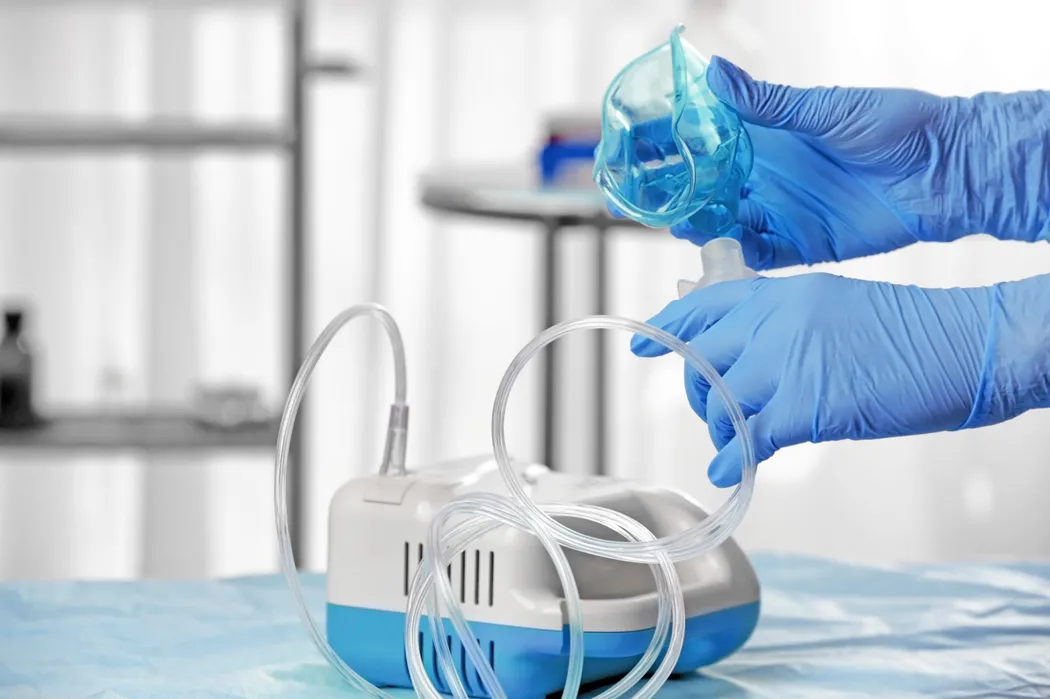
For families relying on a nebulizer to manage asthma or COPD, the device is an essential piece of medical equipment. Just like any tool used for health, it must be kept clean to work properly and safely. A dirty nebulizer can become a breeding ground for germs, turning your treatment into a source of infection. By following a simple, consistent routine of nebulizer cleaning tips, you ensure that the medicine mist you breathe is pure and effective. This guide helps you understand the easy steps for keeping your family’s nebulizer in top condition.
Cleaning and Maintaining Your Nebulizer: Tips for Families
Learn essential nebulizer cleaning tips for safe breathing. A simple guide on disinfection, air filter replacement, and how to maintain a nebulizer for families managing asthma or COPD.
Apollo Pharmacy
Why Cleaning is Non-Negotiable?
Regular cleaning and maintenance of your nebulizer are crucial for protecting the health of the patient, especially for people with sensitive respiratory systems.
- Prevents Germ Growth: Medication residue and moisture can rapidly encourage the growth of bacteria and fungi. Breathing in these germs can lead to serious respiratory infections.
- Ensures Full Effectiveness: A clean medication cup allows the entire dose of liquid medicine to be aerosolized efficiently. Blocked nebulizer cups result in reduced medicine delivery to the lungs.
- Maintains Air Quality: A clean air filter on the compressor prevents dust and dirt from entering the system and mixing with the mist.
- Extends Device Life: Taking care of the components helps you learn how to maintain the nebulizer for years of reliable service.
Your Daily and Weekly Routine
A two-part cleaning routine, a quick clean after every use, and a deeper disinfection once a week, is highly recommended.
After Every Use (Rinsing)
- Rinse the Parts: Separate the mouthpiece/mask and the medicine cup from the tubing after treatment. Discard any remaining liquid medication immediately.
- Use Running Water: Rinse the mouthpiece/mask and medicine cup thoroughly under warm running tap water for several seconds.
- Air Dry on Towel: Shake off excess water and place the parts on a clean, unused paper or cloth towel to air dry completely. Do not wipe them dry, as this can transfer germs.
- Store Tubing Separately: Store the air tubing away from the wet components; never rinse the tubing in water.
Weekly Disinfection (Deep Clean)
- Prepare Disinfectant: Soak the rinsed components (mask, cup, mouthpiece) in a mixture of one part white distilled vinegar to three parts clean water. Alternatively, follow the manufacturer's instructions for a mild detergent.
- Soak Completely: Submerge the parts entirely in the solution for a full 30 minutes, ensuring they are fully covered.
- Rinse Again: Remove the parts and rinse them again thoroughly under clean, warm running water to remove all traces of the vinegar or cleaning solution.
- Final Air Dry: Place the parts on a clean towel or drying rack and allow them to completely air dry before putting them away.
Following these nebulizer cleaning tips is essential for minimizing the risk of contamination.


Choosing Safe Cleaning Agents
Using the correct materials is key to effective cleaning without damaging the plastic components of your device.
The Vinegar Solution: The white vinegar and water mixture is a common, safe, and effective disinfectant for home use.
Check the Manual: Always read your nebulizer's user manual first, as some manufacturers recommend specific solutions or mild detergents.
Avoid Abrasives: Never use harsh, abrasive chemicals or scrubbing pads, as these can scratch the plastic and leave microscopic areas for bacteria to hide.
No Dishwasher: Unless the manual explicitly states the parts are dishwasher-safe, avoid putting them in the machine, as the high heat may melt or warp the plastic.
Keeping Your Device Protected
Proper storage is a critical part of maintaining the nebulizer and keeping the parts clean between uses.
- Ensure Full Dryness: Never store the nebulizer cup or mask in a sealed plastic bag or container when they are still damp. Trapped moisture breeds germs quickly.
- Use a Clean Container: Once the components are completely dry, store them in a clean, dry, zip-top plastic bag or the storage box the device came in.
- Store Compressor Unit: Keep the main compressor unit in a cool, dry place, protecting it from dust and direct sunlight.
- Keep it Level: Always store the compressor unit upright to protect the internal motor and prevent accidental spillage of any lingering moisture.
Knowing When to Get New Parts
Even with the best nebulizer cleaning tips, some parts simply wear out and must be replaced to keep the treatment effective.
- Air Filter: The air filter should be checked regularly and typically needs replacement every six months, or earlier if it looks dirty or discoloured. A dirty filter can reduce the compressor efficiency and introduce contaminants.
- Medication Cup (Nebulizer Cup): Replace the cup every six months to one year, or sooner if the mist production slows down. The small jets in the cup can wear out, making the mist less fine and effective.
- Tubing: Replace the tubing if you notice any cracks, holes, or visible discoloration inside the tube. Holes can cause air leaks and reduce the misting power.
- Masks and Mouthpieces: Replace these if they become cracked, sticky, or if the seal around the face is no longer snug.
Conclusion
Taking these simple steps for cleaning and maintenance is the best way to ensure the long-term effectiveness of your respiratory treatment. Making the nebulizer cleaning tips a habit after every use, and dedicating time for a deep weekly clean, will protect your loved ones from infection. By knowing how to maintain the nebulizer and when to replace worn parts, you can breathe easier knowing your equipment is always ready and reliable.


