0

In this article

  • What Causes Diaper Rash?
  • Is Coconut Oil Good for Diaper Rash?
  • Can I Use Coconut Oil for Diaper Rash?
  • How to Use Coconut Oil for Diaper Rash?
  • Coconut Oil vs. Traditional Zinc Oxide Creams
  • When to Avoid Coconut Oil and Call a Doctor?
  • Conclusion

Coconut Oil for Diaper Rash: Does It Work?

Can coconut oil help diaper rash? Learn its benefits, how to use it safely, and when to choose medicated creams for better relief.

article image

Apollo Pharmacy

Caring for a baby’s delicate skin can sometimes feel challenging, especially when irritation like diaper rash appears. While this condition is very common and often mild, it can still cause noticeable discomfort for your little one. Naturally, many parents look for gentle, effective solutions that are safe for everyday use.

Among the many home remedies, coconut oil has gained attention as a simple, natural option. Known for its moisturising and soothing properties, it is often considered as an alternative to conventional diaper rash creams. However, understanding how it works, when it may be helpful, and when stronger treatments are needed is essential.

In this guide, we will explore whether coconut oil is truly effective for diaper rash, how to use it safely, and what paediatricians recommend for keeping your baby’s skin healthy and protected.

What Causes Diaper Rash?

Before choosing a treatment, it helps to understand why diaper rash develops. Medically known as irritant diaper dermatitis, this condition typically appears as red, inflamed, and sensitive skin in the diaper area, including the bottom, thighs, and genital region.

Several everyday factors can contribute to this irritation:

  • Prolonged exposure to wetness: When a baby’s skin stays in contact with urine or stool for extended periods, it can weaken the skin barrier and lead to irritation. The combination of moisture and waste products may further aggravate the skin.
  • Friction and chafing: Tight diapers or clothing that rub repeatedly against the skin may cause small areas of damage. This friction can make the skin more vulnerable to redness and soreness.
  • Introduction of new foods: As babies begin solids, changes in stool consistency and acidity may increase the likelihood of irritation, especially if diapers are not changed promptly.
  • Bacterial or yeast infections: The warm and moist environment inside a diaper creates ideal conditions for microorganisms such as bacteria or yeast to grow. In particular, Candida may cause a more persistent and intense rash.
  • Antibiotic use: Antibiotics can disrupt the natural balance of bacteria in the body. This may allow yeast to grow more easily, increasing the risk of a secondary infection in the diaper area.

Understanding these causes can help you choose the most appropriate care approach and prevent future flare-ups.
 

Is Coconut Oil Good for Diaper Rash?

If you are wondering whether coconut oil is suitable for diaper rash, the answer is that it may be helpful for mild, everyday irritation. Its natural composition and gentle properties make it a popular choice among parents looking for a simple, chemical-free option.

Healthcare professionals often highlight the importance of protecting and restoring a baby’s skin barrier. Coconut oil, especially when extra virgin or cold-pressed, contains beneficial compounds that may support this process.

1. It Helps Form a Protective Barrier

One of the key goals in managing diaper rash is to shield the skin from constant moisture and irritants. Coconut oil contains fatty acids that allow it to spread easily and sit on the surface of the skin, forming a light, breathable barrier. This layer may help minimise direct contact with urine and stool, which are common triggers of redness and soreness. With consistent use, it may also reduce friction between the diaper and the skin, helping prevent further irritation.

2. It Has Mild Antimicrobial Properties

Coconut oil is rich in lauric acid, a compound known for its natural antibacterial and antifungal qualities. While it is not a replacement for prescription treatments, it may help limit the growth of certain microbes on the skin in mild cases. This can be particularly useful in preventing a simple irritant rash from progressing into a more persistent condition. However, it is important to remember that more severe infections will still require medical treatment.

3. It Provides Moisturising and Soothing Effects

Diaper rash often leaves the skin dry, inflamed, and sensitive to touch. Coconut oil acts as an effective emollient, helping to lock in moisture and soften the skin. This hydration may support the natural healing process by reducing dryness, flaking, and tightness. The 
smooth texture of the oil also allows for gentle application, which can feel soothing for babies experiencing discomfort.

4. It Is Simple and Free from Additives

Unlike many commercial creams, pure coconut oil is a single-ingredient product that does not contain added fragrances, dyes, or preservatives. This simplicity may reduce the risk of further irritation, especially for babies with sensitive or reactive skin. For parents 
who prefer a minimal skincare approach, coconut oil can be a reliable and easily accessible option.

While coconut oil can be a gentle and effective choice for mild rashes, it is still important to monitor your baby’s skin. If the rash does not improve, worsens, or shows signs of infection, seeking medical advice is recommended.
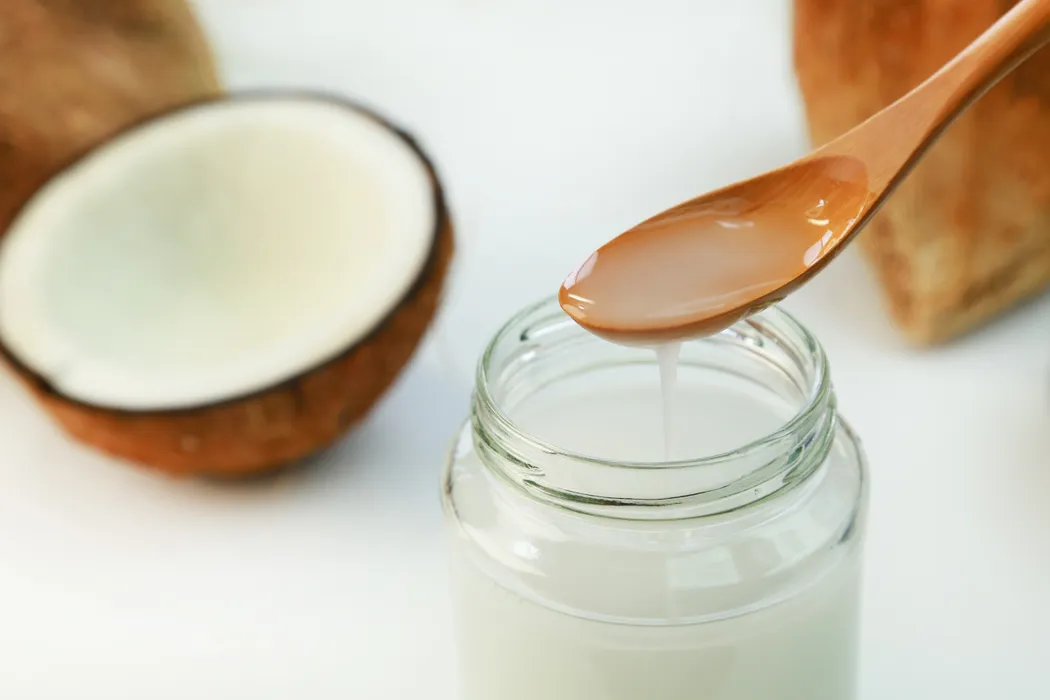
 

Can I Use Coconut Oil for Diaper Rash?

Many parents wonder whether coconut oil is safe to use on a newborn’s delicate skin. In most cases, pure coconut oil is considered safe for topical application on infants and may be a gentle option for soothing mild diaper rash.

Coconut oil tends to work best for simple irritant diaper dermatitis, which appears as light redness or pink patches caused by moisture, friction, or prolonged contact with a wet diaper. In these situations, its soothing and protective properties may help calm the skin and support recovery.

When choosing a product, quality matters. Always opt for unrefined, cold-pressed, extra-virgin coconut oil. This type retains its natural beneficial compounds, including lauric acid, which may contribute to its soothing and protective effects. Refined versions, on the other 
hand, are often processed at high temperatures and may lose these beneficial properties, while also increasing the risk of irritation.

Safety tip: Before applying coconut oil more widely, it is advisable to perform a small patch test. Apply a tiny amount to your baby’s arm or leg and wait for about 24 hours. This helps ensure there is no redness, irritation, or sensitivity. Although coconut allergies are 
uncommon, taking this precaution can help avoid unexpected reactions.

It is also important to remember that coconut oil may not be suitable for all types of diaper rash. If the rash appears severe, spreads, or involves signs of infection such as bright redness, bumps, or oozing, medical treatment may be required instead.
 

How to Use Coconut Oil for Diaper Rash?

Using coconut oil correctly is essential to ensure it helps rather than worsens the rash. Because it forms a light barrier on the skin, applying it over damp or unclean skin may trap moisture and irritants, which can delay healing.

Follow these steps to use it safely and effectively:

Step 1: Clean the Diaper Area

Start by removing the soiled diaper and gently cleaning your baby’s skin. Use lukewarm water with a soft washcloth, or opt for fragrance-free, water-based wipes. This step helps remove any residue of urine or stool that may continue to irritate the skin if left behind. It is best to avoid wipes with alcohol or strong fragrances, as these can sting, dry out the skin, and worsen the rash.

Step 2: Let the Skin Dry Completely

This is one of the most important steps. Since coconut oil acts as a seal, applying it to damp skin may lock in moisture and bacteria. Allow the skin to air dry naturally for a few minutes, giving the area time to breathe. If needed, gently pat the skin dry with a soft towel, taking care not to rub. Allowing brief diaper-free time may further support healing and reduce irritation.

Step 3: Apply the Coconut Oil

Take a small amount of extra-virgin coconut oil, roughly the size of a pea. Because it is solid at room temperature, it will melt quickly when warmed between your fingers. Once softened, apply a thin, even layer over the affected area using gentle dabbing motions. A 
light layer is usually enough to coat the skin and provide protection without clogging pores or creating excess buildup.

Step 4: Put on a Fresh Diaper

After applying the oil, place a clean diaper on your baby. Ensure it is secured comfortably, not too tight, so there is some room for airflow. A slightly looser fit may help reduce friction and prevent excessive warmth or moisture from building up, both of which can 
aggravate the rash.

When used consistently as part of a gentle skincare routine, coconut oil may help soothe mild irritation and support the skin’s natural healing process.
 

Coconut Oil vs. Traditional Zinc Oxide Creams

While coconut oil is a gentle and natural option, it is important to understand how it compares to traditional diaper rash creams to choose the most appropriate care for your baby’s skin.

Zinc oxide creams are widely regarded by paediatricians as a highly effective treatment for diaper rash. These creams form a thick, protective layer over the skin, shielding it from moisture and irritants while allowing the underlying skin to heal. Coconut oil, on the other 
hand, offers a lighter barrier and is better suited for milder cases.

When to use coconut oil: Coconut oil may be a good choice for daily prevention, mild redness, dry patches, or slight chafing. Its lightweight texture makes it easy to apply and comfortable for regular use. It may also be preferred by parents looking for a natural, 
minimal-ingredient option, especially when the skin is only slightly irritated.

When to use zinc oxide creams: Zinc oxide is more suitable for moderate to severe diaper rash, particularly when the skin appears very red, inflamed, or painful. Its thick consistency provides stronger protection by sealing out moisture more effectively. This makes it especially useful when the skin barrier is significantly damaged and needs extra support to heal.

In many cases, parents may find that using coconut oil for mild care and switching to zinc oxide during flare-ups offers a balanced approach to managing diaper rash.
 

When to Avoid Coconut Oil and Call a Doctor?

While coconut oil may help with mild irritation, it is not suitable for all types of diaper rash. In some cases, relying on home remedies may delay proper treatment, so it is important to recognise when medical care is needed.

You should stop using coconut oil and consult your paediatrician if you notice any of the following:

The rash does not improve:

If there is little to no improvement after 2 to 3 days of consistent home care, it may indicate that the rash requires a different or stronger treatment approach.

Signs of a yeast infection:

A fungal rash often appears bright red with well-defined edges and may include small red bumps spreading beyond the main area. These rashes typically require antifungal medication, as coconut oil alone is unlikely to resolve them.

Broken, oozing, or bleeding skin:

If the skin shows blisters, open sores, or yellow discharge, it may suggest a bacterial infection. These cases need prompt medical attention and appropriate treatment.

Fever or unusual behaviour:

If your baby develops a fever, appears unusually sleepy, or seems less responsive along with a rash, it is important to seek immediate medical care.

Recognising these warning signs early can help ensure your baby receives the right treatment and recovers comfortably.
 

Conclusion

Managing diaper rash is a common part of caring for a baby, and in many cases, it can be handled effectively with simple, gentle measures. Coconut oil may be a useful natural option for soothing mild irritation, helping to moisturise delicate skin, and providing a light protective barrier against moisture. When used correctly on clean, dry skin, it may support comfort and healing in everyday cases.

At the same time, it is important to recognise its limitations. Coconut oil is best suited for mild redness or early-stage irritation and may not be sufficient for more severe rashes or infections. Monitoring your baby’s skin closely and adjusting care as needed plays a key role in recovery.

If the rash appears intense, persists beyond a few days, or seems to cause significant discomfort, seeking medical advice is always the safest approach. With the right balance of gentle care and timely intervention, you can help keep your baby’s skin healthy, comfortable, and well protected.

Disclaimer: This article is for informational purposes only and does not substitute for professional medical advice. Always consult your paediatrician for any concerns about your baby’s health and medical needs.
 

FAQs

Can I apply coconut oil at every diaper change?

Yes, applying a thin layer of pure, unrefined coconut oil at each diaper change is generally safe. It may help act as a light protective barrier against moisture and friction, especially for babies prone to mild irritation. Ensure the skin is clean and completely dry before each application.

Can coconut oil treat yeast-related diaper rash?

Coconut oil has mild antifungal properties, which may help in preventing yeast overgrowth. However, if a yeast infection is already established, particularly if it appears severe or persistent, coconut oil alone is unlikely to be effective. In such cases, a paediatrician may recommend an antifungal treatment.

Does coconut oil affect cloth diapers

Unlike heavier creams containing zinc oxide or petroleum, coconut oil is less likely to build up on cloth diapers. It typically washes out more easily with proper cleaning, making it a more compatible option for families using reusable diapers.

How long does it take to see results

For mild diaper rash, improvement may be noticed within 24 to 48 hours when coconut oil is used consistently along with regular diaper changes and allowing the skin some air exposure. More persistent rashes may take longer or require different treatment.

Can I mix coconut oil with other ingredients

While some parents consider combining coconut oil with other natural ingredients, caution is advised. Adding water-based substances without proper preservation may increase the risk of bacterial growth. It is generally safer to use coconut oil on its own. Avoid adding essential oils, as they may be too strong for a baby’s sensitive skin.

Apollo 247 Floating Action Button