0

Home Pregnancy Test Kit Mistakes to Avoid

Avoid false or confusing results by learning the most common mistakes to avoid while using a home pregnancy test kit and how to test correctly.

article image

Apollo Pharmacy

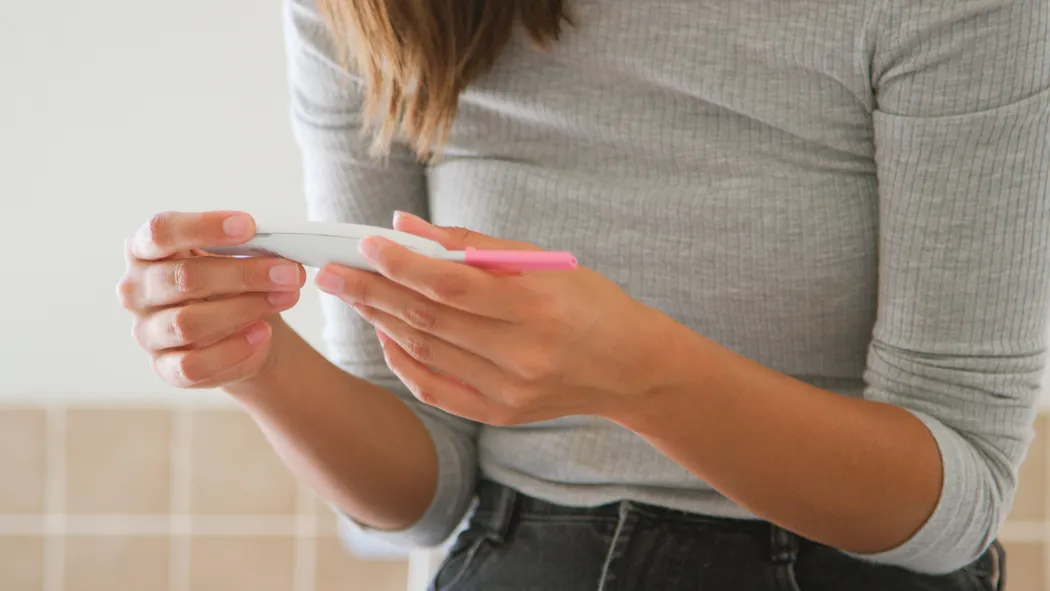
Using a home pregnancy test kit can be an emotionally charged experience, especially for women who are testing for the first time or who are deeply anxious about the result. Whether you are hoping for a positive outcome or feeling nervous about an unexpected pregnancy, the waiting period can be overwhelming. In such moments, even small mistakes in testing can lead to confusion, disappointment, or unnecessary stress.

Many women unknowingly make pregnancy test mistakes that affect accuracy. These mistakes may include testing too early, misreading faint lines, or using the kit incorrectly. Since home pregnancy tests are widely available and easy to use, it is often assumed that results are foolproof. However, proper timing, correct technique, and understanding the test result are crucial for accuracy.

It is also important to remember that anxiety and impatience can influence testing behaviour. Some women test multiple times in a single day, while others may misinterpret faint lines or second-guess the instructions. Learning practical dos and don’ts, understanding how to use Apollo pharmacy-available kits properly, and knowing how to read results can help reduce stress and improve accuracy. These steps not only increase confidence in the result but also provide a more reassuring testing experience for first-time users.

This article explains the most common mistakes people make while using home pregnancy tests, why these errors happen, and how to avoid them. It also discusses how false results occur and how to ensure the most reliable outcome possible.

How Home Pregnancy Test Kits Work?

Before identifying common mistakes, it is essential to understand how pregnancy test kits function.

Home pregnancy tests detect human chorionic gonadotropin (hCG), a hormone produced once a fertilised egg implants into the uterus. This hormone begins to appear in urine several days after implantation.

Key Points to Remember

  • Human chorionic gonadotropin usually becomes detectable 6–10 days after ovulation
  • Levels double approximately every 48–72 hours
  • Very early testing may not detect enough hormone

Because human chorionic gonadotropin rises gradually, testing too soon can easily result in a false negative. This biological delay explains why timing plays such an important role in accurate testing.

Buy Pregnancy Test Kits Here

Mistake 1: Testing Too Early

One of the most common pregnancy test mistakes is testing before the body has produced enough human chorionic gonadotropin to be detected.

Why this Happens?

Here’s why this happens:

  • Eagerness or anxiety to know the result
  • Miscalculating ovulation or cycle length
  • Assuming conception occurs immediately after intercourse

What can go Wrong?

Here’s what might can happen:

  • False negative results
  • Emotional disappointment
  • Repeated unnecessary testing

How to Avoid This Mistake?

Here’s how to avoid mistakes:

  • Test on or after the first day of a missed period
  • If cycles are irregular, wait at least 14 days after ovulation
  • Repeat the test after 48–72 hours if unsure

Waiting just a few extra days can significantly improve accuracy.

Mistake 2: Using Diluted Urine for Testing

The concentration of hCG in urine directly affects test accuracy.

Why Diluted Urine Causes Problems?

Drinking large amounts of water before testing can dilute hCG levels, especially in early pregnancy, leading to false negative results.

Best Practice

  • Test with first-morning urine whenever possible
  • Avoid excessive fluid intake before testing
  • Follow the timing instructions provided with the kit

First-morning urine is the most concentrated and provides the clearest result.

Mistake 3: Incorrect Interpretation of Test Lines

Misreading results is one of the most frequent pregnancy test mistakes.

Understanding Test Results

  • Positive: Two visible lines or a “+” symbol
  • Negative: One line or a “–” symbol
  • Invalid: Missing control line

Common Interpretation Errors

Here are some common interpretation errors:

  • Mistaking evaporation lines for positive results
  • Assuming faint lines mean a faulty test
  • Checking the test long after the recommended time

Evaporation Line vs Real Positive

Evaporation lines appear colourless or grey and usually show up after the test has dried. A true positive line has colour and appears within the recommended time window.

Mistake 4: Reading the Result Too Late

One of the most overlooked errors is checking the test long after the suggested reading time.

Why This Causes Confusion?

  • Dried urine leaves residue lines
  • Chemical changes alter the appearance of the strip
  • Late reading leads to misinterpretation

Correct Approach

  • Always read results within the specified time (usually 3–5 minutes)
  • Discard the test afterward
  • Do not recheck hours later

Late interpretation is a major cause of unnecessary worry and false assumptions.

Mistake 5: Assuming All Positive Results Are Always Accurate

Although rare, not all positive results are true positives.

Possible Causes of a False Positive Pregnancy Test

Here are the possible causes of false positive pregnancy test results:

  • Recent miscarriage or abortion
  • Fertility medications containing human chorionic gonadotropin
  • Chemical pregnancy
  • Faulty or expired test kits

Understanding these possibilities helps prevent panic and confusion.

Mistake 6: Using an Expired or Improperly Stored Test Kit

Storage conditions significantly affect test reliability.

Why This Matters?

  • Heat and moisture degrade test chemicals
  • Expired tests may not detect human chorionic gonadotropin properly

How to Avoid This Issue?

  • Always check expiration dates
  • Store kits in a cool, dry place
  • Avoid storing tests in bathrooms

Proper storage ensures accurate and dependable results.

Mistake 7: Not Following Instructions Properly

Each test brand may have slightly different instructions.

Common Instruction Errors

  • Dipping strips longer than recommended
  • Using incorrect urine volume
  • Mixing components from different test kits

How to Prevent Errors?

  • Read instructions fully before testing
  • Follow each step carefully
  • Use only the components provided

Even small deviations can affect results.

Practical Dos and Don’ts While Using a Apollo Pregnancy Test Kit

The practical dos and don’ts play a vital role in ensuring accurate and stress-free testing, especially for first-time users. Many incorrect results happen not because the test is faulty, but because small instructions are overlooked during use. Being mindful of these practical steps can significantly improve reliability.

Dos:

  • Test after a missed period to ensure sufficient hCG levels
  • Use first-morning urine for higher concentration
  • Read results within the time window specified by the kit
  • Retest after 48–72 hours if results are unclear
  • Stay calm and patient during the process
  • Keep the test kit on a clean, dry surface while testing
  • Check kit expiration date before use
  • Use separate kits for multiple tests rather than repeating the same strip

Don’ts:

  • Don’t test immediately after intercourse, as it is too early to detect hCG
  • Don’t drink excess fluids before testing to avoid dilution
  • Don’t reuse strips or combine parts from different kits
  • Don’t read results after the recommended time
  • Don’t panic if the line is faint; retest after 2–3 days for confirmation
  • Don’t rely on a single test; confirm with a second kit or a doctor if uncertain
  • Don’t store tests in hot, humid places like bathrooms

Buy Pregnancy Test Kits Here

Following these practical steps ensures that first-time users avoid confusion and reduce anxiety, while using pharmacy-available kits correctly. These guidelines also prevent errors caused by impatience, improper storage, or misreading results, ultimately increasing confidence in home testing.

How to Reduce Anxiety While Testing?

Anxiety during pregnancy testing is extremely common, especially for women who are testing for the first time or have had past emotional experiences related to pregnancy. The waiting period between testing and results can feel overwhelming and may lead to repeated testing or overthinking small symptoms.

To manage this anxiety, it is important to stay mentally grounded. Avoid checking the test repeatedly or comparing symptoms online, as this often increases confusion rather than clarity. Instead, focus on calming activities such as deep breathing, light exercise, or talking to a trusted person. Limiting online searches about symptoms can also reduce unnecessary fear.

It is helpful to remind yourself that one test does not define your health or future. Hormonal levels vary from person to person, and timing plays a major role in test accuracy. Giving yourself emotional space and patience during this waiting period can significantly improve your overall experience.

When to Confirm Pregnancy with a Doctor?

Confirming pregnancy through a healthcare professional is an important next step after home testing. While home kits are useful for early detection, medical confirmation ensures accuracy and proper guidance.

You should consult a doctor if your test result is positive, unclear, or inconsistent. Medical confirmation is especially important if you experience symptoms such as abdominal pain, heavy bleeding, dizziness, or irregular cycles. A doctor may recommend a blood test to measure exact hCG levels or perform an ultrasound for confirmation.

Early medical consultation also helps identify potential complications, rule out ectopic pregnancy, and provide guidance on nutrition, supplements, and next steps. Even if the home test result is negative but symptoms persist, professional evaluation is advised. Seeking timely medical advice provides clarity, reassurance, and safe direction moving forward.

Buy Pregnancy Test Kits Here

Conclusion

Making pregnancy test mistakes is extremely common, especially for first-time users or those feeling anxious. Understanding how pregnancy tests work, avoiding common errors, and knowing when to test can significantly improve accuracy and peace of mind.

Although a false positive pregnancy test is rare, confusion can arise from improper use or early testing. By following correct testing procedures, reading instructions carefully, and allowing enough time for hormone levels to rise, you can obtain reliable results.

Patience, proper timing, and accurate interpretation are key. With the right approach, home pregnancy tests can be a dependable first step toward clarity, reassurance, and informed next steps.

Apollo 247 Floating Action Button