0

In this article

  • Introduction
  • What is a Cradle Cap?
  • What is Baby Dry Skin?
  • Cradle Cap vs Dry Skin: Key Differences to Look For
  • Is it Cradle Cap or Dry Skin? A Quick Checklist
  • How to Treat the Cradle Cap at Home?
  • How to Treat Baby Dry Skin at Home?
  • When to See a Paediatrician?
  • Conclusion

Cradle Cap vs Dry Skin: How to Tell the Difference

Learn the key differences between cradle cap and dry skin in babies. Discover causes, symptoms, and safe treatments to help keep your baby’s scalp healthy and flake-free
 

article image

Apollo Pharmacy

Introduction

Bringing a new baby home is an incredibly joyful experience, but it also comes with a lot of questions. As you gaze lovingly at your newborn, you might suddenly notice some flakiness, peeling, or crusty patches on their tiny head. Panic sets in, and you find yourself wondering what exactly is going on with your baby’s scalp. If you are trying to figure out the differences between cradle cap vs dry skin, you are not alone. This is one of the most common concerns new parents bring up to their pediatricians. While both conditions cause flaky skin on a baby’s head and face, they have completely different causes, look different upon close inspection, and require entirely different treatments. In this comprehensive guide, we will break down everything you need to know about cradle cap vs dry skin, how to easily identify which one your little one has, and the safest, doctor-approved ways to treat both conditions at home.
 

What is a Cradle Cap?
 

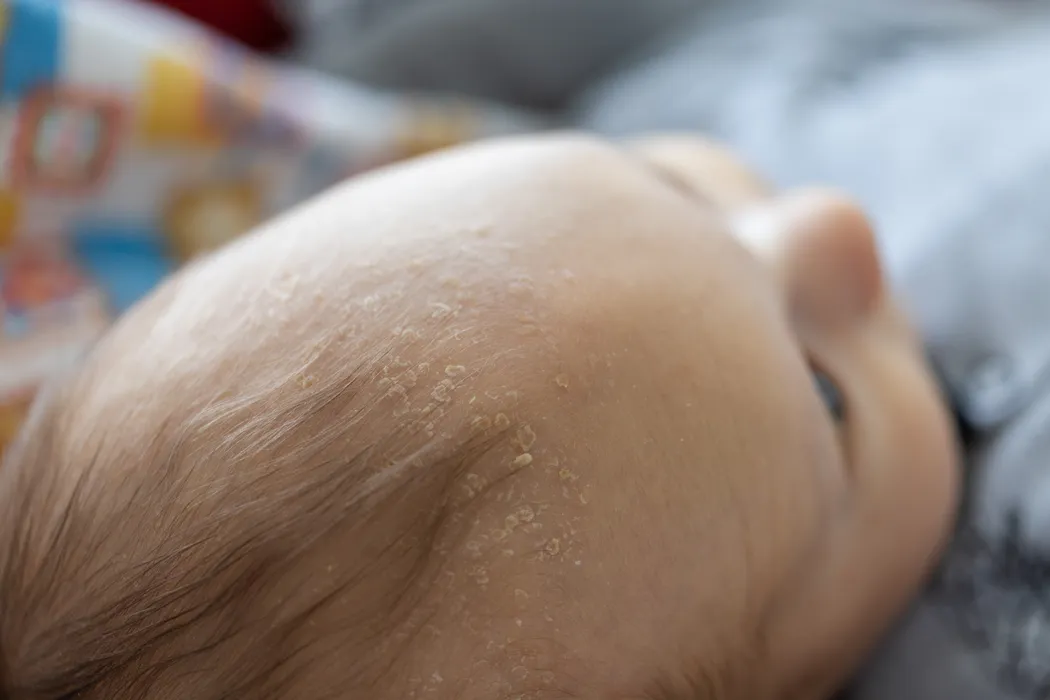
Cradle cap is the common term for a condition medically known as infantile seborrheic dermatitis. Despite its somewhat intimidating medical name, it is completely harmless, very common, and not contagious. It usually appears within the first few weeks to months of a baby's life and typically clears up on its own by the time the baby is a year old.

What Causes Cradle Cap?

The exact cause of cradle cap is not definitively known, but medical experts agree on two main contributing factors:

  1. Maternal Hormones: Hormones passed from the mother to the baby before birth can cause the baby’s oil glands (sebaceous glands) to become overactive. This leads to an overproduction of sebum (oil) on the scalp.
  2. Malassezia Yeast: A naturally occurring yeast called Malassezia grows in the sebum along with bacteria. This combination can cause the oil to build up, stick together, and form crusty scales on the skin.

It is important to note that cradle cap is not caused by poor hygiene, allergies, or a bacterial infection.

Symptoms of Cradle Cap

When looking closely at your baby’s scalp, cradle cap has a few very distinct characteristics:

  1. Thick, crusty, or scaly patches on the scalp.
  2. Scales that are yellow, brown, or slightly orange in colour.
  3. A greasy or oily texture to the flakes.
  4. Mild redness underneath the crusts.
  5. Patches that stick firmly to the hair and scalp.

While it primarily affects the scalp, cradle cap can also show up around the eyebrows, behind the ears, in the armpits, and even in the diaper crease.

What is Baby Dry Skin?

Just like adults, babies can experience simple dry skin. However, a baby’s skin is significantly thinner and more delicate than adult skin, making it much more susceptible to losing moisture and drying out quickly. If your baby is a newborn, you might also be seeing the normal "newborn peeling" phase. While inside the womb, babies are covered in a thick, waxy substance called vernix caseosa, which protects their skin from the amniotic fluid. Once they are born and this coating is washed or wears off, the outer layer of their skin will naturally peel away over the first few weeks.

What Causes Dry Skin in Babies?

Aside from the normal newborn peeling, environmental factors are usually to blame for a baby's dry skin:

  1. Frequent Bathing: Bathing your baby too often or using water that is too hot can strip the skin of its natural, protective oils.
  2. Harsh Soaps: Using heavily fragranced soaps, bubble baths, or adult skin products can irritate and dry out a baby’s delicate skin barrier.
  3. Weather Conditions: Cold winter air, harsh winds, and dry indoor heating can suck the moisture right out of your baby's skin.
  4. Air Conditioning: In the summer, constant exposure to dry, air-conditioned environments can also lead to moisture loss.

Symptoms of Baby Dry Skin

Dry skin looks and feels quite different from cradle cap. Symptoms include:

  1. Small, fine, white flakes (like standard dandruff).
  2. Skin that feels rough, tight, or sandpaper-like to the touch.
  3. Flakes that easily fall off when lightly brushed.
  4. A lack of any greasy or oily residue.
     

Cradle Cap vs Dry Skin: Key Differences to Look For

If you are still struggling to determine whether it is cradle cap vs dry skin, comparing the two side-by-side can make it much easier. Here is a breakdown of the defining features of each:

Colour of the Flakes

Dry skin typically produces very fine, powdery flakes that are bright white in colour and resemble ordinary dandruff. These flakes often look light and dusty on the surface of the scalp. In contrast, the cradle cap forms thicker, more noticeable flakes that tend to be yellow, brownish, or slightly dark in appearance. These scales may look waxy or crust-like and often sit in patches rather than scattering loosely. The colour difference is often the first visual clue parents notice when comparing cradle cap vs dry skin.

Texture

When you gently touch the affected area, dry skin usually feels rough, tight, and dry, almost like lightly sandpapered skin. The flakes are delicate and brittle, breaking apart easily with minimal contact. The cradle cap, however, has a very different texture. The scales tend to feel greasy, oily, and waxy due to the buildup of natural skin oils. Because of this oily coating, the flakes often appear thicker and more compact on the baby’s scalp.

Adherence

One of the easiest ways to tell the difference is by observing how easily the flakes come off. Dry skin flakes are very loose and will often fall away naturally onto your baby’s clothing or shoulders. Sometimes they may even disappear when the scalp is lightly brushed. Cradle cap scales, on the other hand, tend to stick firmly to the scalp because they are bound together by excess sebum (oil). This makes them more difficult to remove and they usually require gentle softening with oil and careful brushing.

Location

Although both conditions can appear on the scalp, their distribution on the body can vary significantly. Dry skin often appears on multiple areas of the body, including the arms, legs, cheeks, and torso, especially in colder or drier environments. It tends to develop 
wherever the skin loses moisture. Cradle cap, however, usually appears in areas where oil glands are most active. These include the scalp, eyebrows, behind the ears, the sides of the nose, and sometimes the folds of the neck or diaper area.

Smell

Another subtle difference is the presence of scent. Dry skin generally has no noticeable smell because it is simply a lack of moisture in the skin barrier. Cradle cap, however, may sometimes have a mild, slightly sour or oily odor. This occurs because of the combination of excess sebum and naturally occurring yeast on the scalp. While the smell is usually faint and harmless, it can sometimes be noticeable if the buildup of scales is thick.
Is it Cradle Cap or Dry Skin? A Quick Checklist

Still asking yourself, "Does my baby have a cradle cap or dry skin?" Try this quick test at home:

The Tissue Test

Gently press a clean, dry tissue against the flaky area on your baby’s scalp. Hold it there for a few seconds and then lift it away carefully. If the tissue comes away with a slight oily or greasy residue, the flakes are most likely caused by cradle cap, since this condition involves excess sebum on the scalp. If the tissue remains completely dry with no oily marks, the flakes are more likely due to simple dry skin. This quick test can give parents a helpful clue about what they’re dealing with.

The Colour Check

Examine your baby’s scalp under bright, natural lighting to clearly see the colour and appearance of the flakes. If the flakes appear yellow, waxy, or slightly brownish, it usually indicates cradle cap. These flakes often look thicker and more patch-like on the scalp. If the flakes are pure white, light, and powdery, the cause is more likely dry skin. Observing the colour carefully can help you distinguish between these two very common scalp conditions in babies.

Understanding the core differences in the cradle cap vs dry skin debate is crucial because treating one with the methods meant for the other can sometimes make the problem worse.
 

How to Treat the Cradle Cap at Home?

If you have determined that your baby has a cradle cap, the good news is that it doesn't bother the baby at all. It rarely itches and is purely a cosmetic issue. However, if you want to help clear it up, you can follow this simple, gentle routine:

1. Soften the Scales

Because the cradle cap is stuck to the scalp with oil, you need an emollient to loosen it. About 15 to 30 minutes before bath time, massage a few drops of pure mineral oil, baby oil, or petroleum jelly into the crusty patches. Note: Many pediatric dermatologists now 
advise against using olive oil, as it can actually feed the yeast that contributes to cradle cap.

2. Gently Brush

Once the scales are softened, use a soft-bristled baby brush or a special silicone cradle cap comb to gently massage the scalp. Use a circular motion to loosen the flakes. Never pick or scratch the scales with your fingernails, as this can create open sores and lead to 
bacterial infections.

3. Wash Away the Oil

It is vital to wash the oil out of your baby's hair. Leaving oil on the scalp can actually cause more cradle cap to form. Use a mild baby shampoo and warm water to wash the scalp. If the cradle cap is stubborn, your paediatrician might recommend a gentle, over-the-counter medicated shampoo.
 

How to Treat Baby Dry Skin at Home?

If your checklist results pointed toward cradle cap or dry skin and you landed on dry skin, your goal is to restore the skin's moisture barrier. You can do this by making a few simple lifestyle adjustments.

1. Adjust Bath Time Habits

Water can actually be drying. Limit your baby's baths to 3 times a week, and keep them short (under 10 minutes). Always use lukewarm water instead of hot water, as hot water strips away natural oils rapidly. Use a fragrance-free, hypoallergenic baby wash  rather than 
traditional bubble baths or bar soaps.

2. Moisturise Immediately

The most critical step in treating dry skin is the "soak and seal" method. Within three minutes of taking your baby out of the bath, gently pat their skin dry with a towel (do not rub). While the skin is still slightly damp, apply a thick layer of a fragrance-free moisturising cream or ointment. Ointments (like petroleum jelly) and heavy creams are much better at trapping moisture than thin lotions.

3. Use a Humidifier

If you live in a dry climate or use an indoor heating system during the winter, place a cool-mist humidifier in your baby’s nursery. This adds moisture back into the air, preventing the skin from drying out overnight.
 

When to See a Paediatrician?

Both cradle cap and dry skin can usually be managed safely at home. However, you should consult your paediatrician if you notice any of the following red flags:

  1. The affected areas look bright red, irritated, or swollen.
  2. The patches begin to ooze fluid, weep, or bleed.
  3. The cradle cap spreads far beyond the scalp and face.
  4. The dry skin does not improve with regular moisturising, which could be a sign of baby eczema (atopic dermatitis).
  5. Your baby seems to be in pain, is intensely scratching the area, or develops a fever.
     

Conclusion

Navigating your baby's skin conditions can feel overwhelming, but understanding the signs of cradle cap vs dry skin puts you back in the driver's seat. Remember: The cradle cap is yellow, greasy, and crusty, while dry skin is white, rough, and powdery. By using the 
gentle home-care routines outlined above, you can help soothe your baby’s scalp safely and effectively. When in doubt, always reach out to your paediatrician for a professional opinion and peace of mind.

FAQs

Does cradle cap hurt or itch my baby?

No. One of the main differences in the cradle cap vs dry skin comparison is how it feels for the baby. The cradle cap is generally completely painless and does not itch. Dry skin, on the other hand, can sometimes feel tight and slightly itchy to your baby.

Can I pick or peel the cradle cap flakes off?

You should never use your fingernails or tweezers to pick, peel, or scratch the flakes off your baby's scalp. Forcefully removing the cradle cap can pull out your baby's hair and create microscopic tears in the skin, which invites bacteria in and can cause an infection. Always soften the flakes with oil and let them fall away naturally with gentle brushing.

Does breast milk help with dry skin or cradle cap?

Breast milk is known for its amazing antibacterial and healing properties. While many mothers swear by dabbing a little breast milk on minor skin irritations or dry skin, there is limited scientific evidence proving it works specifically to cure cradle cap. For dry skin, however, a few drops of breast milk mixed into bath water or rubbed on dry patches can be a gentle, natural way to soothe the skin.

How long does the cradle cap usually last?

Cradle cap usually appears within the first two months of life and typically resolves completely on its own between the ages of 6 to 12 months. In very rare cases, a child might experience mild seborrheic dermatitis into their toddler years, but it usually fades as their oil glands regulate.

Should I wash my baby's hair every day if they have flakes?

It depends on the cause! If your baby has a cradle cap, washing the hair once a day with a mild baby shampoo can help wash away the excess oil that is causing the scales. However, if your baby has dry skin, washing their hair and body every day will actually dry their skin out further. This is why knowing whether you are dealing with the cradle cap or dry skin is so important for proper care.

Apollo 247 Floating Action Button