0

In this article

  • Why Does Winter Make Varicose Veins Worse?
  • 5 Simple Ayurvedic Practices to Ease Winter Discomfort
  • Introducing AyurVAID’s Pinda Thailam Cream: Warming Relief for Winter
  • Who Should Use Pinda Thailam Cream and How?
  • When to Consult a Doctor?
  • Stay Warm, Move Freely, Feel Comfortable

Winter Woes? Try a Trusted Cream to Manage Varicose Veins

Learn how winter affects circulation and explore simple Ayurvedic habits plus a gentle Ayurvedic cream to manage varicose veins for reduced heaviness and swelling.

article image

Apollo Pharmacy

Winter mornings bring cosy blankets and warm chai, but if you struggle with varicose veins, they also bring something less welcome — heavier legs, visible swelling, and that dull ache that seems to worsen with every cold day.

As cold weather affects your circulation, varicose veins respond by becoming more uncomfortable, stiff, and tender. The good news? Understanding why this happens and finding the right cream to manage varicose veins can make winter far more comfortable. 

Ayurveda offers gentle, warming practices and safe formulations designed to support circulation, ease discomfort, and help you move through the season with greater ease.

Why Does Winter Make Varicose Veins Worse?

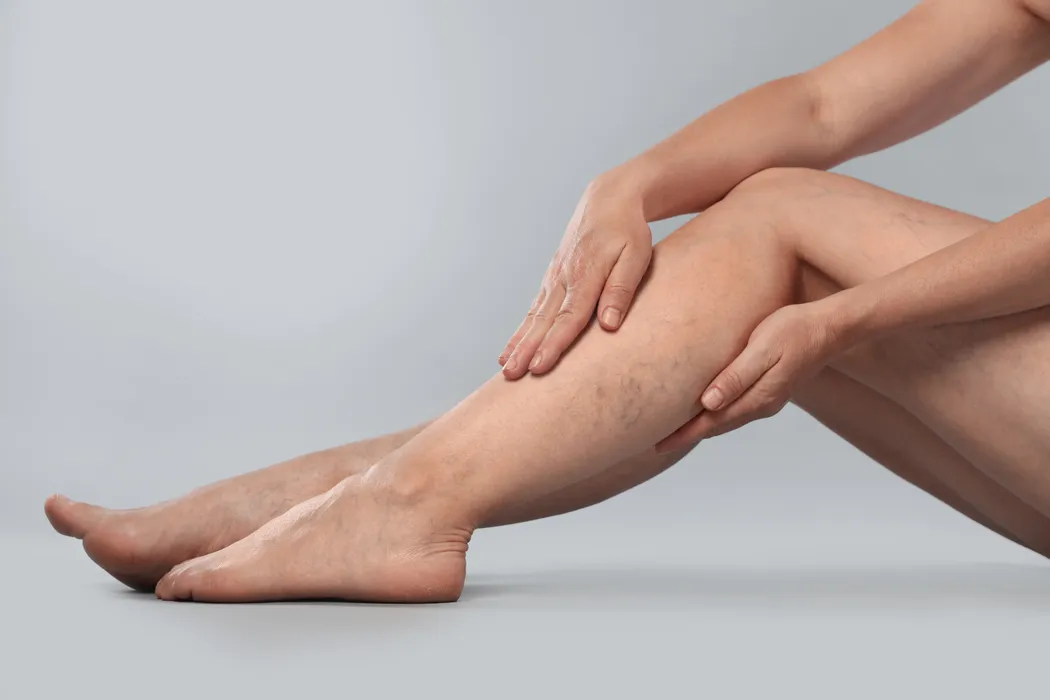
Varicose veins occur when the valves in your leg veins weaken, causing blood to pool instead of flowing smoothly back to the heart. This creates visible, twisted veins often accompanied by heaviness, swelling, and discomfort — symptoms that intensify during winter.

When temperatures drop, your body constricts peripheral blood vessels to keep vital organs warm. This slows circulation in your legs, making it harder for blood to flow upward. For those with weakened veins, this leads to increased pooling and that familiar heavy feeling.

Ayurveda explains this as an aggravation of the Vata dosha – the energy governing movement and circulation. Excess Vata causes stiffness, dryness, and poor blood flow, worsening varicose vein symptoms. Reduced physical activity during winter further allows blood to stagnate, increasing pressure and discomfort.

However, with the right Ayurvedic practices and cream for varicose veins, you can ease discomfort and support healthier circulation through the colder months.

5 Simple Ayurvedic Practices to Ease Winter Discomfort

Knowing how to manage varicose veins in Ayurveda means embracing gentle daily rituals that warm, nourish, and support healthy circulation.

Here are a few ways you can ease the discomfort and make the winter months more comfortable:

Warm Oil Massage (Abhyanga)

Massage warm sesame oil or an Ayurvedic cream to manage varicose veins in gentle upward motions from your ankles up to the thighs. This calms the Vata dosha, improves blood flow, and reduces swelling naturally.

Gentle Leg Stretches

If you want to learn how to manage varicose veins in the legs naturally, ankle rotations, calf raises, and leg lifts are a good place to start. These simple exercises boost circulation and support healthier venous return, easing pressure in the legs.

Leg Elevation

Spend 10 to 15 minutes daily with your legs elevated above heart level to reduce pooling and ease pressure naturally, and combine this with an Ayurvedic cream to manage varicose veins for better results.

Warm Foot Soaks

Soak your feet in warm water with rock salt for 10 to 15 minutes. This improves circulation, reduces inflammation, and relaxes tired muscles.

Treatment With Turmeric

Understanding how to manage varicose veins with turmeric involves using it both internally and externally. Turmeric’s anti-inflammatory properties help reduce swelling, ease discomfort, and support healthier circulation when applied topically or consumed regularly.

While these exercises can help in relieving pressure physically, choosing the right varicose veins treatment cream, such as AyurVAID’s Pinda Thailam Cream, can provide all-around support and help you create a holistic winter routine that supports comfort naturally.

Introducing AyurVAID’s Pinda Thailam Cream: Warming Relief for Winter

When it comes to Ayurvedic treatments for varicose veins, Pinda Thailam is a classical oil that stands out with its therapeutically rich blend of Madhuchhista (beeswax), Manjishta (Indian madder), Sarjarasa (resin of Shorea robusta) and Sariva (Indian sarsaparilla) in a Tila Taila or sesame oil base.

AyurVAID’s Pinda Thailam Cream brings this traditional formulation in a convenient cream format with Tested Safe assurance and a high 30% medicinal concentration. It offers deep nourishment and warming comfort, making it a dependable cream to manage varicose veins while staying true to its classical roots.

Here are some of the factors that make it one of the best varicose veins creams in the market:

Soothes Burning and Reduces Inflammation

With 30% medicinal content, this Ayurvedic cream to manage varicose veins helps calm areas of heat, redness and discomfort that tend to worsen in winter. It cools and comforts overworked tissues, helping the skin feel relaxed and less sensitised.

Eases Stiffness and Improves Mobility

The high-potency formulation helps ease stiffness and tension in joints and surrounding muscles, supporting smoother, more comfortable movement through the day. Regular use can make everyday activities feel lighter, particularly in legs that feel heavy or strained.

Supports Healthy Circulation

Its naturally warming, nourishing action supports local blood flow and helps reduce the feeling of pooling and heaviness that often increases in cold weather. By encouraging steadier circulation, this cream to manage varicose veins complements your daily routine and supports more consistent comfort.

Tested Safe for Purity

Every batch of AyurVAID's Pinda Thailam Cream is Tested Safe for heavy metals like lead, mercury, cadmium, and arsenic, as well as for microbial load, including harmful bacteria and fungi. It meets Ayurvedic Pharmacopoeia of India (API) standards and is made in Good Manufacturing Practices (GMP)-certified facilities. It also contains no added fragrance or artificial colours, and each pack has a QR code that lets you instantly access detailed test reports for complete transparency.

By combining Ayurvedic rituals with a validated cream to manage varicose veins, you create comprehensive winter care addressing discomfort at its root.
Who Should Use Pinda Thailam Cream and How?

If you want to learn how to manage the early signs of varicose veins, AyurVAID’s Pinda Thailam Cream fits naturally into your daily routine. Start by cleaning and drying the area, then apply a small amount and massage gently upward from the ankles toward the thighs. Use this cream twice daily to manage varicose veins effectively. Consistent application supports better circulation and greater winter comfort.

When to Consult a Doctor?

While a gentle cream to manage varicose veins like AyurVAID's Pinda Thailam Cream can ease everyday discomfort, you should consult a healthcare professional if you experience severe or persistent pain, sudden swelling in one leg, noticeable skin changes around the veins, or if the veins become warm, red or tender.

For safe use, avoid the product if you are allergic to any ingredient, and remember it is meant for external application only. Do not apply it to open wounds, cuts or third-degree burns. Always perform a patch test first to rule out skin sensitivity.

Stay Warm, Move Freely, Feel Comfortable

Winter doesn’t have to mean putting up with heavy, uncomfortable legs. When you understand why cold weather worsens varicose veins, it becomes easier to follow simple Ayurvedic habits that support natural, healthy circulation.

From warm oil massages to gentle stretches and other Vata-balancing rituals, these practices build a stronger foundation for winter wellness. Complement them with a high-potency cream to manage varicose veins — choose AyurVAID’s Pinda Thailam Cream and step into the season feeling warmer, lighter and more comfortable.

Apollo 247 Floating Action Button