Dengue fever, caused by the dengue virus, is a mosquito-borne viral infection that affects millions of people worldwide. In India, dengue has become a major public health concern due to its high prevalence and adverse impact on the population. According to recent reports from the National Vector Borne Disease Control Program (NVBDCP), there were over 67,000 cases of dengue reported in 2019 alone. Early diagnosis and prompt treatment are crucial in managing dengue effectively. Timely intervention can help reduce the risk of complications and improve patient outcomes.
How Is Dengue Treated?
Early detection and proper care are essential for managing dengue fever. Learn about symptoms, diagnosis, treatment, hydration, and key mosquito-control measures.
Apollo Pharmacy
Dengue Symptoms and Diagnosis
Dengue is primarily transmitted by the Aedes mosquito, which is most active during the day. It is important to be able to recognize the signs and symptoms of dengue fever to seek timely medical attention. The common symptoms of dengue include:
- Fever: A sudden and high-grade fever is one of the earliest signs of dengue. It usually lasts for2-7 days.
- Severe Headache: Many people with dengue experience severe headaches, which are often described as a "splitting" or "bursting" sensation.
- Joint and Muscle Pain: Dengue can cause intense pain in the muscles, joints, and bones. This pain is often compared to that of a severe case of the flu.
- Rash: A rash may develop on the skin, usually around the second or third day of the fever. It typically appears as small red spots or patches.
- Other Common Symptoms: Nausea, vomiting, fatigue, and loss of appetite are also common in people with dengue.
It is important to note that not all individuals infected with dengue will exhibit these symptoms. Some people may experience mild or even no symptoms at all. Hence, it is advised to get tested for the disease.
Diagnostic Methods for Dengue
Several diagnostic methods can be used to confirm the presence of the dengue virus or antibodies in your blood:
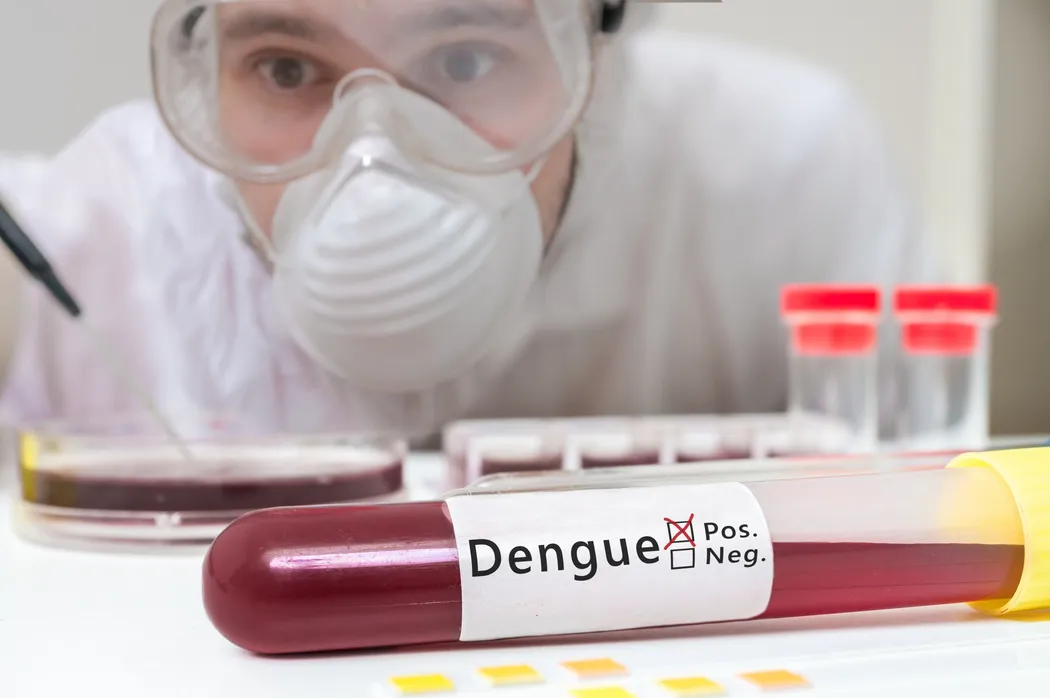
- Blood Tests: A blood test is the most common way to diagnose dengue. A dengue test or dengue profile test can detect the presence of the virus or antibodies produced by your immune system in response to the infection. These tests can help differentiate between primary and secondary infections.
- Polymerase Chain Reaction (PCR): Dengue PCR tests can detect the genetic material of the dengue virus. This method is highly accurate and can identify the specific type of virus, which is important for surveillance and outbreak control.
- Rapid Diagnostic Tests: Rapid test for dengue is a quick and convenient way to diagnose dengue. These tests detect the presence of dengue antigens or antibodies in your blood and provide results within a short period.
Differentiating between primary and secondary infections is crucial when it comes to the treatment of dengue. Primary infection refers to the first time a person contracts the dengue virus, while secondary infection occurs when a person is infected with a different serotype of the virus after recovering from a previous infection.
Treatment Of Dengue
The treatment of dengue involves:
1. Managing Symptoms of Dengue
- Headaches, joint pain, and muscle aches are common symptoms experienced by dengue patients. Over-the-counter pain relievers such as acetaminophen can help reduce these discomforts. However, it is important to avoid non-steroidal anti-inflammatory drugs (NSAIDs) like ibuprofen and aspirin, as they can increase the risk of bleeding.
- Nausea, vomiting, and gastrointestinal symptoms are also common during dengue infection. To manage these symptoms, it is recommended to consume small, frequent meals to prevent further irritation of the stomach.
- Staying hydrated is crucial, so drinking plenty of fluids can help replenish lost fluids and electrolytes.
- In severe cases of dengue, bleeding or organ dysfunction may occur. Prompt medical attention is necessary in such situations as the treatment may include blood or platelet transfusions.
2. Signs Indicating the Need for Hospitalization
Not all dengue cases require hospitalization, however, some people may require intensive care. Factors that influence the decision to admit dengue patients to the hospital include:
- Age of the patient
- Severity of symptoms
- Underlying health conditions such as diabetes, heart disease, or compromised immune system
Here are some of the signs that indicate the need for hospitalization:
- If the platelet count falls below a certain threshold (as determined by healthcare professionals), hospitalization may be necessary for close monitoring and intervention if needed.
- Fluctuation in vital signs such as temperature, blood pressure, heart rate, and respiratory rate can indicate worsening symptoms, hence requiring immediate medical attention.
- Patients with severe dengue can experience plasma leakage leading to fluid accumulation in tissues and organs. Regular assessment of fluid balance helps in determining the appropriate volume of fluids needed for resuscitation and preventing complications like shock.
3. Intravenous Fluid Replacement Therapy for Dengue
When it comes to managing this potentially life-threatening illness, rehydration is key to preventing complications like hypovolemic shock.
A. Role of rehydration in dengue treatment
Dengue can cause plasma leakage leading to decreased blood volume and electrolyte imbalances. Intravenous fluid replacement helps maintain adequate blood volume, and restore electrolyte balance, thus preventing hypovolemic shock.
B. Types of fluids used in intravenous fluid replacement therapy
- Crystalloids: These include isotonic saline and Ringer's lactate solution. They are commonly used to restore fluid balance and correct electrolyte disturbances.
- Colloids: These fluids contain large molecules like albumin or synthetic colloids, which help increase plasma volume more effectively than crystalloids.
The choice between crystalloids and colloids depends on the patient's condition, severity of symptoms, and ongoing monitoring.
C. Dosages and monitoring parameters
- The dosage of fluids is determined by the individual's weight, age, and clinical assessment by healthcare professionals.
- Monitoring parameters include vital signs, urine output, hematocrit levels, electrolyte levels, and clinical improvement.
Supportive Care and Home Remedies
Home remedies for dengue include:
1. Rest and Adequate Hydration
During the acute phase of dengue fever, it is crucial to get plenty of rest and ensure adequate hydration. Resting allows your body to conserve energy and focus on fighting the virus. It helps prevent further complications and speeds up recovery.
Dengue fever can cause excessive sweating and high fever, leading to dehydration. It is essential to drink plenty of fluids to replenish the lost fluids and avoid dehydration.
Recommended fluid intake:
- Water: Drink at least 8-10 glasses of water per day.
- Oral rehydration solutions (ORS):ORS helps replace electrolytes lost due to vomiting or diarrhoea that can occur during dengue fever.
- Coconut water: Coconut water is rich in electrolytes and can help rehydrate the body.
- Fruit juices: Fresh fruit juices like orange juice or pomegranate juice provide hydration as well as important vitamins and minerals.
2. Nutritional Considerations
Include a variety of fruits, vegetables, whole grains, and lean proteins in your meals. These foods provide essential nutrients that boost your immunity and aid in healing.
Foods to avoid during recovery:
- Spicy or oily foods: These can irritate the stomach lining and worsen symptoms like nausea or vomiting.
- Processed foods: Highly processed foods are often high in unhealthy fats and low in nutrients and may hinder the healing process.
Mosquito Control Measures
Measures to control mosquito breeding:
- To ensure no areas of stagnant water around your home or workplace empty containers such as flower pots, old tires, and buckets, where water may accumulate.
- Engage the community in mosquito control efforts by including the distribution of educational materials, hosting workshops, and encouraging the use of mosquito nets or window screens.
- Use mosquito repellents to protect yourself from mosquito bites.
Conclusion
It is crucial to seek medical attention promptly if you experience dengue symptoms and take necessary precautions to prevent mosquito bites. By emphasizing the importance of early detection, proper medical care, and preventive measures, we can effectively manage dengue fever.
Prevent dengue fever with
FAQs
FAQs
Is there a specific treatment for dengue?
There is no specific antiviral treatment for dengue. Treatment mainly focuses on relieving symptoms and preventing complications.
Is there a vaccine for dengue?
Yes, a vaccine called Dengvaxia has been developed to prevent dengue. However, its use is currently limited to certain age groups and regions with a high prevalence of the disease.
Are there any complications associated with dengue?
Complications of dengue can include organ damage, such as liver or heart problems, and bleeding disorders. These complications are more common in individuals with pre-existing health conditions.
Can dengue be transmitted from person to person?
No, dengue cannot be spread directly from one person to another. It can only be transmitted through the bite of infected mosquitoes.
Can pregnant women transmit dengue to their babi
Dengue transmission from mother to baby during pregnancy or delivery is rare but possible.


