In recent years, the conversation around weight management has shifted dramatically. If you have been following health news, you have likely heard about a new approach to shedding stubborn pounds: the diabetes injection for weight loss. Originally designed to help manage blood sugar levels, these groundbreaking medications have taken the world by storm due to their remarkable ability to help people lose weight safely and effectively. But how exactly does a medication meant for blood sugar management translate to shedding pounds? Is it safe for everyone? And what should you expect if your doctor recommends one? Navigating the world of medical weight loss can feel overwhelming, but it does not have to be. In this comprehensive guide, we will break down the science behind the diabetes injection for weight loss, explore the differences between various medications, bust common myths, and help you understand if this treatment is right for your unique health journey.
In this article
- How Does a Diabetes Injection for Weight Loss Work?
- Exploring the Weekly Injection Options for Diabetes and Weight Loss
- Is There an Insulin Injection for Weight Loss?
- Who Should Consider a Type 2 Diabetes Injection for Weight Loss?
- Potential Benefits and Side Effects of Diabetes Injection
- The Importance of Lifestyle Changes
- Conclusion
Diabetes Injection for Weight Loss: What You Need to Know
Learn how diabetes injections for weight loss work, including GLP-1 medications like semaglutide and tirzepatide, their benefits, side effects, and who may qualify for treatment.
Apollo Pharmacy
How Does a Diabetes Injection for Weight Loss Work?
How Does a Diabetes Injection for Weight Loss Work?
To understand how these medications work, we have to look at the digestive system. Most of the popular weight loss injections belong to a class of drugs known as GLP-1 receptor agonists (Glucagon-like peptide-1).
When you eat a meal, your gut naturally releases the GLP-1 hormone. This hormone tells your pancreas to release insulin (which controls blood sugar) and sends a signal to your brain that you are full. An injection for diabetes and weight loss works by mimicking this natural hormone.
Here is exactly how a weight loss injection for diabetes affects your body:
- Slows Down Digestion: The medication delays gastric emptying, meaning food stays in your stomach longer. This keeps you feeling full for hours after a meal.
- Reduces Appetite: By targeting the hunger centres in the brain, the medication drastically reduces cravings and the constant desire to snack, commonly known as "food noise."
- Improves Insulin Sensitivity: It helps your body use its own insulin more efficiently, which keeps blood sugar spikes at bay.
Because of these combined effects, people naturally consume fewer calories without feeling deprived, leading to significant and sustainable weight loss over time.
Exploring the Weekly Injection Options for Diabetes and Weight Loss
Exploring the Weekly Injection Options for Diabetes and Weight Loss
When exploring medical weight loss, you will quickly notice that most of these medications are not taken daily. Instead, the standard treatment is a weekly injection for diabetes and weight loss. This once-a-week dosing makes it highly convenient for patients to maintain their treatment plans.
Currently, there are two primary active ingredients dominating the market. While they share similarities, they work in slightly different ways:
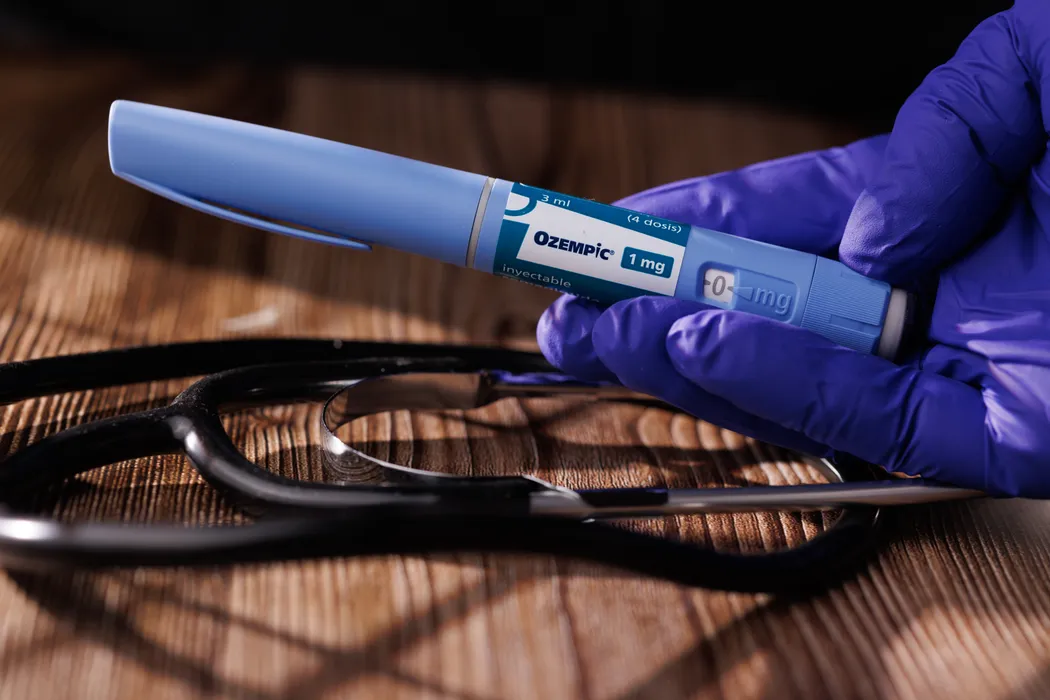
- Semaglutide: This is the active ingredient found in well-known medications like Ozempic (approved for type 2 diabetes) and Wegovy (approved for weight loss). It functions as a single-hormone (GLP-1) receptor agonist. For many, this diabetes weight loss injection has been life-changing, resulting in a loss of 10% to 15% of their total body weight over a year.
- Tirzepatide: Found in medications like Mounjaro (for diabetes) and Zepbound (for weight loss), this is a dual-hormone receptor agonist. It mimics both GLP-1 and another hormone called GIP. Because it targets two pathways, clinical trials have shown it can lead to even more significant weight loss.
It is important to note that while the active ingredients are the same, the branding changes depending on whether the FDA approved the specific pen for treating diabetes or for treating obesity.
Is There an Insulin Injection for Weight Loss?
Is There an Insulin Injection for Weight Loss?
A very common misunderstanding in the health and wellness community is the confusion between GLP-1 medications and insulin. Many people search the internet for an insulin injection for weight loss, assuming that because insulin treats diabetes, it must also be the drug causing the weight loss.This is entirely false. In fact, a weight loss insulin injection does not exist.
Insulin is a hormone that helps your cells absorb sugar from your bloodstream to use for energy. When you take insulin, any excess glucose that your body does not immediately need for energy is stored as fat. Because of this, insulin therapy often leads to weight gain, not weight loss. Therefore, if you hear someone talking about an injection for weight loss and diabetes, they are referring to GLP-1 receptor agonists like semaglutide or tirzepatide, not insulin. Understanding this difference is crucial when discussing treatment options with your healthcare provider.
Who Should Consider a Type 2 Diabetes Injection for Weight Loss?
Who Should Consider a Type 2 Diabetes Injection for Weight Loss?
These medications are highly effective, but they are not meant for someone looking to lose five pounds before a vacation. They are serious medical treatments designed for individuals struggling with obesity or weight-related medical conditions.
You and your doctor might consider a type 2 diabetes injection for weight loss if you meet the following criteria:
- You Have Type 2 Diabetes: If you have trouble managing your blood sugar and are also overweight, these medications are often a first-line treatment.
- You Have a High BMI: The weight-loss-specific versions of these medications are typically prescribed to adults with a Body Mass Index (BMI) of 30 or higher.
- You Have Weight-Related Health Issues: If your BMI is 27 or higher and you also suffer from a weight-related condition such as high blood pressure, high cholesterol, or sleep apnea, you may qualify for the medication.
Before starting any weight loss diabetes injection, your healthcare provider will review your personal and family medical history. Individuals with a personal or family history of medullary thyroid cancer or Multiple Endocrine Neoplasia syndrome type 2 (MEN 2) are typically advised against using GLP-1 medications.
Potential Benefits and Side Effects of Diabetes Injection
Potential Benefits and Side Effects of Diabetes Injection
Like all medical treatments, using a diabetic injection for weight loss comes with both incredible benefits and potential side effects. Being aware of these can help you prepare for your weight loss journey.
The Benefits
- Substantial Weight Loss: Clinical trials show that patients can lose anywhere from 10% to 20% of their body weight, depending on the medication and their lifestyle habits.
- Heart Health: Some of these medications have been proven to reduce the risk of major cardiovascular events, such as heart attacks and strokes, in adults with known heart disease.
- Lower Blood Sugar: For those with prediabetes or type 2 diabetes, these injections significantly lower A1C levels.
- Better Joint Health: Carrying less weight dramatically reduces the strain on your knees, hips, and lower back.
The Side Effects
Because these medications slow down your digestive system, the most common side effects are gastrointestinal. They usually occur when you first start the medication or when your doctor increases your dose.
- Nausea and vomiting
- Diarrhea or constipation
- Heartburn and acid reflux
- Stomach cramps
- Fatigue
A Note on Muscle Loss
One highly discussed side effect of rapid weight loss is the loss of lean muscle mass. When you eat significantly less, your body might break down muscle for energy. To combat this, doctors highly recommend prioritizing a high-protein diet and engaging in regular resistance training (like lifting weights) while taking a diabetes injection for weight loss.
The Importance of Lifestyle Changes
The Importance of Lifestyle Changes
It is vital to view a diabetes injection for weight loss as a tool, not a magic cure. The medication does the heavy lifting by removing constant hunger and cravings, giving you the mental space to make healthier choices. However, for long-term success, you must still put in the effort.
To get the most out of your medication, you should focus on:
- Nutrient-Dense Foods: Since you will be eating smaller portions, every bite counts. Focus on lean proteins, vegetables, whole grains, and healthy fats.
- Hydration: Nausea is a common side effect, and dehydration can make it much worse. Aim for at least eight glasses of water a day.
- Physical Activity: Incorporating both cardiovascular exercise (like walking or swimming) and strength training will help you lose fat while preserving your metabolism.
Conclusion
Conclusion
Diabetes injections for weight loss have revolutionised the way doctors approach obesity and metabolic health. By mimicking natural hormones that regulate appetite and digestion, medications like semaglutide and tirzepatide help people reduce calorie intake, improve blood sugar control, and achieve meaningful weight loss. However, these treatments are not a quick fix and should always be used under proper medical supervision. When combined with balanced nutrition, regular physical activity, and long-term lifestyle changes, diabetes weight loss injections can become a powerful tool for improving overall health, managing chronic conditions, and supporting sustainable weight management.
FAQs
FAQs
How much weight can you lose with a diabetes injection for weight loss?
Weight loss varies from person to person. However, clinical studies show that people using semaglutide (Wegovy) lose an average of 15% of their body weight over a year and a half, while those using tirzepatide (Zepbound) can lose upwards of 20%. Results depend heavily on diet and exercise.
Are these injections safe for people who do not have diabetes?
Yes. While initially created for diabetes, the FDA has approved specific versions of these medications (like Wegovy and Zepbound) specifically for chronic weight management in adults without diabetes who meet the BMI requirements.
Do I have to take the injection forever?
Obesity is considered a chronic condition. Studies show that if you stop taking the medication, the appetite-suppressing effects wear off, and most people regain a significant portion of the weight they lost. Currently, medical professionals view these medications as long-term or indefinite treatments.
Does insurance cover a weekly injection for diabetes and weight loss?
Insurance coverage varies wildly. If you have type 2 diabetes, your insurance is very likely to cover medications like Ozempic or Mounjaro. However, coverage for weight-loss-specific branding (Wegovy/Zepbound) depends entirely on your specific health insurance plan. It is best to call your insurance provider directly to ask about coverage for anti-obesity medications.
Can I just take the injection and not diet or exercise?
While you might still lose some weight initially without changing your habits, it is highly discouraged. Poor eating habits can worsen gastrointestinal side effects like nausea. Furthermore, without a healthy diet and exercise, you risk losing valuable muscle mass instead of just fat, which can harm your long-term metabolism.


