0

Diabetes and Weight Loss Medications: Your Guide to Health

Explore the connection between diabetes management and weight loss medications. Learn about treatment options, benefits, and how to improve your health outcomes.

article image

Apollo Pharmacy

If you or a loved one is currently navigating a diabetes diagnosis, you already know that keeping your blood sugar in check is a daily balancing act. But did you know that your body weight plays a massive role in this daily equation? Recently, there has been an incredible amount of buzz in the medical world surrounding diabetes medicine for weight loss. These groundbreaking, innovative treatments are helping patients manage their blood sugar levels while simultaneously shedding extra, unwanted pounds.

However, the overall relationship between a diabetes diagnosis and your body weight can be quite confusing. Does having high blood sugar make you gain weight, or does it make you lose weight? Should you be actively trying to slim down?

In this comprehensive, easy-to-understand guide, we will break down the science of how your body processes sugar, explore why unexplained weight changes happen, and explain how the newest diabetes medicine for weight loss can safely support your long-term health journey.

The Complex Link Between Diabetes and Your Weight

When stepping on the scale, a frequent question in doctors' offices is, does diabetes cause weight loss or gain? The simple truth is that it can actually do both, depending on the type of diabetes you have and how well your condition is being managed.

Before we look at modern treatments, it is essential to understand how the body uses energy. When you eat, your body breaks down food into glucose (sugar). Your pancreas then releases insulin, a hormone that acts like a key, unlocking your cells so glucose can enter and be used for energy. When you have diabetes, this system breaks down.

Because of this broken system, people often wonder, in diabetes, whether weight gain or loss is the standard. Typically, insulin resistance (the hallmark of type 2 diabetes) is closely associated with obesity and weight gain. Extra body fat makes it harder for your body to use insulin correctly. However, if diabetes goes completely untreated, it can trigger sudden, severe, and unintentional weight loss.

Get Nutritional Supplements To Aid Your Weight Loss

Unexplained Weight Drops: The Warning Signs

If you are eating your usual diet but still rapidly dropping pounds, you might worry and ask, " Will diabetes cause weight loss? Yes, it certainly can. Unplanned weight reduction is actually one of the primary warning signs of undiagnosed diabetes.

But does diabetes cause weight loss in every single person? No. It typically only happens when your blood sugar levels are dangerously high, and your body cannot get glucose into your cells for energy.

The primary reason why diabetes causes weight loss in untreated cases comes down to cellular starvation. Even if you are eating large meals, your cells are starving because the glucose is trapped in your bloodstream. To survive, your body panics and starts burning stored fat and muscle mass for emergency energy. This biological process explains exactly why there is weight loss in diabetes before you start receiving proper medical care. It is a sign of distress, not a healthy diet plan, and it requires immediate medical attention.

Understanding the Shifts in Type 2 Diabetes

Patients newly diagnosed often ask, " Does type 2 diabetes cause weight loss or gain? As mentioned earlier, weight gain is a major risk factor for developing the disease. Extra weight causes your cells to become resistant to insulin. But what happens once the disease progresses?

Sudden weight loss in type 2 diabetes is usually a warning sign that the pancreas is failing to produce enough insulin to keep up with your body's demands. Additionally, when your blood sugar is excessively high, your kidneys have to work overtime to filter out the excess sugar. This excess sugar is then flushed out of your body through your urine, taking liquid and calories right along with it.

If you want to know why weight loss in diabetes occurs despite eating a lot and drinking sugary beverages, this calorie-flushing process is the main culprit. To safely achieve weight loss in type 2 diabetes, you need proper medical guidance to ensure you are losing fat healthily, rather than losing muscle and water weight due to out-of-control blood sugar.

How Does Diabetes Medicine for Weight Loss Work?

Once your doctor has helped you stabilise your blood sugar, the next goal is often achieving a healthier body weight. Losing just 5% to 10% of your body weight can dramatically improve your insulin sensitivity, lower your blood pressure, and reduce your cholesterol.

This is exactly where a modern diabetes medicine for weight loss becomes incredibly helpful. Many of the newer medications prescribed for type 2 diabetes have the highly beneficial side effect of weight reduction. They generally work in three distinct ways:

  • Slowing down digestion: They keep food in your stomach for a longer period, making you feel full much faster and for a longer time.
  • Signalling the brain: They target the appetite-regulation centres in your brain, significantly reducing food noise, cravings, and the urge to overeat.
  • Boosting insulin appropriately: They help your pancreas release the perfect amount of insulin only when blood sugar levels are high

Popular Types of Diabetes Medicine for Weight Loss

There are several highly effective medications available today. Your doctor will help you decide which diabetes medicine for weight loss is right for your unique health profile.

GLP-1 Receptor Agonists

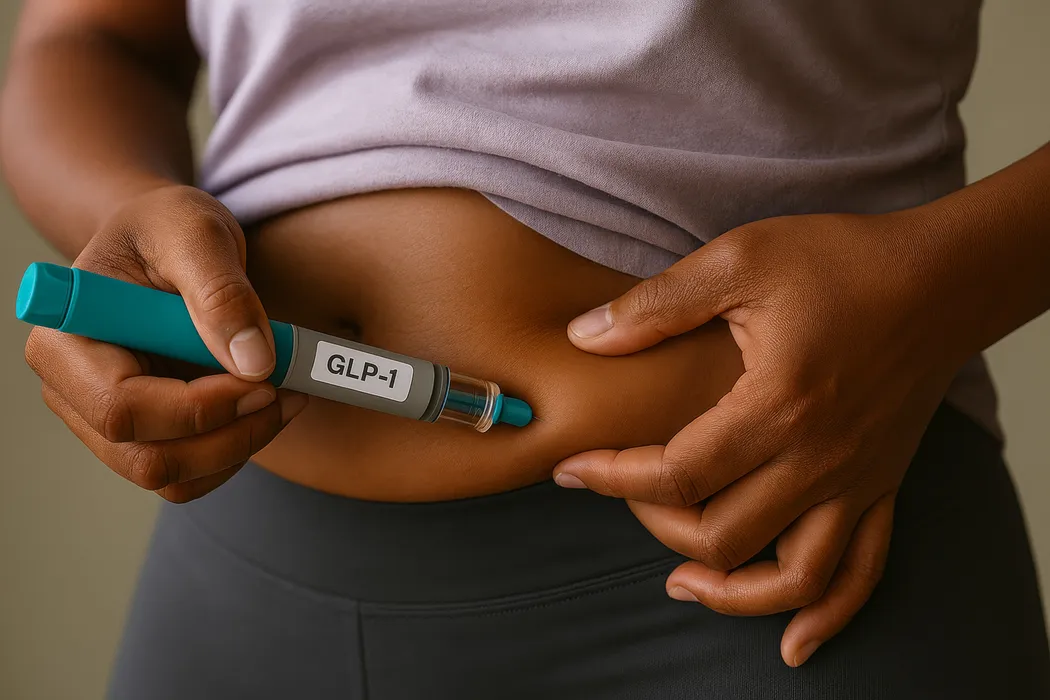
This class of medication has made major headlines globally. Medications like Semaglutide (often known by brand names like Ozempic or Wegovy) and Liraglutide (Victoza, Saxenda) are usually administered via a once-weekly injection. They mimic a natural hormone in your intestines that tells your brain you are full after eating.

Dual GIP/GLP-1 Agonists

Tirzepatide (Mounjaro, Zepbound) is an even newer diabetes medicine for weight loss. It targets two different hunger hormones simultaneously, which studies show can lead to even more significant weight management results for patients with type 2 diabetes.

SGLT2 Inhibitors

Medications in this family, such as Empagliflozin (Jardiance) and Dapagliflozin (Farxiga), come in pill form. They work by helping your kidneys remove sugar from your body through your urine. Because you are shedding sugar, you are also shedding calories, which can lead to a modest amount of weight loss.

Metformin

Metformin is usually the very first daily pill prescribed for type 2 diabetes. While it can sometimes lead to a small drop in weight (around 2 to 5 pounds), it is not primarily considered a strong diabetes medicine for weight loss. Its main job is to stop your liver from producing too much glucose.

Benefits and Potential Side Effects

Like all medical treatments, taking a diabetes medicine for weight loss comes with both pros and cons. You should weigh these carefully with your healthcare provider.

The Benefits:

  • Excellent, long-term blood sugar control.
  • Reduced risk of serious cardiovascular events, like heart attacks and strokes.
  • Sustainable weight loss when combined with a healthy lifestyle.

Potential Side Effects:

  • Gastrointestinal issues, including nausea, vomiting, or upset stomach (especially when you first start the medication or increase the dose).
  • Changes in bowel habits, such as diarrhoea or constipation.
  • Loss of muscle mass, which can happen if you lose weight rapidly without doing strength training or eating enough protein.

Combining Medication with a Healthy Lifestyle
 

It is incredibly important to remember that a diabetes medicine for weight loss is not a magic cure-all. To get the very best results and keep the weight off for good, these medications must be paired with daily, healthy habits.

  • Eat a Nutritious Diet: Because these medications reduce your appetite, you will be eating less. Make every single bite count by choosing nutrient-dense foods like lean proteins, whole grains, and leafy green vegetables.
  • Stay Active: Aim for at least 150 minutes of moderate exercise per week, like brisk walking, cycling, or swimming. Be sure to add some light weightlifting to protect your muscle mass as you slim down.
  • Stay Hydrated: Some of these medications can blunt your thirst mechanism or cause mild dehydration. Drink plenty of water throughout the day.

Conclusion

The landscape of metabolic health is undergoing a profound shift. The emergence of highly effective medications for managing diabetes and weight loss represents more than just a medical advancement; it marks a move toward a more integrated, biological approach to treating chronic conditions.

FAQs

Can I use diabetes medication just to lose weight even if I don't have diabetes?

While some medications originally developed for diabetes (like Wegovy or Zepbound) are now FDA-approved specifically for chronic weight management in non-diabetics, you should never use a prescription drug without strict medical supervision. Always consult your doctor to see if you qualify.

Will I regain the weight if I stop taking the medication?

Yes, clinical studies show that many people do regain a significant amount of weight after they stop taking these medications. Doctors emphasise that obesity and diabetes are chronic conditions. They require long-term management, which may include taking medication long-term alongside permanent lifestyle and dietary changes.

How fast does a diabetes medicine for weight loss work?

Weight loss on these medications is usually safe and gradual. Most patients begin to see noticeable changes on the scale and in how their clothes fit within the first two to three months. However, it can take up to a year to see the maximum weight loss benefits.

Are these weight loss medications covered by health insurance?

Insurance coverage varies widely depending on your specific provider, your plan, and your medical diagnosis. If the medication is prescribed specifically to manage type 2 diabetes, it is very frequently covered. If it is prescribed solely for weight loss without a diabetes diagnosis, coverage might be much more limited.

Can people with Type 1 diabetes take these medications?

Currently, most of these specific weight loss medications are only FDA-approved for treating type 2 diabetes and clinical obesity. People with type 1 diabetes do not produce any insulin, so their treatment needs are entirely different. Type 1 diabetics should always consult their endocrinologist before attempting any weight loss programs or new medications.

Apollo 247 Floating Action Button