0

Diaper Rash Care: Choosing the Right Cream in India

Learn how to choose the best diaper rash cream in India, including key ingredients, types, and tips to soothe and protect your baby’s sensitive skin.
 

article image

Dr. Kamran

Parenthood comes with many small joys, along with a few everyday concerns. One of the more common ones is diaper rash. It can be worrying to see your baby’s skin turn red or irritated, especially when they seem uncomfortable. The good part is that diaper rash is quite common and usually manageable with the right care.

Using a suitable diaper rash cream can help soothe the skin and protect it from further irritation. It may also reduce the chances of the rash coming back, especially when used regularly as part of your baby’s hygiene routine.

With so many options available today, choosing the right product can feel confusing. You may find yourself comparing ingredients, safety, and effectiveness, not always sure what works best for your baby’s skin. This guide covers what causes diaper rash, what to look for in a cream, and how to choose a suitable option available in India to keep your baby’s skin comfortable and healthy.
 

Understanding Diaper Rash: Causes and Symptoms

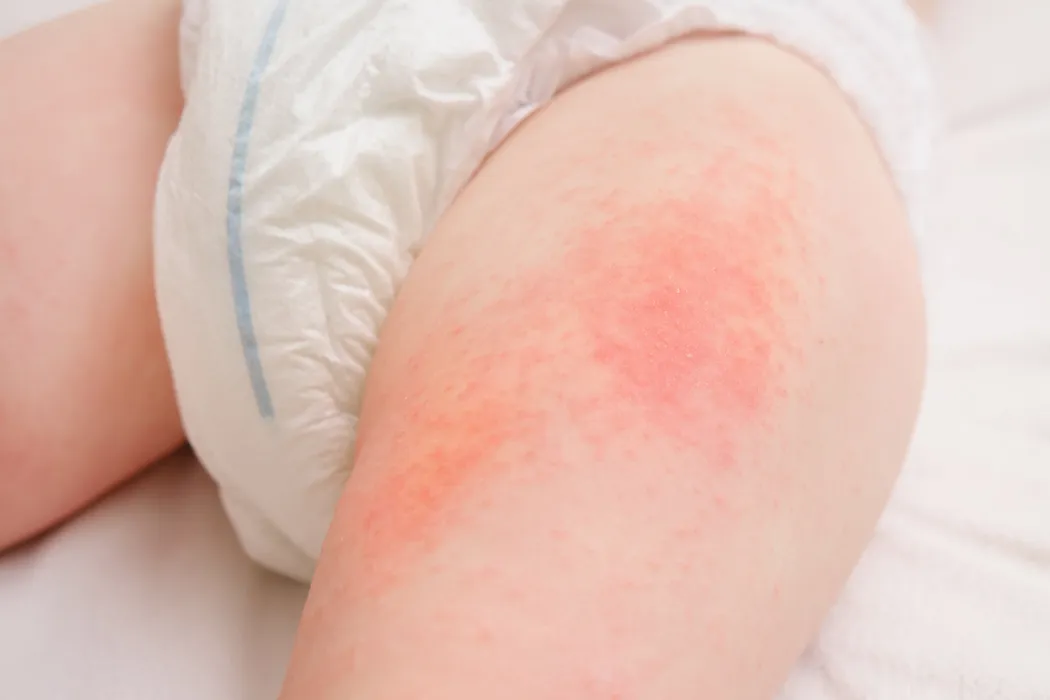
Before looking at treatment options, it helps to understand why diaper rash happens in the first place. Diaper rash is a type of skin irritation that usually appears as red, inflamed patches on a baby’s bottom. At times, the skin may look slightly swollen, feel warm, or seem tender when touched. Some babies may also appear fussier than usual due to the discomfort.

Diaper rash usually develops due to a mix of moisture, friction, and skin sensitivity. When the skin stays damp for too long, its natural barrier weakens, making it easier for irritation to occur.

  • Prolonged wetness: Even highly absorbent diapers may not keep the skin completely dry. When urine and stool remain in contact with the skin, they can create an environment that irritates and breaks down the skin’s protective layer over time.
  • Friction and chafing: Tight diapers or constant rubbing against the skin can lead to redness and soreness. This is more likely in areas where the diaper fits snugly, such as around the thighs and waist.
  • Changes in diet: Introducing new foods or formula can alter the consistency and frequency of a baby’s stool. This may make the skin more prone to irritation, especially during frequent diaper changes.
  • Sensitive skin: Babies with naturally sensitive skin or conditions such as eczema may react more easily to moisture, certain diaper materials, or even wipes, increasing the likelihood of a rash.

When you notice redness or irritation, using a suitable diaper rash cream can help protect the skin. These creams form a gentle barrier over the skin, helping to reduce exposure to moisture and allowing the irritated area to recover more comfortably.
 

Key Ingredients in the Best Diaper Rash Creams

When choosing a diaper rash cream, it helps to look beyond brand names and focus on the ingredients. Different ingredients work in different ways, some protect the skin, while others soothe irritation or support healing. Knowing what each one does can make it easier to pick something that suits your baby’s skin.

1. Zinc Oxide

Zinc oxide is one of the most commonly used ingredients in diaper rash creams, and for good reason. It forms a protective layer over the skin, helping to block moisture from coming into direct contact with irritated areas. This barrier may allow the skin to recover while reducing further irritation.

Most creams contain varying concentrations of zinc oxide. Products with moderate to higher levels are often used when the rash appears more noticeable or persistent.

2. Petroleum Jelly (Petrolatum)

Petroleum jelly works mainly as a skin protectant. It creates a seal over the skin, helping to lock in natural moisture while keeping external wetness out. This can be useful in preventing rashes, especially when applied regularly.


It is often found in ointment-based products, which tend to feel thicker and may stay on the skin longer compared to lighter creams.

3. Lanolin

Lanolin is known for its moisturising properties. It helps soften dry, irritated skin and may reduce flakiness or peeling in affected areas. This can be particularly helpful when the rash is linked to dryness rather than just moisture.

Since it is derived from natural sources, it is often included in products designed for gentle skin care, although it may not suit every baby.

4. Natural and Herbal Soothers

Many creams also include plant-based ingredients that may help calm irritated skin. These are often chosen by parents looking for gentler options.

  • Aloe vera: Known for its cooling effect, it may help soothe redness and discomfort.
    Calendula: Often used for its calming properties, it may support skin healing.
  • Almond oil: Helps keep the skin soft and moisturised.
  • Yashada bhasma: An Ayurvedic form of zinc that may offer protective and soothing benefits.

These ingredients are generally milder, which may make them suitable for babies with more sensitive skin. However, it is still a good idea to check how your baby’s skin responds when trying a new product.


Explore Baby Rash Cream Here
 

Load more products

How to Choose the Right Product for Your Baby?

Many parents wonder which diaper rash cream will work best, but there isn’t a one-size-fits-all answer. The right choice often depends on your baby’s skin type, how severe the rash is, and how frequently it occurs.

Creams vs. Ointments: What’s the Difference?

Understanding the texture and purpose of each type can make selection easier.

  • Creams: These are lighter in texture and spread easily over the skin. They tend to feel less greasy and may be suitable for daily use, especially to help prevent rashes during regular diaper changes.
  • Ointments: These are thicker and form a stronger protective layer. They may stay on the skin longer, making them useful for overnight use or when the rash looks more irritated or persistent.

Considerations for Your Baby’s Age and Skin

Different babies may respond differently to the same product, so it helps to choose based on individual needs.

  • For newborns: A newborn’s skin is still developing and can be more sensitive. It’s better to choose products that are fragrance-free and designed for gentle use, with minimal additives.
  • For sensitive skin: If your baby tends to react easily, it may help to avoid products with added fragrance, dyes, or harsh preservatives. Simpler formulations are often better tolerated.
  • For cloth diapers: Some thicker creams, especially those high in zinc, may leave residue on cloth diapers and affect their absorbency. In such cases, lighter, cloth-friendly options may be more practical.

When choosing a product, it can help to think about whether you are trying to prevent a rash or treat one that has already developed. Lighter creams may work well for everyday protection, while thicker formulations are often used when the skin needs extra protection and care.
 

Top Categories of Diaper Rash Creams in India

With so many brands available, most diaper rash creams tend to fall into a few broad categories. Understanding these can make it easier to narrow down what might suit your baby’s needs.

1. Ayurvedic and Herbal Creams

These products often combine traditional ingredients with modern formulations. They usually include plant-based components that may help soothe and calm irritated skin.
Common ingredients: Almond oil, aloe vera, herbal extracts, and natural forms of zinc
Best suited for: Parents who prefer milder, plant-based options for everyday care
What to expect: A gentler approach that may work well for mild rashes or regular use

2. Dermatological Zinc Creams

These creams are widely recommended for managing more noticeable diaper rash. They typically contain higher concentrations of zinc oxide, which forms a strong protective barrier over the skin.

  • Common ingredients: Zinc oxide in moderate to high percentages
  • Best suited for: Redness that looks more inflamed or persistent
  • What to expect: A thicker texture that may stay on the skin longer and offer more protection

3. Everyday Barrier Ointments

These are simpler formulations designed mainly to protect the skin from moisture. They are often used as part of a daily routine to help reduce the chances of a rash developing.
Common ingredients: Petroleum jelly, panthenol, or other moisturising agents

  • Best suited for: Preventive use during regular diaper changes
  • What to expect: A smooth, slightly greasy layer that helps keep moisture away from the skin

Choosing between these categories usually depends on whether you are looking for daily protection or something to manage an active rash. In many cases, parents keep more than one type at hand for different situations.

With easy access to online platforms, it has become simpler to compare ingredients, read reviews, and choose a product that fits your preferences and your baby’s comfort.
 

Step-by-Step Guide: How to Apply Diaper Rash Cream?

Even a good diaper rash cream may not work as expected if it isn’t applied properly. Following a simple, consistent routine can help protect your baby’s skin and support healing.


Steps to follow:

  • Wash your hands: Start with clean hands to reduce the chance of transferring germs to your baby’s skin, especially when it is already irritated.
  • Clean the area: Gently clean the diaper area using lukewarm water and a soft cloth, or use fragrance-free, alcohol-free wipes. Try not to rub the skin, as this can make the irritation worse.
  • Pat dry: Let the skin dry completely before applying any product. You can allow a bit of air drying time or gently pat with a soft towel. Applying cream on damp skin may trap moisture and slow down recovery.
  • Apply a thick layer: Instead of rubbing it in like a lotion, spread a visible layer of cream over the affected area. The idea is to create a protective coating that sits on top of the skin.
  • Secure the diaper: Put on a clean diaper and keep it slightly loose. This may help reduce friction and allow better airflow around the skin.

If your baby tends to develop rashes overnight, applying a slightly thicker layer before bedtime may offer added protection, as the diaper is usually worn for a longer stretch without changes.
 

Prevention: Keeping the Rash Away

Once you find a diaper rash cream that suits your baby, combining it with a few simple habits can help reduce the chances of rashes coming back. Small, consistent steps often make a noticeable difference over time.


Things that can help:

  • Frequent diaper changes: Try to change your baby’s diaper as soon as it becomes wet or soiled. Keeping the skin clean and dry may help prevent irritation from building up.
  • Naked time: Giving your baby some time without a diaper can allow the skin to breathe. Even 10 to 15 minutes a day on a clean, waterproof mat may help keep the area dry.
  • Choose the right diaper size: A diaper that is too tight can trap moisture and increase friction against the skin. A well-fitting diaper allows some airflow and reduces rubbing.
  • Avoid irritants: It may help to stay away from heavily scented wipes and powders, especially talcum powder. Using mild, fragrance-free products is usually a safer choice for sensitive skin.
     

When to See a Doctor?

Most diaper rashes tend to improve within a few days with regular care and the use of a suitable cream. However, if the rash persists or starts to look more severe, it may need medical attention. Paying attention to a few warning signs can help you decide when it’s time to consult a doctor.

Signs to watch for:

No improvement after a few days: If the rash does not show any signs of settling within 3 to 4 days, even after using a diaper rash cream and maintaining good hygiene, it may indicate that the irritation is not responding to basic care and needs further evaluation.
Blisters or peeling skin: The appearance of small fluid-filled blisters, cracked areas, or peeling skin may suggest deeper skin involvement. This can be more uncomfortable for the baby and may not heal with standard creams alone.

  • Oozing or bleeding: If the affected area looks raw, starts oozing fluid, or bleeds easily, it is a sign that the skin barrier is significantly damaged. This increases the risk of infection and should be assessed by a doctor.
  • Fever: A fever along with a diaper rash may point towards an infection rather than simple irritation. This is especially important to watch for in younger babies.
  • Rash spreading beyond the diaper area: If the redness spreads to areas like the stomach, back, or thighs, it may not be a typical diaper rash. This could indicate a fungal or bacterial cause that requires specific treatment.

In such situations, a paediatrician can examine the rash and suggest appropriate treatment. This may include medicated creams, such as antifungal or antibacterial options, depending on the underlying cause. Early guidance can help prevent the condition from worsening and make your baby more comfortable sooner.

Explore Baby Rash Cream Here
 

Load more products

Conclusion

Diaper rash is a common part of early baby care, and while it can be uncomfortable for your little one, it is usually manageable with the right approach. Choosing a suitable diaper rash cream, along with maintaining good hygiene and regular diaper changes, may go a long way in keeping your baby’s skin healthy.

What works best can vary from one baby to another, so it often takes a bit of observation and adjustment to find the right product and routine. Paying attention to how your baby’s skin responds can help you make more informed choices over time.
With a combination of gentle care, the right ingredients, and timely attention to any changes, you can help keep diaper rashes under control and ensure your baby stays as comfortable as possible.
 

FAQS

How often should I use a baby diaper rash cream?

You can use a diaper rash cream during most diaper changes, especially if your baby already has a rash or tends to develop one easily. Applying a thin protective layer regularly may help reduce irritation. For prevention, many parents use a lighter barrier cream once or twice a day as part of their routine.

Which diaper rash cream is better for my baby: a cream or an ointment?

It usually depends on how the skin looks. Ointments tend to be thicker and may work better as a protective barrier, especially overnight or when the skin is dry. Creams are lighter and may be easier to use during the day. For more noticeable redness or irritation, thicker formulations with zinc oxide are often preferred.

Can I buy a diaper rash cream online without a prescription?

Yes, most diaper rash creams are available without a prescription. Common ingredients like zinc oxide, calendula, and petroleum jelly are widely used and can be found across pharmacies and trusted online platforms in India. It still helps to check the ingredient list before choosing a product.

Is zinc oxide safe for newborns?

Zinc oxide is generally considered safe and is commonly used in products designed for newborns. It works by forming a protective layer on the skin rather than getting absorbed, which makes it suitable for delicate skin when used as directed.

Why is my baby’s diaper rash not improving even after using a cream?

If the rash does not improve after a few days of regular care, there may be another underlying cause. In some cases, fungal or bacterial infections can develop in the diaper area, especially in warm and moist conditions. These usually need specific treatment, so it’s best to consult a paediatrician if the rash persists or worsens.

Apollo 247 Floating Action Button