When it comes to shedding extra pounds, most people focus entirely on what they eat. However, science and nutrition experts agree that when you eat is just as important. Establishing a consistent diet timetable for weight loss can transform your metabolism, keep your blood sugar stable, and prevent late-night cravings. If you are starting your health journey, you might feel overwhelmed by the sheer amount of information available. This guide is designed to simplify things. We will explore how to build a routine that works for your lifestyle, provide a sample schedule, and answer all your questions about how to time your meals for the best results
In this article
- Why an Eating Time Table for Weight Loss Matters?
- How to Plan a Diet for Weight Loss: The Basics
- Step-by-Step: How to Make Your Own Diet Plan for Weight Loss
- The Best Time Table for Weight Loss
- 7 Day Diet Time Table for Weight Loss
- Special Considerations: Weight Loss Time Table for Women
- Don’t Forget Your Exercise Time Table for Weight Loss
- Tips on How to Follow a Diet Plan for Weight Loss
- Conclusion
Diet Time Table for Weight Loss: Your Complete Guide
Learn the best diet timetable for weight loss with a daily schedule, meal timing tips, and a 7-day plan. Discover how proper meal timing supports metabolism and healthy weight loss.
Dr. Mayank
Why an Eating Time Table for Weight Loss Matters?
Our bodies run on an internal clock known as the circadian rhythm. According to Harvard Health Publishing, aligning your eating habits with your body’s natural clock helps optimise digestion and metabolic function. Having a consistent eating timetable for weight loss prevents extreme hunger, which is one of the leading causes of binge eating. Creating a reliable weight loss timetable helps your body know when to expect fuel. When you skip meals, your body often holds on to fat as a survival mechanism. By establishing a structured weight loss food timetable, you keep your metabolism active throughout the day and help your body burn calories more efficiently.
How to Plan a Diet for Weight Loss: The Basics
If you have ever wondered how to plan a diet for weight loss, the process begins with understanding your own body. Before setting specific meal times, you need to understand the fundamentals of a calorie deficit.
Here are the essential steps to get started:
1. Understand Your Caloric Needs
Before learning how to make a diet plan for weight loss, you must determine how many calories your body burns at rest (your Basal Metabolic Rate, or BMR). Once you know your BMR, you can understand how to calculate a diet plan for weight loss targets. The Centres for Disease Control and Prevention (CDC) recommends a deficit of about 500 calories per day to lose roughly 1 pound per week safely.
2. Choose Whole Foods
A structured diet table for weight loss will only work if it contains nutrient-dense foods. Focus on:
- Lean proteins
- Whole grains
- Healthy fats
- Plenty of vegetables
3. Determine Your Meal Layout
People often ask exactly how to weight loss diet plan effectively. The easiest approach is to spread your calories across three main meals and two small snacks. A visual table for weight loss can help you distribute these calories evenly so that you never feel overly hungry
Step-by-Step: How to Make Your Own Diet Plan for Weight Loss
Taking control of your health means learning how to make your own diet plan for weight loss rather than relying on generic fad diets.
Here is a simple approach:
- Set realistic goals
The Mayo Clinic recommends aiming for 1 to 2 pounds of weight loss per week. - Balance your plate
Understanding how to make a proper diet plan for weight loss means ensuring each meal includes:
- Protein
- Fibre
- Healthy fats
- Map out your meals
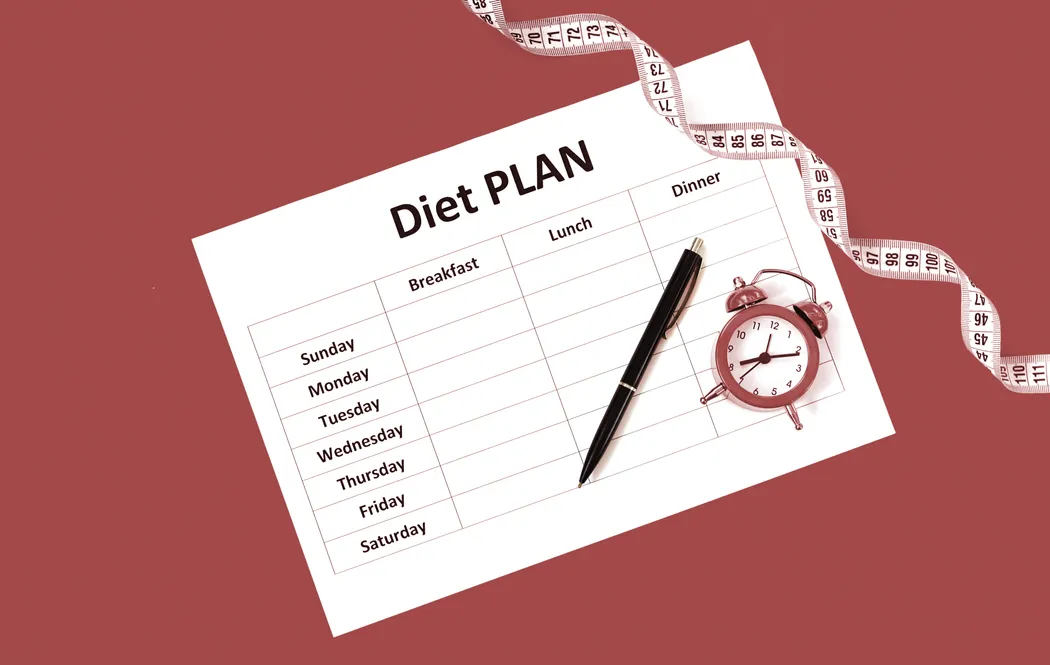
Designing a physical weight loss table where you write down meal times helps reinforce your commitment. - Stay flexible
When learning how to diet plan for weight loss, remember that schedules can change. Your routine should allow some flexibility.
Whether you are exploring how to do a diet plan for weight loss for the first time or improving an existing routine, consistency is key.
The Best Time Table for Weight Loss
The best time table for weight loss is the one that fits your daily routine and can be followed consistently. Generally, nutrition experts recommend eating within a 10 to 12-hour window during the day. Below is a simple weight loss diet chart with time allocations. You can adjust this timetable for weight loss based on your waking and sleeping schedule.
Sample Daily Schedule
- 7:00 AM – Hydration
Drink a large glass of warm water, optionally with lemon. - 8:00 AM – Breakfast
Do not skip breakfast. A high-protein meal, such as eggs or Greek yoghurt, helps kick-start your metabolism. - 11:00 AM – Mid-Morning Snack
Have a small snack like fruit or a handful of almonds. - 1:30 PM – Lunch
This should be the most substantial meal in your diet food timetable for weight loss. Include:
- Lean protein
- Complex carbohydrates such as quinoa or brown rice
- Vegetables
- 4:30 PM – Evening Snack
A small snack, such as carrot sticks with hummus, can prevent overeating at dinner. - 7:30 PM – Dinner
Keep dinner light. Grilled chicken or fish with steamed vegetables is a good option. Try to finish eating two to three hours before bedtime.
Following this food timetable for weight loss gives your body enough time to digest food before sleep.
7 Day Diet Time Table for Weight Loss
Combining meal planning with structured timing can significantly improve results. A diet plan for weight loss with a timetable ensures you always know what and when you will eat. Creating a 7-day diet timetable for weight loss involves applying the daily schedule above to a full week of meals.
Helpful tips include:
- Prepare meals in advance on Sunday
- Keep healthy snacks readily available
- Display your weight loss diet table on your refrigerator as a reminder
Planning reduces the likelihood of choosing fast food or unhealthy snacks when you are busy.
Special Considerations: Weight Loss Time Table for Women
Hormones influence how the body processes food and stores fat. Therefore, a weight loss timetable for women may require slight adjustments depending on factors such as age, menstrual cycles, and stress levels. If you are searching for a time table weight loss diet chart female focused routine, it is helpful to prioritise nutrients such as:
- Iron
- Calcium
- Healthy fats
Women often benefit from slightly larger mid-morning snacks to keep blood sugar stable and reduce stress hormone levels. A consistent weight loss diet timetable can support hormonal balance and make weight management easier.
Don’t Forget Your Exercise Time Table for Weight Loss
Diet alone is rarely enough to achieve optimal results. Pairing your meals with an exercise timetable for weight loss can significantly improve fat loss and overall fitness.
Morning Workouts
Exercising before breakfast, sometimes called fasted cardio, may help burn stored fat. However, it is important to eat a protein-rich breakfast afterwards.
Afternoon or Evening Workouts
If you exercise later in the day, eat a small snack about one hour before your workout to provide energy. Combining meal timing with exercise is an effective strategy when learning how to plan a diet for weight loss.
Tips on How to Follow a Diet Plan for Weight Loss
Understanding how to make a diet plan for weight loss is only half the challenge. Staying consistent is equally important.
Here are practical tips to help you follow your routine:
- Set reminders
Use phone alarms to remind yourself when it is time for meals or snacks. - Stay hydrated
Sometimes thirst is mistaken for hunger. Drink water between meals. - Prepare food in advance
Washing and chopping vegetables ahead of time makes healthy eating easier. - Allow occasional treats
A rigid diet can lead to burnout. Enjoy a relaxed meal once a week. - Track your progress
Keeping a journal helps you understand how your body responds to your diet plan for weight loss.
Conclusion
Creating a structured diet timetable for weight loss can make healthy eating far more manageable and effective. By aligning your meals with your body’s natural rhythms, you support better digestion, balanced energy levels, and improved metabolism. A well-planned schedule that includes balanced meals, healthy snacks, and proper hydration helps prevent overeating and late-night cravings. Combining this routine with regular physical activity further enhances your weight loss results. Most importantly, consistency and flexibility are key to maintaining a diet timetable that fits your lifestyle and supports long-term health.
FAQs
FAQs
Does meal timing really matter for weight loss?
Yes. While calorie intake is the most important factor, meal timing helps regulate metabolism, appetite, and blood sugar levels. Consistent meal timing prevents extreme hunger that can lead to overeating.
Can I skip breakfast on my diet timetable for weight loss?
Although some people follow intermittent fasting successfully, organisations such as the Mayo Clinic suggest that skipping breakfast may lead to increased hunger and poor food choices later in the day.
What is the best time to eat dinner?
The Cleveland Clinic recommends finishing dinner two to three hours before bedtime to allow proper digestion and improve sleep quality.
How do I start making my own weight loss diet table?
Start by identifying your wake-up and bedtime. Schedule three meals and two snacks roughly three to four hours apart, and fill them with balanced, whole foods.
Should I eat before or after exercise?
If you exercise in the morning, you may work out on an empty stomach and eat afterwards. For afternoon workouts, have a light snack about 45 minutes before exercising.


