0

Do Babies Need an Antibiotic for Baby Fever?

Learn when babies need antibiotics for fever, why most fevers are viral, and how to safely manage symptoms at home with expert-backed guidance.

article image

Dr. Kamran

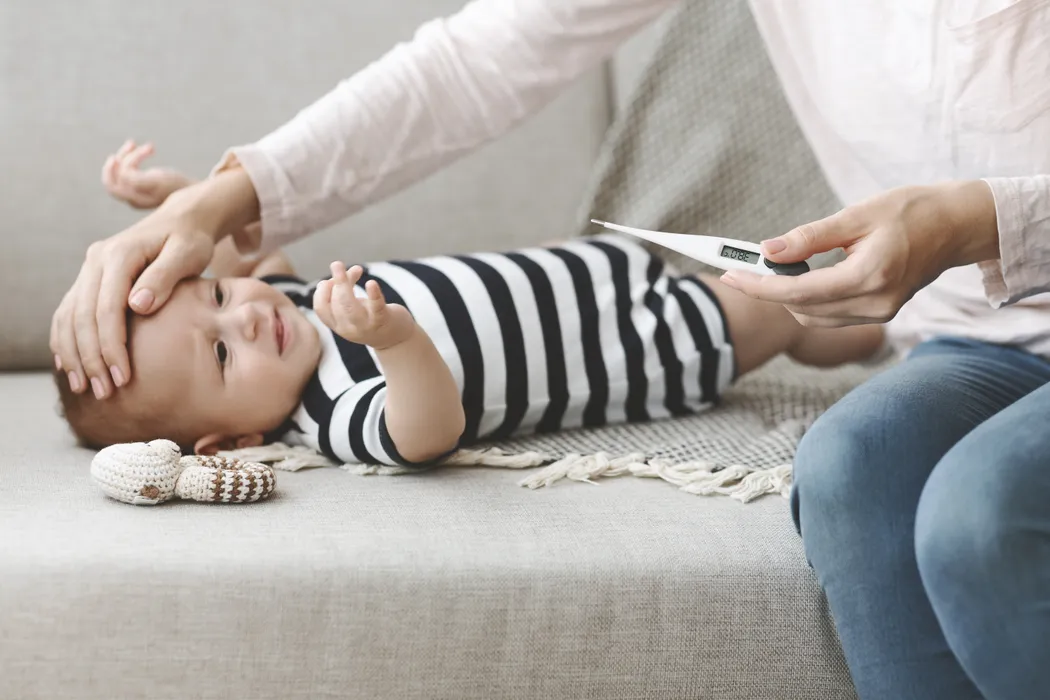
There is nothing quite as anxiety-inducing for a parent as realising your baby has a fever. When your little one feels warm, irritable, and uncomfortable, it is completely natural to want a quick and effective solution. Many parents immediately wonder whether an antibiotic for baby fever is necessary to help their child recover faster.

However, it can be surprising when a paediatrician recommends simple care at home instead of prescribing medication. This often leads to confusion, especially when your instinct is to treat the fever as quickly as possible.

The key thing to understand is that fever itself is not a disease. It is a symptom and, in many cases, a positive sign that your baby’s immune system is actively fighting an infection. Antibiotics are only effective against bacterial infections, not viral ones, which are the most common cause of fever in babies.

In this guide, we will explore why an antibiotic for baby fever is not always required, what typically causes fever in infants, and how you can safely support your baby’s recovery at home.

What Causes Fever in Babies?

Before discussing treatments, it helps to understand what is happening inside your baby’s body. A normal temperature for infants usually ranges between 36.4°C to 37.5°C. A fever is generally defined as a temperature of 38°C or higher.

Fever is regulated by the hypothalamus, the part of the brain that controls body temperature. When your baby’s body detects an infection, this internal “thermostat” raises the temperature slightly. This creates an environment that may make it harder for germs to survive, while also helping the immune system respond more effectively.

The most common causes of fever in babies include:

  • Viral infections: Most fevers in babies are caused by viruses. These may include the common cold, influenza, respiratory infections, or stomach bugs. Viral infections usually resolve on their own with supportive care.
  • Bacterial infections: In some cases, fever may be due to bacterial infections such as ear infections, urinary tract infections, or pneumonia. These conditions may require medical evaluation and, in certain cases, antibiotics.
  • Immunisations: A mild fever within 24 hours after routine vaccinations is quite common. This is a normal immune response and indicates that the body is building protection.
  • Teething: Teething may cause a slight increase in temperature, but it does not typically lead to a true fever. If your baby has a temperature above 38°C, it is likely due to another cause and should be assessed accordingly.

Understanding these causes may help you respond appropriately and recognise when simple care at home is sufficient and when medical attention may be needed.

Why Isn’t an Antibiotic Always the Answer for Baby Fever?

It is a common belief that antibiotics can quickly fix any illness, especially when a baby has a fever. However, medications work in very specific ways, and antibiotics are only effective against certain types of infections.

Antibiotics are designed to target bacteria. They either kill bacteria directly or stop them from multiplying. However, they have no effect on viruses. Since most fevers in babies are caused by viral infections such as colds, flu, or common respiratory illnesses, giving antibiotics in these cases will not reduce the fever, ease discomfort, or speed up recovery.

Using antibiotics when they are not needed may also lead to unnecessary side effects, such as diarrhoea or allergic reactions. Over time, it can contribute to antibiotic resistance, where bacteria become harder to treat with standard medications.

When a fever is caused by a viral infection, the body’s immune system needs time to respond. During this period, your baby’s body is actively working to fight off the infection by producing antibodies and clearing the virus naturally. Supportive care, such as keeping your baby comfortable and well-hydrated, is usually the most appropriate approach in these situations.

Understanding this distinction may help reduce unnecessary worry and ensure that antibiotics are only used when they are truly needed.

When Does a Doctor Prescribe a Baby Fever Antibiotic?
 

While most fevers in babies are caused by viruses, there are situations where a bacterial infection is responsible. In such cases, a paediatrician may prescribe an antibiotic after carefully evaluating your child’s symptoms and, if needed, conducting diagnostic tests.

Importantly, antibiotics are not prescribed based on fever alone. Doctors look for clear signs of a bacterial infection before recommending treatment.

Common conditions where antibiotics may be required include:

  • Severe ear infections: Some ear infections resolve on their own, but more severe cases, especially in younger infants, may need antibiotics such as amoxicillin to clear the infection and relieve discomfort.
  • Urinary tract infections (UTIs): If a baby has a fever without typical cold symptoms like a runny nose or cough, a UTI may be suspected. These infections require prompt antibiotic treatment to prevent complications.
  • Bacterial pneumonia: If examination findings or imaging suggest a bacterial infection in the lungs, antibiotics are necessary to treat the condition effectively.
  • Whooping cough or strep throat: Although less common in infants, these bacterial infections require targeted antibiotic therapy to manage symptoms and prevent spread.

To confirm whether antibiotics are needed, your paediatrician may recommend tests such as throat or nasal swabs, urine analysis, or blood tests. These help distinguish between viral and bacterial causes, ensuring your baby receives the most appropriate treatment.

Explore Paediatric Fever Medicines Here

Load more products

The Risks of Unnecessary Antibiotics

It may be tempting to use antibiotics “just in case,” especially when your baby is unwell. However, medical experts strongly advise against this approach. Antibiotics should only be used when there is clear evidence of a bacterial infection, as unnecessary use can do more harm than good.

  • Antibiotic resistance: Frequent or inappropriate use of antibiotics can cause bacteria to adapt and become resistant. This means that infections may become harder to treat in the future, both for your child and the wider community.
  • Disruption of healthy gut bacteria: A baby’s digestive system contains beneficial bacteria that support digestion and immunity. Antibiotics cannot distinguish between harmful and helpful bacteria, and their use may disrupt this balance, potentially affecting gut health.
  • Unpleasant side effects: Even when used correctly, antibiotics may cause side effects such as diarrhoea, stomach discomfort, diaper rash, or mild allergic reactions. Using them unnecessarily exposes your baby to these effects without any real benefit.

Being mindful about when antibiotics are truly needed helps protect your baby’s health in both the short and long term.

How to Safely Comfort and Treat Your Baby’s Fever?

If your paediatrician has ruled out a bacterial infection and advised against antibiotics, the focus should shift to keeping your baby comfortable while their body recovers naturally. Supportive care may help ease symptoms and prevent complications like dehydration.

1. Focus on hydration

Fever may lead to increased fluid loss through sweating. Offering breast milk or formula more frequently can help maintain hydration. For babies older than 6 months, small sips of water may also be introduced alongside regular feeds.

2. Dress them lightly

Overdressing can trap heat and make the fever worse. Choose a single layer of lightweight, breathable clothing to allow heat to escape and help regulate body temperature more effectively.

3. Use safe fever reducers

If your baby appears uncomfortable, fever-reducing medication may be considered under medical guidance.

  • Acetaminophen: Commonly recommended for babies older than 2 months, with dosage based on weight.
  • Ibuprofen: Suitable for babies older than 6 months.
    Aspirin should never be given to children, as it is associated with a rare but serious condition affecting the liver and brain.

4. Try a lukewarm sponge bath

A gentle sponge bath with lukewarm water may help bring down body temperature gradually. Avoid using cold water, ice baths, or alcohol, as these may cause shivering or irritation and can raise internal temperature instead of lowering it.
These simple measures may help your baby feel more comfortable while their immune system works to resolve the underlying cause of the fever.

When to See a Doctor Immediately: Red Flag Symptoms

While most fevers in babies are mild and resolve on their own, certain symptoms may indicate a more serious condition that requires urgent medical attention. It is important to act quickly if you notice any of the following:
Fever in very young infants: If your baby is under 3 months old and has a temperature of 38°C or higher, seek medical care immediately. At this age, even a mild fever may signal a serious infection.

  • Neurological or unusual symptoms: A fever accompanied by a stiff neck, unexplained rash, or sensitivity to light may require prompt evaluation.
  • Extreme lethargy or unresponsiveness: If your baby is unusually drowsy, difficult to wake, or not responding as they normally would, this should be assessed urgently.
  • Breathing difficulties: Signs such as wheezing, rapid breathing, or the chest pulling in with each breath may indicate respiratory distress and need immediate care.
  • Signs of dehydration: Watch for reduced wet diapers, absence of tears while crying, a dry mouth, or a sunken soft spot on the head. These may suggest dehydration and require prompt attention.
  • Prolonged fever: If a fever lasts longer than 72 hours in a baby older than 3 months, it is advisable to consult a doctor for further evaluation.

Recognising these warning signs early and seeking timely care may help prevent complications and ensure your baby receives appropriate treatment.

Explore Thermometers Here

Load more products

Conclusion

Fever in babies can be worrying, but it is important to remember that it is often a natural and helpful response from the body. In many cases, it simply means your baby’s immune system is actively working to fight off an infection.

Antibiotics are not a universal solution for fever and are only effective when a bacterial infection is confirmed. Using them unnecessarily may do more harm than good. Understanding when they are needed and when supportive care is sufficient can help you make informed decisions with confidence.

By focusing on comfort measures such as hydration, appropriate clothing, and safe fever management, you may help your baby recover more comfortably. At the same time, staying alert to warning signs ensures that you seek medical care promptly when required.

With the right approach and guidance from your paediatrician, most fevers can be managed safely, allowing your baby to recover and return to their usual, active self.

Disclaimer: This article is for informational purposes only and does not substitute for professional medical advice. Always consult your paediatrician for any concerns about your baby’s health and medical needs.

FAQs

Can a viral fever turn into a bacterial infection requiring antibiotics?

Yes, this may happen in some cases. A viral infection can temporarily weaken the immune system, making it easier for bacteria to grow. For example, a common cold may sometimes lead to a secondary ear infection. If your baby’s symptoms initially improve but then worsen again, it is advisable to consult your paediatrician.

How long should a baby’s fever last before seeing a doctor?

For babies under 3 months, any fever requires immediate medical attention. For older infants, a fever lasting more than 72 hours should be evaluated by a doctor. You should also seek care sooner if your baby shows warning signs such as difficulty breathing, dehydration, or unusual lethargy.

Is it safe to give my baby leftover antibiotics?

No, it is not safe. Antibiotics should only be used when prescribed specifically for your baby’s current illness. Using leftover medication may result in incorrect dosing or inappropriate treatment, which can be harmful and contribute to antibiotic resistance.

Will my baby’s fever go away immediately after starting antibiotics?

If the fever is caused by a bacterial infection and antibiotics are prescribed, you may notice improvement within 48 to 72 hours. If the fever persists beyond this period, it is important to follow up with your paediatrician for reassessment.

Why is my baby’s fever higher at night?

It is normal for body temperature to fluctuate throughout the day, often rising in the late afternoon and evening. This natural pattern becomes more noticeable during a fever and does not necessarily indicate that the illness is worsening.

Apollo 247 Floating Action Button