For parents in India, finding the perfect footwear for their children is a balancing act between comfort, durability, and cost. While children's feet are naturally flexible, they are also constantly growing and developing. Unlike adults who might use orthopedic footwear for acquired conditions like plantar fasciitis, a child’s need for orthopedic support often relates to developmental or inherited issues. This leads many parents to wonder about the benefit of special indoor footwear: are ortho slippers for kids India genuinely helpful, or are they an unnecessary purchase? Understanding the underlying reasons for needing specialized foot support is the first step. The goal is always to encourage healthy development and comfortable movement throughout childhood. This guide will walk you through the specifics of pediatric orthopedic footwear, ensuring you select the best orthopedic slippers for children India when truly necessary.
Can Kids Use Ortho Slippers? A Guide for Indian Parents
Parents, learn about ortho slippers for kids India. Discover when children genuinely need the best orthopedic slippers for children India for conditions like flat feet or developmental issues.
Apollo Pharmacy
Developmental Needs
Contrary to common belief, most children are born with seemingly "flat feet" due to fatty pads, and their arches typically develop naturally by age six. Therefore, the use of ortho slippers for kids India is usually reserved for specific, diagnosed conditions.
- Persistent Flat Feet (Pes Planus): If a child's arch fails to develop fully by age seven or causes pain, specialized support may be recommended. This condition can lead to misalignment of the leg.
- Over-Pronation: This occurs when the foot rolls excessively inward, which can throw off the balance of the ankle and knee. Supportive slippers can help maintain a neutral foot position indoors.
- Toe Walking: In some cases, orthopedic shoes or slippers are used temporarily to encourage a heel-to-toe gait instead of walking only on the toes. This issue often requires intensive physical therapy.
- Post-Injury Support: After recovering from a minor foot or ankle fracture, a doctor might advise temporary rigid or supportive slippers. This helps ease the transition back to regular walking without pain.
- Genetic Foot Deformities: Conditions like clubfoot, requiring previous casting or surgery, necessitate supportive footwear to maintain the corrected alignment. Consistent support aids long-term correction.
- Gait Abnormalities: Ortho slippers are sometimes used as part of a therapeutic plan to correct unusual walking patterns or limps. They offer mild biomechanical guidance to the developing foot.
- Obesity-Related Foot Strain: Excess weight places significant stress on the developing arches and joints of a child's foot. Supportive footwear can reduce pain and strain associated with higher body weight.
Key Features
When searching for the best orthopedic slippers for children India, parents should focus on the quality of construction and the presence of crucial orthopedic elements, rather than just popular brand names. Comparison should be based on clinical efficacy, not fashion.
- Deep Heel Cup: The slipper must have a firm, deep pocket that securely cradles the heel bone. This feature stabilizes the foot and prevents excessive side-to-side motion.
- Rigid Midsole: The area under the arch should not be easily bent or twisted by hand. A firm midsole is essential for providing effective arch support that won't collapse.
- Built-in Arch Support: Unlike flat slippers, ortho models have a contoured rise that matches the inner curve of the foot. This feature is vital for actively supporting a collapsing arch.
- Adjustable Closure: Look for Velcro straps or buckles that allow the slipper to be fastened snugly across the top of the foot. This secure fit ensures the foot remains correctly positioned over the arch support.
- Non-Slip Outsole: The sole must be made of rubber or another material with excellent grip to prevent slips and falls on smooth indoor surfaces. Safety is always paramount for active kids.
- Breathable Linings: The interior materials should be breathable to prevent sweating, which can lead to fungal infections and poor foot hygiene. Good hygiene is easier with ventilated materials.
- Material Quality: Premium EVA foam or cork footbeds are often preferred over simple soft plastic because they maintain their shape longer. Durability ensures consistent support throughout the child's growth phase.
Sizing Up the Comfort
A key factor in the success of ortho slippers for kids India is ensuring a proper, comfortable fit. An ill-fitting orthopedic slipper can actually worsen foot issues or cause secondary problems like blisters.
- Measure Accurately: Always measure the child’s feet (length and width) while they are standing up, as the foot spreads under weight. Measure both feet, as one foot is often slightly larger than the other.
- Check Toe Clearance: There should be about a thumb's width of space between the child's longest toe and the tip of the slipper. This space allows for healthy growth and toe movement.
- Heel Seating: Ensure the child’s heel sits snugly and deeply into the heel cup of the slipper. The heel should not lift significantly out of the cup when they walk.
- Arch Alignment: The built-in arch support should align perfectly under the child's natural arch area. If the support is too far forward or back, it will feel uncomfortable and be ineffective.
- Break-in Period: Orthopedic footwear may feel slightly rigid initially; introduce them gradually for short periods each day. This allows the child's feet to adjust comfortably to the new support.
- No Hand-Me-Downs: Never use another child’s orthopedic slippers, even if they appear to fit. The support will have molded to the previous wearer's unique foot structure.
- Monitor for Rubbing: Regularly check the child's foot for red marks, pressure points, or blisters, especially around the straps and edges. Discomfort means the fit needs immediate adjustment.
Professional Guidance
The decision to purchase ortho slippers for kids India should never be made casually; always seek advice from a pediatrician or pediatric orthopedic specialist. Unnecessary arch support can sometimes inhibit the natural strengthening of the foot muscles.
- Initial Assessment: The doctor will conduct a gait analysis, observing how the child stands and walks to assess the foot posture. They will look for signs of excessive pronation or abnormal movement patterns.
- Confirmation of Need: A medical professional will confirm if the child's condition is pathological (needs intervention) or simply a variation of normal development. Most minor issues resolve naturally without special footwear.
- Prescription for Support: If support is needed, the doctor may specifically recommend the type and degree of arch correction required. This guidance ensures you buy the best orthopedic slippers for children India.
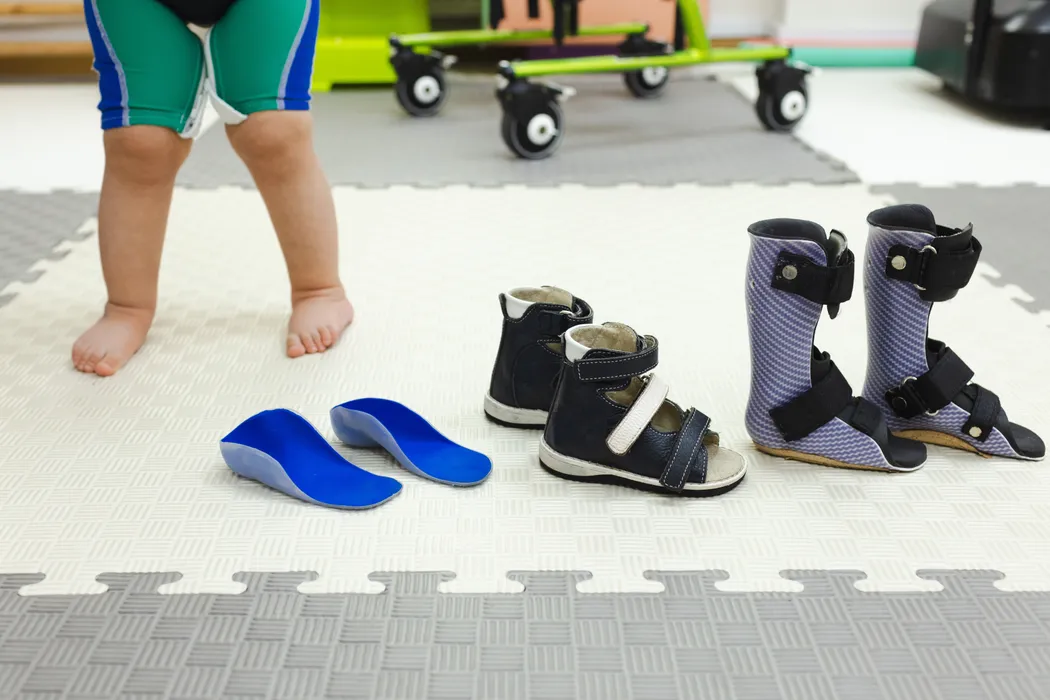
- Insole vs. Slipper: Sometimes, a removable orthopedic insole that can be placed inside existing, well-fitting shoes is preferable. The decision between an insole and a slipper depends on the severity and specific condition.
- Monitoring Progress: Regular follow-up appointments allow the doctor to monitor the foot's development and adjust the need for support over time. The goal is to eventually phase out the support as the child grows.
- School Communication: If the child needs special footwear for extended periods, communicate this necessity clearly to their schools or daycare providers. Ensuring consistency in footwear is important throughout the day.
- Physical Therapy Integration: For many foot issues, the slippers are only one part of the treatment, alongside strengthening exercises prescribed by a physiotherapist. Active exercises build crucial muscle strength.
Everyday Routine
Integrating ortho slippers for kids India into a child’s busy day requires parental oversight and routine. Consistent use, where prescribed, maximizes the therapeutic benefits.
- Establish the Habit: Encourage the child to put on their supportive slippers immediately upon waking up and when arriving home from school. Minimizing barefoot time on hard surfaces is key.
- Regular Cleaning: Since children are active, the slippers can get dirty quickly; follow the manufacturer's guidelines for cleaning medical supports India regularly. Clean supports prevent odors and skin issues.
- Foot Checks: Inspect the child’s feet every day for signs of pressure, rubbing, or abnormal redness from the slippers. This is essential for preventing blisters and managing any discomfort.
- Avoid Water Immersion: Unless explicitly stated, do not soak orthopedic slippers, as water can damage the supportive internal materials like cork. Use a damp cloth for cleaning and spot-treating.
- Growth Spurts: Be vigilant about sizing, especially during periods of rapid growth. The slippers may need to be replaced sooner than expected if the child's foot grows rapidly.
- Indoor Use Only: Dedicate these specialized slippers strictly for indoor use to maintain the integrity of the supportive sole and arch structure. Outdoor wear quickly compromises the therapeutic quality.
- Apollopharmacy Maintenance Kits: You can find cleaning and maintenance sprays or wipes suitable for washing supports and splints India in the orthopedics section of Apollopharmacy.in. Proper care extends the life of the support.
Conclusion
For most children, the arch of the foot develops naturally, and no special footwear is required. However, in cases of diagnosed persistent flat feet or significant gait abnormalities, ortho slippers for kids India become an important therapeutic tool. By consulting a specialist and ensuring you buy the correctly sized and structured best orthopedic slippers for children India, parents can positively influence their child's long-term mobility and comfort.


