0

In this article

  • What Exactly Is Mounjaro?
  • Does Mounjaro Cause Cancer?
  • Who Should Not Take Mounjaro?
  • Monitoring for Thyroid Symptoms
  • What About Other Cancers?
  • Common Side Effects vs. Rare Risks
  • How to Make an Informed Decision?
  • Conclusion

Does Mounjaro Cause Cancer? Separating Fact from Fear

Worried about mounjaro side effects cancer risks? We explain the FDA black box warning, thyroid concerns, and what the latest research says about safety.

article image

Apollo Pharmacy

If you have been researching treatments for Type 2 diabetes or weight management recently, you have likely heard of Mounjaro (tirzepatide). It has gained massive popularity for its ability to lower blood sugar and help people shed significant weight. However, along with the success stories, you may have stumbled upon some scary headlines regarding *mounjaro side effects cancer.

It is completely normal to feel anxious when you see words like "tumours" or "carcinogen" associated with a new medication. Your health is your most valuable asset, and you want to make sure the solution isn't worse than the problem.

In this article, we are going to look at the facts, strip away the confusion, and look at exactly what the science says about Mounjaro and cancer risks. We will explore the FDA warnings, the difference between animal studies and human results, and who needs to be cautious.

What Exactly Is Mounjaro?

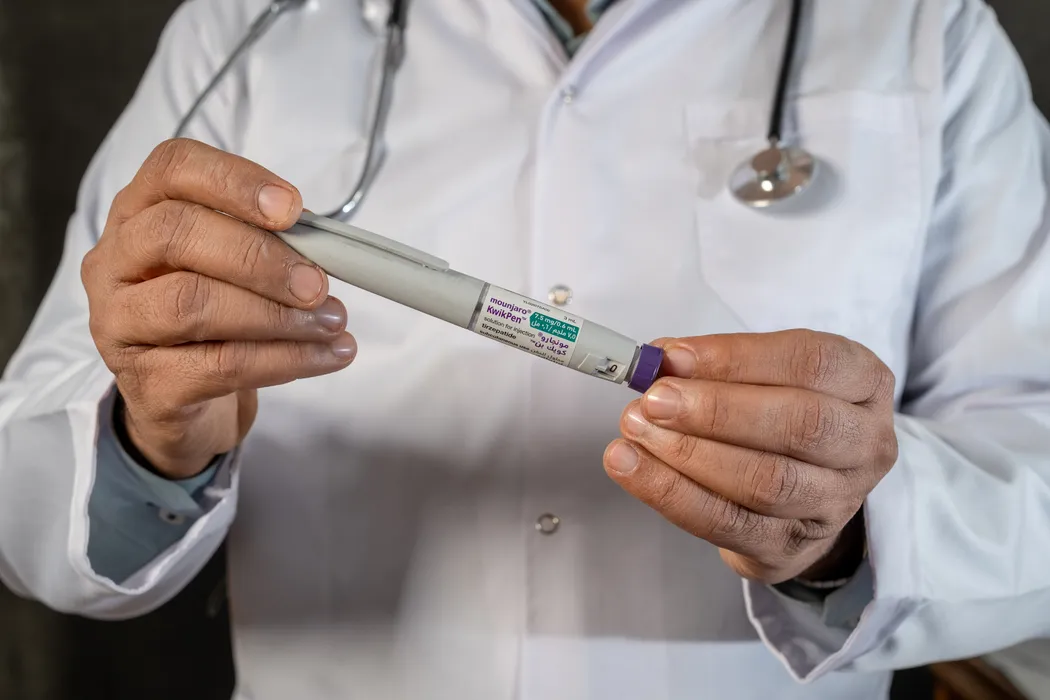
Before we dive into the safety data, it helps to understand what Mounjaro is. Mounjaro is an injectable prescription medicine used along with diet and exercise to improve blood sugar (glucose) in adults with Type 2 diabetes.

It belongs to a class of drugs that mimic hormones in your body. Specifically, Mounjaro is unique because it targets two receptors:

1. GIP (glucose-dependent insulinotropic polypeptide)
2. GLP-1 (glucagon-like peptide-1)

By activating these receptors, the drug helps the body release insulin when blood sugar is high, lowers the amount of sugar the liver makes, and slows down how quickly food leaves the stomach. This combination makes it very effective—but like all potent medications, it comes with a list of potential side effects.

Does Mounjaro Cause Cancer?

When patients ask about Mounjaro side effects cancer, they are usually referring to a specific warning found on the box: the FDA’s "Black Box Warning."

This is the most serious warning the FDA can place on a prescription drug. It alerts doctors and patients about potentially dangerous effects. For Mounjaro, this warning is specifically about Thyroid C-cell tumours.

Here is where the confusion often lies: The evidence for this risk comes primarily from studies done on rats and mice, not humans.

The Rodent Studies Explained

During the development of Mounjaro, researchers gave the drug to rats and mice at various doses. They discovered that tirzepatide caused an increase in thyroid C-cell tumours in these rodents, including a specific type of cancer called Medullary Thyroid Carcinoma (MTC).

However, biology is complex. The way rodent thyroids react to GLP-1 agonists (the class of drug Mounjaro belongs to) is different from how human thyroids react. Rodents have a much higher density of GLP-1 receptors in their thyroid glands than humans do.

Key Takeaway: While the drug caused tumours in rats, it is currently unknown if Mounjaro causes these same tumours in humans. To date, widespread data from human clinical trials has not shown a definitive link between Mounjaro and an increase in thyroid cancer in people.

Who Should Not Take Mounjaro?

Even though the risk to humans hasn't been proven, medical experts prefer to play it safe. Because of the findings in animal studies, there are specific groups of people who are advised not to take Mounjaro.

You should avoid this medication if:

  • You have a personal or family history of Medullary Thyroid Carcinoma (MTC): This is a rare form of thyroid cancer.
  • You have Multiple Endocrine Neoplasia syndrome type 2 (MEN 2): This is a rare genetic condition that causes tumours in the endocrine system (glands that make hormones).

If you do not have these specific conditions, the risk profile changes significantly. For the general population, the FDA has determined that the benefits of controlling diabetes and reducing obesity generally outweigh the theoretical risks.

Monitoring for Thyroid Symptoms
 

If your doctor prescribes Mounjaro, they will likely tell you to watch out for symptoms related to the thyroid area. While the risk is low, being vigilant is always smart.

Contact your healthcare provider if you experience:

  • A lump or swelling in your neck.
  • Hoarseness or trouble speaking.
  • Trouble swallowing.
  • Shortness of breath.

What About Other Cancers?

While the thyroid is the main focus of the mounjaro side effects cancer conversation, patients often ask about other types of cancer, specifically pancreatic or breast cancer.

Pancreatic Safety

There has been ongoing research into whether GLP-1 drugs affect the pancreas. Some early studies raised questions about pancreatitis (inflammation of the pancreas), which is a risk factor for pancreatic cancer. However, large-scale reviews of GLP-1 receptor agonists have generally not found a causal link between these drugs and pancreatic cancer. The FDA and other health organisations continue to monitor this, but currently, it is not considered a high-risk side effect.

The Obesity Paradox

It is important to look at the other side of the coin. Mounjaro is highly effective at treating obesity (even if prescribed off-label or under the brand name Zepbound).

Obesity is a known carcinogen. According to the Centers for Disease Control and Prevention (CDC), being overweight or obese is linked to a higher risk of getting 13 types of cancer, including:

  • Breast cancer (in postmenopausal women)
  • Colorectal cancer
  • Uterine cancer
  • Kidney cancer
  • Pancreatic cancer

Therefore, for many patients, the significant weight loss achieved through Mounjaro might actually lower their overall lifetime risk of developing cancer, despite the theoretical risks associated with the drug itself.

Common Side Effects vs. Rare Risks

While the fear of cancer is valid, it is much more likely that you will experience common, manageable side effects rather than severe complications. The most frequently reported issues with Mounjaro are gastrointestinal.

These include:

  • Nausea
  • Diarrhea
  • Decreased appetite
  • Vomiting
  • Constipation
  • Indigestion

These side effects are usually strongest when you first start the medication or when your doctor increases your dosage. For most people, these symptoms subside as the body gets used to the medication.

How to Make an Informed Decision?
 

Deciding to start a medication like Mounjaro is a collaboration between you and your doctor. Here is a checklist to help you navigate the conversation:

1. Be Honest About Family History: Tell your doctor if anyone in your family has had thyroid cancer or endocrine tumours.
2. Weigh the Pros and Cons: Discuss how uncontrolled diabetes or obesity is affecting your health right now versus the theoretical risks of the medication.
3. Ask About Monitoring: Ask your doctor how they plan to monitor your health while you are on the drug.
4. Stay Updated: Medical research moves fast. Keep in touch with your healthcare provider about new data regarding mounjaro side effects cancer risks.

Conclusion

So, does Mounjaro cause cancer? There is no definitive evidence that Mounjaro causes cancer in humans. The FDA’s warning is based on rodent studies, and human biology works differently. However, because safety is the top priority, people with a personal or family history of specific thyroid cancers (MTC or MEN 2) should not take this drug.

For the vast majority of patients, Mounjaro serves as a powerful tool to fight Type 2 diabetes and obesity—two conditions that carry their own severe health risks, including heart disease and other forms of cancer. Always consult your healthcare provider for medical advice tailored to your specific situation. They can help you understand if Mounjaro is the right path for your health journey.

FAQs

Does Mounjaro cause breast cancer?

Currently, there is no conclusive evidence linking Mounjaro directly to breast cancer. Some clinical trials for similar weight-loss drugs noted a slight number of breast cancer cases, but it was not enough to prove the drug caused them. Conversely, losing weight with Mounjaro may actually lower the risk of breast cancer in postmenopausal women, as obesity is a major risk factor.

Is the "Black Box Warning" found on all diabetes drugs?

No, the Black Box Warning regarding thyroid C-cell tumours is specific to the class of drugs known as GLP-1 receptor agonists (like Mounjaro, Ozempic, and Wegovy). Other diabetes medications, such as Metformin or SGLT2 inhibitors, do not carry this specific warning.

If I get a lump in my neck while on Mounjaro, is it cancer?

Not necessarily. A lump in the neck can be caused by swollen lymph nodes, a benign cyst, or a goiter (enlarged thyroid). However, because of the theoretical risk associated with Mounjaro, you should see your doctor immediately for an ultrasound or evaluation if you notice any swelling or lumps.

Can I take Mounjaro if I had a different type of cancer in the past?

Likely, yes. The contraindication (reason not to take it) is specific to Medullary Thyroid Carcinoma (MTC). If you have had other types of cancer, such as skin cancer or breast cancer, you may still be eligible to take Mounjaro, but you must discuss your full medical history with your oncologist and prescribing doctor first.

Does Mounjaro cause pancreatic cancer?

Current studies do not show a proven link between Mounjaro and pancreatic cancer. The drug can cause pancreatitis (inflammation of the pancreas) in rare cases. If you have a history of pancreatitis, your doctor may recommend a different medication to be safe.

Apollo 247 Floating Action Button