As a parent or caregiver, keeping your child safe, happy, and healthy is your absolute top priority. One of the most effective and proven ways to protect your little ones from serious, preventable diseases is through childhood immunisations. The DPT vaccine is a vital part of this protective shield, defending children against three potentially life-threatening bacterial infections: Diphtheria, Pertussis (whooping cough), and Tetanus. However, navigating the world of pediatric medicine can sometimes feel overwhelming. Medical schedules, injection methods, and dosages can be confusing. If you are a parent wondering about the exact DPT vaccine dose in ml, where the shot should be given, or what the timeline looks like, you are in the right place. In this comprehensive and easy-to-understand guide, we will break down the DPT immunisation process. We will explore everything from the proper injection site to managing mild side effects, giving you the knowledge and confidence you need for your child's next paediatrician visit.
DPT Vaccine Dose in mL: Route, Site of Injection & Schedule
Learn about the ideal room and AC temperature for newborn babies to ensure safe sleep, comfort, and healthy development. Discover expert tips to keep your baby cosy and protected.
Dr. Abdul Kalam
What is the DPT Vaccine?
Before diving into the specifics of the dpt vaccine dose in ml, it helps to understand exactly what this vaccine does. The DPT vaccine (often administered as DTaP in many modern healthcare systems) is a combination vaccine that protects against three severe diseases:
- Diphtheria (D): A serious bacterial infection that creates a thick coating in the back of the throat. It can lead to severe breathing problems, heart failure, and even death.
- Pertussis (P): Commonly known as whooping cough, this highly contagious respiratory tract infection causes violent, uncontrollable coughing fits that make it hard for infants to breathe, eat, or drink.
- Tetanus (T): Also known as "lockjaw," tetanus bacteria enter the body through cuts or wounds. It causes severe muscle stiffness and spasms that can be fatal.
Because infants and young children are especially vulnerable to these illnesses, the DPT vaccine is a cornerstone of global childhood immunisation programs.

What is the Exact DPT Vaccine Dose in mL?
For parents wanting to be well-informed about their child’s medical care, knowing the precise dose of the DPT vaccine provides great peace of mind. The standard, medically approved DPT vaccine dose in mL is exactly 0.5 mL per injection. This specific amount has been heavily researched and determined by global health authorities to be the safest and most effective volume to trigger a strong immune response without overwhelming a child’s body.
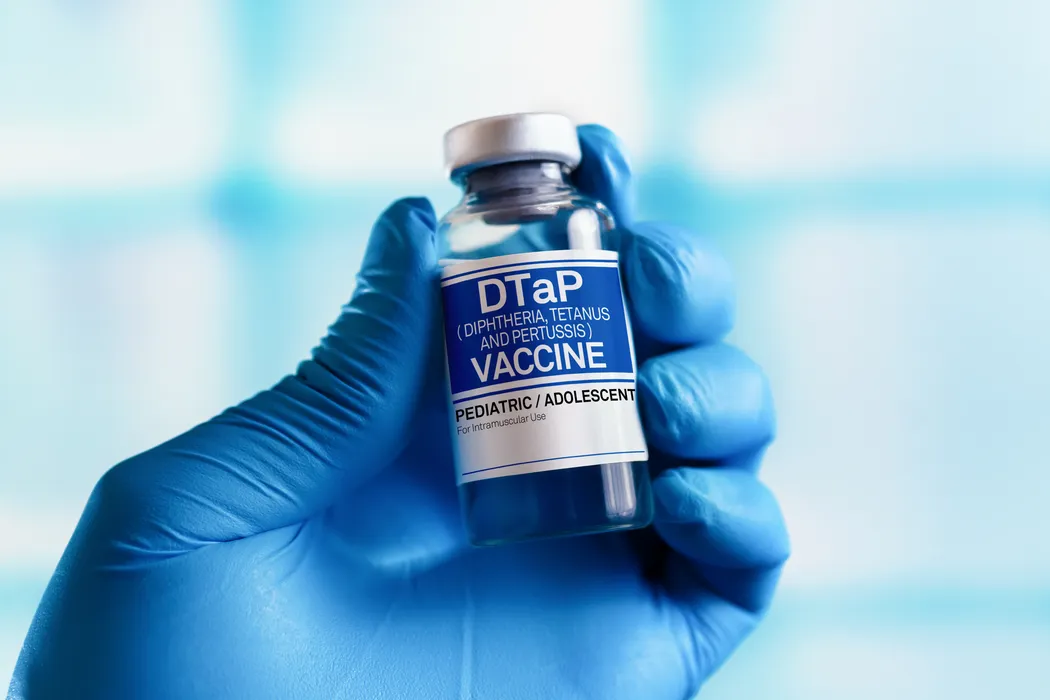
During your pediatric appointment, the healthcare provider will carefully prepare the shot. They will take a sterile DPT vaccine vial, gently shake it to ensure the liquid is properly mixed, and draw out exactly 0.5 mL into the syringe. Whether your child is receiving their very first shot at a few weeks old or a booster shot right before kindergarten, the DPT vaccine dose remains firmly at 0.5 mL.
The Complete DPT Vaccine Schedule
Immunisations work best when given at specific times during a child's development. Following the recommended schedule ensures that your baby builds strong, long-lasting immunity. While specific timelines can vary slightly depending on your country's national health guidelines (such as those from the WHO or CDC), a standard DPT (or DTaP) schedule generally looks like this:
The Primary Series:
- 2 Months Old: This is generally when the dpt vaccine first dose is given.
- 4 Months Old: Second dose.
- 6 Months Old: Third dose.
The Boosters:
- 15 to 18 Months Old: Fourth dose (first booster).
- 4 to 6 Years Old: Fifth dose (second booster, usually required before starting school).
If your child misses a dose due to illness or a scheduling conflict, there is no need to panic. Paediatricians have standard "catch-up" schedules to get your child back on track without having to restart the entire series.
Administration: Route and Site of Injection
Understanding how and where the vaccine is given can help you comfort your child better during the appointment.
The Route of Administration
The correct route for administering the DPT vaccine dose in mL (0.5 mL) is strictly intramuscular (IM). This means the needle goes through the skin and directly into the deep muscle tissue. Muscle tissue has an excellent blood supply, which helps the vaccine absorb efficiently into the body and minimises localised irritation.
The Best DPT Vaccine Site
The ideal dpt vaccine site changes as your child grows and their body develops. Muscles need to be large and thick enough to safely absorb the vaccine.
1. For Infants and Toddlers (Under 3 Years Old):
The safest and most highly recommended DPT vaccine site of injection is the anterolateral aspect of the thigh. In simple terms, this is the thick, fleshy, outer-front part of the baby's thigh. Because babies do not yet have well-developed arm muscles, the thigh provides the largest and safest muscle mass, making it the perfect dpt vaccine injection site.
2. For Older Children (3 Years and Older):
Once a child is walking and growing, the muscle in their upper arm (the deltoid muscle) becomes thick enough. At this stage, the upper arm becomes the preferred injection site.
DPT Vaccine Site Left or Right?
Many parents naturally wonder: Is the DPT vaccine site left or right? Medically speaking, the vaccine can safely be administered in either the left or the right thigh (or arm). There is no physiological difference in how the vaccine works based on the side chosen.
However, healthcare providers typically record exactly which arm or leg was used in your child's medical chart. This allows them to alternate sides for future vaccines, which helps reduce soreness and swelling in one specific limb.
The 5-Year Booster Dose
As your child prepares to enter preschool or kindergarten, they will need their final childhood booster. When discussing the dpt vaccine for the 5-year route, parents should know that the injection method remains the same; it is an intramuscular (IM) injection. The primary difference at this age is the location. As mentioned earlier, a 5-year-old child will receive their 0.5 mL dPT vaccine dose in the deltoid muscle of their upper arm rather than their thigh. Remind your child that while it might feel like a quick pinch, it is keeping them strong and healthy for school!
Possible Side Effects and Aftercare
It is completely normal to feel a bit anxious about how your child will react to a vaccine. The good news is that the DPT vaccine is incredibly safe, and severe side effects are exceptionally rare. Most children experience only mild, temporary reactions that show their immune system is working properly.
Common Side Effects:
- Redness, swelling, or tenderness at the injection site.
- A mild, low-grade fever.
- Fussiness, irritability, or crying.
- Tiredness or poor appetite for a day or two.
How to Comfort Your Child at Home?
Do the following things:
Cool Compress: Apply a clean, cool, damp cloth to the injection site to reduce redness and soreness.
- Hydration: Offer plenty of fluids. For babies, this means extra breastmilk or formula.
Gentle Movement: Encourage your child to gently move their arm or leg. This improves blood flow and can help the muscle heal faster. - Medication: If your child has a fever or seems to be in pain, consult your paediatrician about giving a weight-appropriate dose of infant acetaminophen or ibuprofen. (Never give aspirin to children).
Always contact your doctor immediately if your child experiences a fever over 105°F (40.5°C), non-stop crying for more than 3 hours, or signs of an allergic reaction (like hives or difficulty breathing).
Conclusion
Maintaining the ideal room and AC temperature for newborn babies is an important part of creating a safe and comfortable environment for your little one. Since newborns cannot regulate their body temperature as effectively as adults, keeping the room within a comfortable range helps prevent overheating or feeling too cold. A well-ventilated room, appropriate clothing layers, and careful use of air conditioning can make a big difference in your baby’s sleep quality and overall well-being. As parents, simple habits such as checking your baby’s neck for warmth, using breathable fabrics, and monitoring the room temperature can help ensure your newborn stays comfortable throughout the day and night. By maintaining the right balance of temperature and airflow, you create a soothing space where your baby can sleep peacefully, grow healthily, and feel secure.
FAQS
FAQS
What is the standard dpt vaccine dose in ml?
The universally recommended dpt vaccine dose in mL is 0.5 mL for all infants, toddlers, and young children. This exact volume is carefully measured to provide the safest and most effective immune response.
Can the DPT vaccine be given in the buttocks?
No. Health organisations strongly advise against giving the DPT vaccine in the buttocks for infants and children. Injecting into the buttocks carries a risk of accidentally hitting the sciatic nerve, which can cause severe pain and nerve damage. The outer thigh and the upper arm remain the safest sites.
What is the difference between DPT and DTaP?
Both vaccines protect against Diphtheria, Tetanus, and Pertussis. DPT is the older "whole-cell" version of the vaccine. DTaP is a newer, "acellular" version that uses only specific parts of the pertussis bacteria. DTaP is preferred in many countries today because it causes fewer mild side effects (like fevers), though people commonly still refer to it as the DPT shot.
Is it normal for the dpt vaccine injection site to feel hard or have a small lump?
Yes, it is very common for a small, painless lump or nodule to form under the skin where the injection was given. This is a normal response of the body's immune system interacting with the vaccine. The lump usually fades away on its own over a few weeks and does not require medical treatment.
Can my baby receive the DPT vaccine on the same day as other vaccines?
Yes. Global health guidelines state that it is safe and highly recommended for infants to receive multiple vaccines during the same doctor's visit. A baby's immune system is incredibly robust and easily capable of handling multiple vaccines at once. Combining them saves you time and reduces the number of stressful doctor visits for your child.


