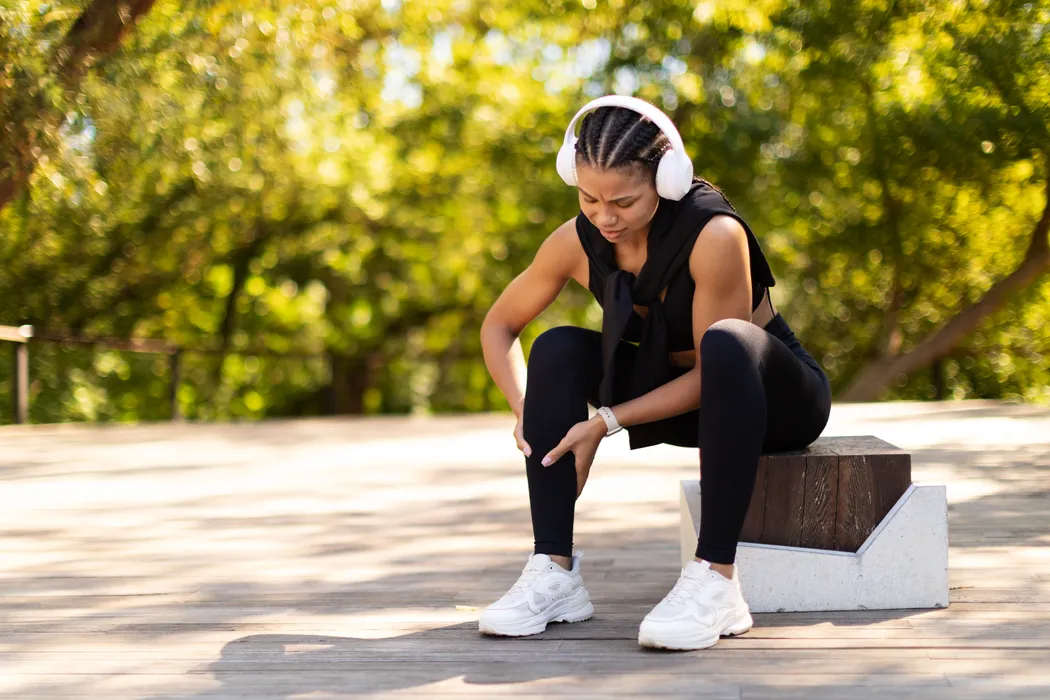
It can be incredibly frustrating when you feel completely drained and unable to recover after a solid workout session. You push yourself to achieve your fitness goals, but instead of feeling energized and strong, you're left with an unusual, persistent weakness that sidelines your progress. This profound feeling of being completely worn out, often specifically referred to as vitamin B12 fatigue, is far more common among active individuals than you might think. For many athletes and regular exercisers, this overwhelming exhaustion is a key sign that your body needs a little extra nutritional support to efficiently convert food into the energy required for both training and recovery.
Feeling Weak After Workouts? You Might Be Low on B12
Unexplained weakness after workouts could be vitamin B12 fatigue. Learn what role B12 for fitness plays and when to consult your doctor.
Apollo Pharmacy
In this article
- What B12 Does?
- Common Signs of Low B12
- Food Sources: Your First Line of Defense
- Supplements: Bridging the Gap
- Monitoring Levels: The Importance of Testing
- Conclusion
What B12 Does?
What B12 Does?
Vitamin B12 is absolutely essential for your body to function properly, especially when you lead an active life. Its role is central to energy production and overall cellular vitality:
- B12 is crucial for your body's energy production. It acts as a necessary co-factor in the metabolic pathway that helps convert the carbohydrates, fats, and proteins from the food you eat into readily usable cellular energy.
- It's also vital for making healthy red blood cells. These cells are the microscopic carriers that transport essential oxygen from your lungs to every muscle fiber during intense exercise.
- A deficiency means less oxygen reaches your working muscles, directly causing fatigue. This makes B12 for fitness a non-negotiable, foundational part of your performance and recovery routine.
Common Signs of Low B12
Common Signs of Low B12
Vitamin B12 fatigue isn't the only symptom, but it is often the most noticeable one for active individuals. Recognizing other common signs is key to early detection:
- You might feel unusually tired or weak not just immediately after a workout, but throughout the entire day.
- You might experience shortness of breath or breathlessness with even simple exertion, due to the lack of oxygen-carrying capacity.
- Other tell-tale signs can include tingling or numbness (paresthesia) in your hands or feet, often described as "pins and needles," which indicates nerve damage.
- You may also notice that your skin looks paler or even slightly yellowish, a symptom of anemia caused by poor red blood cell formation.
- Chronic lack of energy and an inability to recover from daily tasks is a very common, persistent indicator of low B12 status.

Fast&Up Plant Based B12, 60 Tablets | Vitamin B12 | 100% Natural, Preservative Free
₹663(₹780)

Vlado's Himalayan Organics Natural Vitamin B12, 60 Capsules
₹719

Neuherbs True B12 Supplement With Myo-Inositol, Vitamin B12, Folic Acid & Spirulina, 60 Tablets
₹284(₹355)

Apollo Life Vitamin B-12, 30 Tablets
₹143.10(₹159)
Food Sources: Your First Line of Defense
Food Sources: Your First Line of Defense
The safest and most reliable way to get enough B12 is always through a consistent, balanced diet.
- B12 is primarily found in animal products because it is produced by bacteria and accumulated in animal tissues.
- Good natural sources include milk, cheese, eggs, and all types of meat (especially liver) and fish (like salmon and tuna).
- For vegetarians or vegans, obtaining enough B12 requires mindful planning. Fortified cereals, nutritional yeast, and plant-based milk (soy, almond, or oat milk) that have been supplemented with B12 are crucial options.
- A healthy, balanced diet rich in these sources can effectively prevent vitamin B12 fatigue in many cases, making mindful food choices the essential first step towards better health and sustained energy.
Supplements: Bridging the Gap
Supplements: Bridging the Gap
For some individuals, especially those with strict diets or underlying absorption issues, diet alone may not be enough to correct a deficiency.
- If you have a confirmed deficiency (verified by a blood test), supplements can be a very helpful and necessary tool to rapidly restore healthy levels.
- Always consult your doctor or a registered dietitian before starting any supplement regimen to ensure safety and necessity.
- Your doctor can advise on the correct formulation (e.g., tablets, liquids, or injections) and the appropriate dosage for you.
- Getting the right dose of B12 for fitness can dramatically change your energy levels, mental clarity, and post-workout recovery.
- Remember that supplements are a supportive tool, not a long-term substitute for a healthy, foundational diet.
Monitoring Levels: The Importance of Testing
Monitoring Levels: The Importance of Testing
The only reliable way to truly know your current B12 levels and confirm a deficiency is through professional medical testing.
- A simple, routine blood test can confirm a B12 deficiency by measuring serum cobalamin levels.
- Never self-diagnose based solely on your subjective symptoms alone, as many conditions can mimic B12 deficiency (like iron deficiency or thyroid issues).
- Your doctor can help determine the root cause of your persistent vitamin B12 fatigue, which may relate to diet, medication side effects, or a gastric absorption issue.
- Regular check-ups are especially important for middle-aged and older individuals, as B12 absorption naturally declines with age.
- Taking charge of your health and achieving peak fitness starts with accurate, laboratory-verified information.
Conclusion
Conclusion
Feeling persistent weakness and fatigue after workouts is not an inevitable outcome you have to live with. It could simply be a sign that your body is critically missing something important for energy metabolism. By paying close attention to your body's signals and consulting openly with your doctor, you can effectively get to the bottom of your vitamin B12 fatigue. Taking care of your body's nutritional needs, including getting enough B12 for fitness, is the fundamental key to feeling consistently strong, energetic, and resilient every single day. For a variety of high-quality health supplements, including B12 formulations, you can find trusted products to support your well-being at apollopharmacy.in.


