For many new parents, checking diapers quickly becomes a daily routine. Because babies cannot tell us how they feel, their bowel movements can provide valuable clues about their digestion and overall health. It is completely normal to feel concerned when you notice changes in your baby’s diaper, especially when the colour or texture suddenly looks different. Whether you are trying to understand what a normal diaper looks like or dealing with baby diarrhoea formula-fed infants sometimes experience, this guide will help you understand what is normal and what may require medical attention. We will explain the typical colour, consistency, and frequency of formula-fed baby poop, how to recognise digestive issues, and when it is time to call your paediatrician.
Formula-Fed Baby Poop: Color, Consistency & When to Worry
Learn what normal formula-fed baby poop looks like, including colour, consistency, and frequency. Discover when changes may signal diarrhoea or health concerns.
Dr.Kamran
What Does Normal Formula-Fed Baby Poop Look Like?
Babies who drink infant formula tend to have slightly different bowel movements compared with exclusively breastfed babies. Because formula takes longer to digest, the stool can look thicker and smell stronger.
Normal Consistency
Formula-fed baby poop is usually thicker than breastfed baby poop. It typically has a soft, pasty texture similar to smooth peanut butter or hummus. It should still be soft enough for your baby to pass comfortably without excessive straining.
Normal Colours
A healthy formula-fed baby may produce stools in several colours. Common and normal shades include:
- Mustard Yellow: This colour is very common in the early weeks of life.
- Tan or Light Brown: As your baby's digestive system matures, stool colour often becomes darker and more brown.
- Green: Iron-fortified formulas can sometimes turn a baby’s stool dark green or khaki. This is completely harmless and very common.


Recognising Baby Diarrhoea in Formula-Fed Infants
Since newborn poop is naturally soft, it can sometimes be difficult to distinguish between normal stool and diarrhoea. When identifying baby diarrhoea formula, fed parents should look for sudden changes in frequency, consistency, and volume. If your baby begins passing stools far more often than usual and the stool becomes extremely runny or watery, it may indicate diarrhoea. If you notice newborn baby poop watery enough to soak into the diaper with little or no solid matter, this is often a sign of diarrhoea. The stool may also have a stronger or foul smell and could occur along with other symptoms such as fussiness, mild fever, or increased spitting up.
Understanding Yellow Watery Poop in Formula-Fed Babies
Seeing yellow watery poop baby formula fed infants produce can be alarming for parents. However, it is important to evaluate the overall situation before assuming something is wrong. Yellow watery stool may occur when food moves through the digestive system too quickly. Several factors may cause this, including:
- Viral or Bacterial Infections: Common stomach viruses such as rotavirus can cause temporary diarrhoea in infants.
- Cow’s Milk Protein Allergy: Some babies struggle to digest the proteins in cow’s milk–based formulas. This can lead to loose stools, colic, or digestive discomfort.
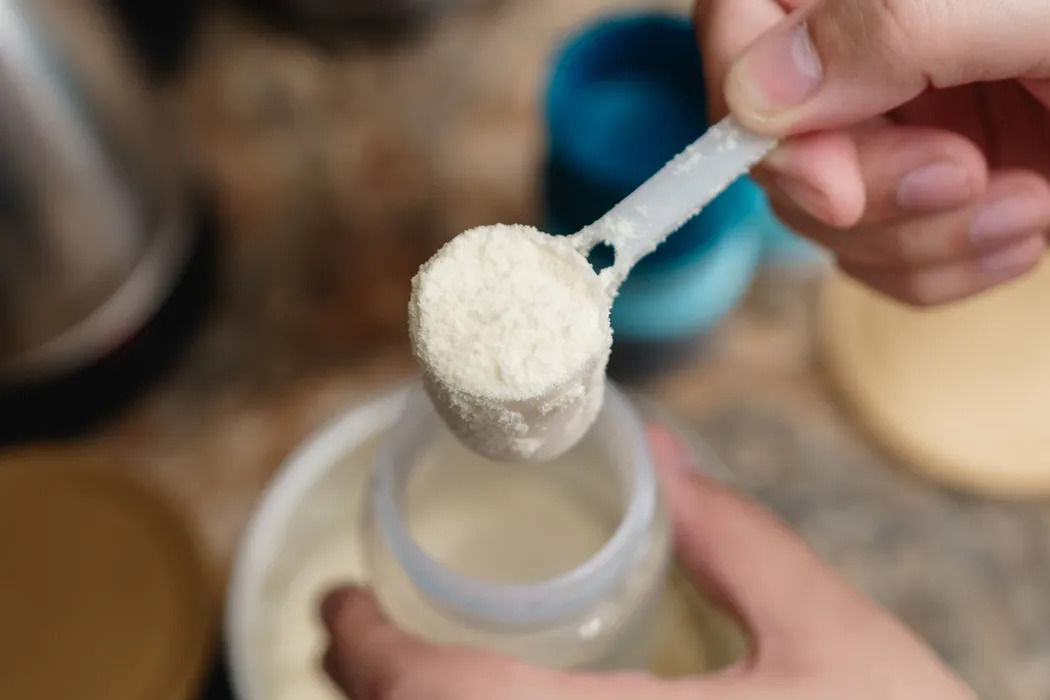
- Incorrect Formula Preparation: Adding too much water to formula powder can dilute the nutrients and cause loose stools. Always follow the exact mixing instructions printed on the formula container.
Common Causes of Baby Diarrhea in Formula-Fed Babies
If your baby develops diarrhoea, several factors may be responsible. The most common causes include:
1. Infections: Viral, bacterial, or parasitic infections can upset a baby’s digestive system and cause diarrhoea.
2. Changes in Formula: Switching from one formula brand or type to another can temporarily affect digestion.
3. Medications: Antibiotics taken by the baby or sometimes by the mother if combination feeding is involved, can disrupt healthy gut bacteria.
4. Environmental Changes: Travel or changes in water used for formula preparation may occasionally trigger mild digestive disturbances.
Treating Baby Diarrhoea in Formula-Fed Infants at Home
When managing baby diarrhoea in formula fed infants, hydration becomes the most important priority. Babies can lose fluids quickly during diarrhoea, making dehydration a serious risk. Here are some safe care tips:
Continue Regular Feeding
Keep offering your baby their regular formula. Avoid diluting the formula with extra water, as this reduces essential nutrients and calories.
Avoid Anti-Diarrheal Medicines
Never give over-the-counter anti-diarrhoeal medications such as Imodium or Pepto-Bismol to infants unless specifically prescribed by a doctor.
Protect the Skin
Diarrhoea can irritate delicate baby skin and cause severe diaper rash. Change diapers frequently, gently clean the area with warm water, and apply a thick barrier cream containing zinc oxide.
Ask Your Doctor About Electrolytes
If diarrhoea becomes severe, your paediatrician may recommend an oral rehydration solution such as Pedialyte between formula feedings. Avoid giving plain water or fruit juice, as these can worsen diarrhoea in babies.
When to Worry: Warning Colours and Symptoms
Most variations in baby poop are harmless. However, certain colours or symptoms require immediate medical attention.
Warning Colours
- Red Stool: Unless caused by red foods (after solids begin), red stool may indicate blood and should be evaluated by a doctor.
- Black Stool: Newborns pass black meconium during the first few days of life. However, black tar-like stool later in infancy may signal bleeding in the digestive tract.
- White or Pale Grey Stool: Chalky white stool may indicate a liver or gallbladder issue and requires immediate medical care.
Signs of Dehydration
When monitoring baby diarrhoea formula-fed infants, watch closely for dehydration. Seek medical help immediately if you notice:
- No wet diapers for 6 hours or more
- Crying without tears
- A sunken soft spot (fontanelle) on the baby’s head
- Dry mouth or cracked lips
- Extreme sleepiness or difficulty waking
- Fever of 100.4°F (38°C) or higher in babies under three months
Conclusion
Diaper changes are a normal part of parenting, and every baby’s bowel pattern is slightly different. By understanding what normal formula-fed baby poop looks like, you can feel more confident recognising when something unusual occurs. Trust your instincts. If your baby seems uncomfortable, their stool changes dramatically, or you feel concerned for any reason, do not hesitate to contact your healthcare provider. Early guidance can help ensure your baby stays healthy and comfortable.
FAQS
FAQS
How often should a formula-fed baby poop?
There is a wide range of normal patterns. Some formula-fed babies pass stool after every feeding, while others may go once every day or two. As long as the stool is soft and your baby is feeding well, gaining weight, and acting comfortable, their schedule is usually normal.
Can switching formula brands cause diarrhoea?
Yes. Babies have sensitive digestive systems, and sudden formula changes can cause temporary symptoms such as gas, fussiness, or loose stools. If you need to change formula, consult your paediatrician about transitioning gradually.
How long does diarrhoea in formula-fed babies last?
Most mild cases caused by stomach viruses improve within a few days to one week. However, because babies can become dehydrated quickly, you should contact your paediatrician if diarrhoea lasts more than 24 hours in infants younger than three months.
Is hard stool normal for formula-fed babies?
No. Hard, pellet-like stool may indicate constipation. This can happen if formula is mixed incorrectly or during transitions to solid foods. Consult your paediatrician for guidance.
Should baby bottles be sterilised to prevent diarrhoea?
Yes. Proper bottle hygiene is essential. Always wash your hands before preparing formula and clean bottles, nipples, and accessories thoroughly with hot, soapy water or a steriliser after each use.


