Fungal infections are caused by various types of fungi, which are microorganisms that can live both indoors and outdoors. They can affect different parts of the body, including the skin, nails, mouth, and genital area. Fungal infections can be categorised into several types based on the affected area and the type of fungus involved. Each type of fungal infection presents its own set of symptoms and requires specific treatment approaches. Notably, misdiagnosis or delayed treatment can lead to prolonged discomfort and potentially serious complications.
Fungal Infection: Types, Symptoms & Treatment
Learn about fungal infection types, symptoms, causes, diagnosis, treatment, and prevention. Understand how to manage infections effectively and protect your health.
Apollo Pharmacy
Types of Fungal Infections
While there are different types of fungal infections, some of the common ones include:
1. Superficial fungal infections
Causes
- Superficial fungal infections can occur due to direct contact with infected individuals or contaminated surfaces.
- Risk factors include compromised immune system, excessive moisture, poor hygiene, wearing tight shoes or synthetic fabrics, and certain medical conditions like diabetes.
Common types
- Athlete's foot: It affects the skin between the toes and causes itching, redness, and scaling.
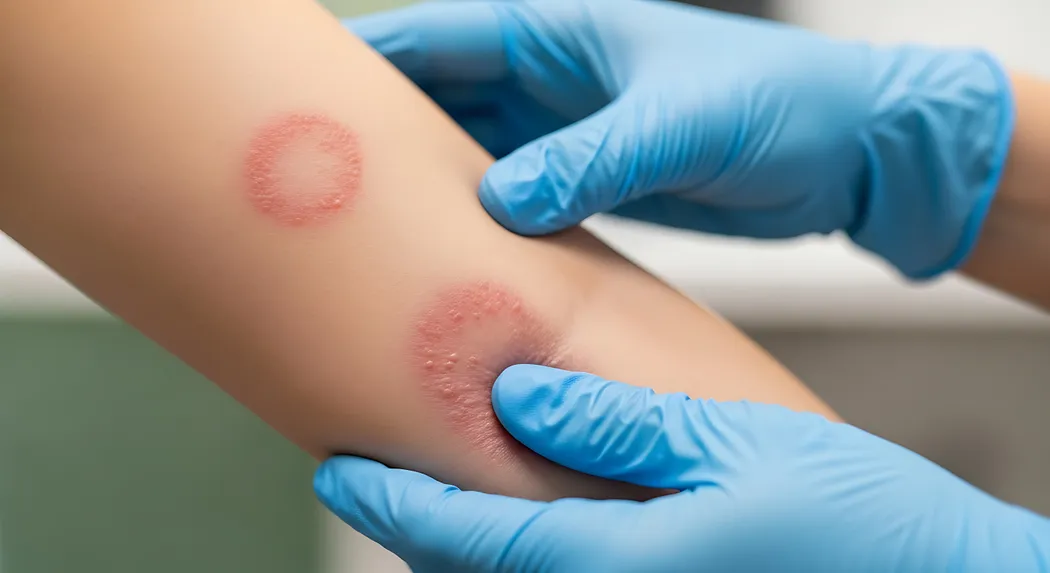
- Ringworm: It is a common infection that causes a red, circular rash on the skin or scalp.
- Candidiasis: It commonly affects the mouth (oral thrush) or genital area (yeast infection) and causes discomfort and itching.
- Nail fungus: It affects the nails, causing them to become thick, discoloured, and brittle.
Symptoms and signs
Symptoms vary depending on the type of infection but may include:
- Itching
- Redness
- Swelling
- Pain
- Flaking or peeling skin
- Nail discolouration or thickening
- Respiratory symptoms in case of pneumonia
Treatment options
- Treatment options include antifungal medications in the form of creams, ointments, oral tablets, or injections.
- Severe infections may require long-term treatment or combination therapy.
- Your doctor may perform a physical examination and take blood samples for laboratory testing.
2. Cutaneous fungal infections
Cutaneous fungal infections primarily involve the skin, hair, and nails.
Causes
- Direct contact with infected individuals or contaminated surfaces
- Weakened immune system
- Excessive sweating or humidity
- Poor hygiene
- Sharing personal items like towels or combs
Common types
- Candidiasis: It mainly affects the moist areas of the body, such as the mouth (oral thrush) and genital areas.
- Tinea versicolor: This fungal infection causes discoloured patches on the skin, which can be more noticeable in warm weather.
Symptoms and signs
- Itching and redness
- Scaling or flaking of the skin
- Rashes or bumps
- Discolouration of the skin or nails
- Diagnostic methods
- Physical examination of affected areas
- Microscopic examination of skin scrapings or nail clippings
- Fungal cultures to identify the specific type of fungus
Treatment options
- Topical antifungal creams or ointments
- Oral antifungal medications for severe or widespread infections
- Keeping the affected areas clean and dry
- Avoiding irritants or triggers
3. Systemic fungal infections
Causes
Systemic fungal infections are a serious health concern that can affect various parts of the body, including the lungs, bloodstream, and internal organs. These infections are caused by different types of fungi, the most common being Aspergillus and Cryptococcus.
Common types
Aspergillosis: affects the lungs and can spread to other organs.
Cryptococcosis: primarily affects the lungs and central nervous system.
Symptoms and signs
Symptoms and signs of systemic fungal infections can vary depending on the affected area, but they often include:
- Fever
- Cough
- Fatigue
- Weight loss
- Skin rashes
- Respiratory problems
Risk factors
Certain individuals are at higher risk of developing these infections, such as those with weakened immune systems, diabetes, or prolonged use of antibiotics or corticosteroids.
Diagnostic methods
Diagnosing systemic fungal infections involves various methods like blood tests, imaging scans, and tissue biopsies. A definitive diagnosis is crucial to determine the appropriate treatment plan.
Treatment options
Treatment options for systemic fungal infections may include antifungal medications such as amphotericin B, fluconazole, or itraconazole. In severe cases, surgical intervention may be necessary to remove infected tissue or to drain abscesses.
Prevention of Fungal Infections
By following a few simple guidelines, you can significantly reduce your risk of developing fungal infections. Let's explore some preventive measures:
1. Personal hygiene practices
Personal hygiene practices play a crucial role in preventing fungal infections. By following some simple steps, you can significantly reduce your risk of developing these infections. Here are a few important practices to keep in mind:
A. Hand hygiene
Wash your hands regularly with soap and water, especially after using the restroom, touching animals, or handling soil. Proper handwashing helps eliminate harmful fungi that might be present on your skin.
B. Proper cleaning and drying of affected areas
If you have a fungal infection, ensure that you clean and dry the affected areas thoroughly. Moisture provides an ideal environment for fungi to thrive, so keeping the area clean and dry helps prevent their growth.
C. Avoid sharing personal items
Fungi can easily spread from one person to another through sharing personal items like towels, clothes, shoes, or combs. To prevent infection, avoid sharing these items and ensure they are properly cleaned before use.
2. Environmental precautions
A. Maintaining cleanliness in living spaces
Regularly cleaning and disinfecting surfaces using a potent alcohol-based disinfectant can help prevent the growth and spread of fungi.
B. Proper ventilation to reduce humidity
Ensuring good air circulation can help control humidity levels, which can otherwise create an environment favourable for fungal growth.
3. Lifestyle adjustments for high-risk individuals
Manage blood sugar levels to prevent yeast infections.
Include foods rich in vitamins C and E, zinc, and selenium.
Consume probiotics to maintain a healthy gut.
Diagnosis of Fungal Infections
Here are the key points to consider in the diagnosis of fungal infections:
1. Physical examination
Your doctor will ask you about your symptoms, their duration, any recent travel or exposure to potential sources of infection, and any underlying medical conditions that may weaken your immune system. A physical examination will be conducted to look for any visible signs of infection.
2. Laboratory tests
To confirm the presence of a fungal infection and identify the specific causative agent, various laboratory tests such as microscopic examination of skin scrapings or nail clippings, the culture of the sample to grow the fungi, and molecular techniques like PCR (Polymerase Chain Reaction) to confirm the diagnosis.
3. Imaging techniques
In cases where a fungal infection is suspected to have spread to other organs or tissues, imaging techniques such as X-rays, CT scans, or MRIs may be used to visualise the affected areas and determine the extent of the infection.
Treatment Options for Fungal Infections
1. Topical antifungal medications
Topical antifungal medications are an effective treatment option for fungal infections. These medications come in the form of creams, lotions, and powders, allowing you to choose the one that suits your preference and the affected area.
Anti-fungal creams are commonly used for body surfaces, while anti-fungal powders may be more suitable for areas prone to moisture, such as between the toes.
Things to take care of while applying an anti-fungal medication include:
- Clean the affected area thoroughly and dry it completely.
Apply a thin layer of the medication. - Gently massage it into the skin until it is absorbed.
- Even if symptoms improve, continue using the medication until the recommended treatment period is complete to ensure that the infection is fully eradicated.
2. Oral antifungal medications
Oral antifungal medications work by attacking the fungal cells and preventing their growth. They are often prescribed for more severe or persistent infections that do not respond to topical treatments.
There are different types of oral antifungals available, including azoles (such as fluconazole) and allylamines (such as terbinafine). The specific choice, duration and dosage depend on the type and severity of the infection.
3. Intravenous antifungal medications
Intravenous antifungal medications are necessary in situations where the infection has spread extensively or when oral medications are not effective.
IV medications are administered directly into a vein and are closely monitored by healthcare professionals. This route allows for quick and efficient delivery of medication to combat the infection.
Lifestyle Management for Fungal Infections
By adopting certain measures, you can not only find relief from symptoms but also strengthen your immune system to fight against fungal infections. Here are some useful tips to incorporate into your daily routine:
- Keep the affected area clean and dry to prevent further growth of fungi.
- Use antifungal creams or anti-fungal powders as directed by your healthcare provider.
- Change damp or sweaty clothes immediately, especially after exercise or activities that induce sweating.
- Avoid sharing personal items like towels, clothes, and shoes to minimize the risk of spreading infection.
- Consume a well-balanced diet rich in nutrients, including vitamins A, C, and E, selenium, and zinc.
- Limit your intake of sugary foods and refined carbohydrates, as they can weaken the immune system and contribute to fungal growth.
- Stay hydrated by drinking plenty of water throughout the day.
Takeaway
Fungal infections can be bothersome but are generally treatable with the right medications. If you suspect a fungal infection, consult a healthcare professional for an accurate diagnosis and appropriate treatment. Remember to practice good hygiene and take preventive measures to reduce the risk of developing these infections.
You can also manage fungal infections at home with anti-fungal powders and creams.
FAQs
FAQs
What are the causes of fungal infections?
Weakened immune systems, poor hygiene, excessive sweating, and contact with infected surfaces are the main causes of fungal infections.
How are fungal infections diagnosed?
A healthcare professional can diagnose a fungal infection by examining the affected area and considering your symptoms. They may also perform tests like skin scraping or nail sample analysis to confirm the presence of fungi.
Do fungal infections go away on their own?
No, fungal infections usually don't go away on their own. If left untreated, they may even get worse.
Are fungal infections fatal?
No, fungal infections are not life-threatening, although some infections can be serious.
How long does a fungal infection take to heal?
A fungal infection may take a few days to a few weeks to heal completely, depending on the severity of the symptoms.


