0

In this article

  • Understanding the Basics: What Is Semaglutide?
  • Exciting New Semaglutide Developments
  • Beyond Weight Loss: What's Next for Semaglutide?
  • The Future of Weight Loss Drugs: Accessibility and Supply
  • Navigating Your Health Journey Safely

Future of Semaglutide: What to Expect Soon

Explore emerging trends in diabetes and weight management, including new drugs, digital health tools, and personalised treatment approaches.

article image

Dr. Nallapu Siri

If you have tuned into health news, scrolled through social media, or even chatted with friends over the past year, you have likely heard about semaglutide. Known commonly by brand names like Ozempic and Wegovy, this groundbreaking medication has completely changed the conversation around obesity and type 2 diabetes management. But as its popularity continues to soar, many patients and healthcare providers are naturally asking: what comes next?

The future of semaglutide looks incredibly promising. From expanding health benefits to more convenient ways to take the medication, scientists and researchers are hard at work. In this comprehensive guide, we will explore the future of semaglutide, diving into what you can expect in the coming months, how the medication is evolving, and what it means for your health journey.
 

Understanding the Basics: What Is Semaglutide?

Before we look ahead, it is helpful to understand how semaglutide works right now. Semaglutide belongs to a class of medications called GLP-1 receptor agonists. It mimics a naturally occurring hormone in your body called GLP-1 (glucagon-like peptide-1).

When you eat, your body releases this hormone to tell your brain that you are full. Semaglutide copies this process, effectively lowering your appetite, slowing down digestion, and helping to regulate your blood sugar levels.

Initially approved for treating type 2 diabetes, semaglutide quickly proved to be highly effective for chronic weight management. However, medical research never stands still. The future of semaglutide goes far beyond just shedding pounds—it involves comprehensive, full-body health benefits.
 

Exciting New Semaglutide Developments

Medical science is moving rapidly. If you are currently taking a GLP-1 medication or considering starting one, there are several new semaglutide developments to keep an eye on in the coming months.

The Shift Toward Daily Pills


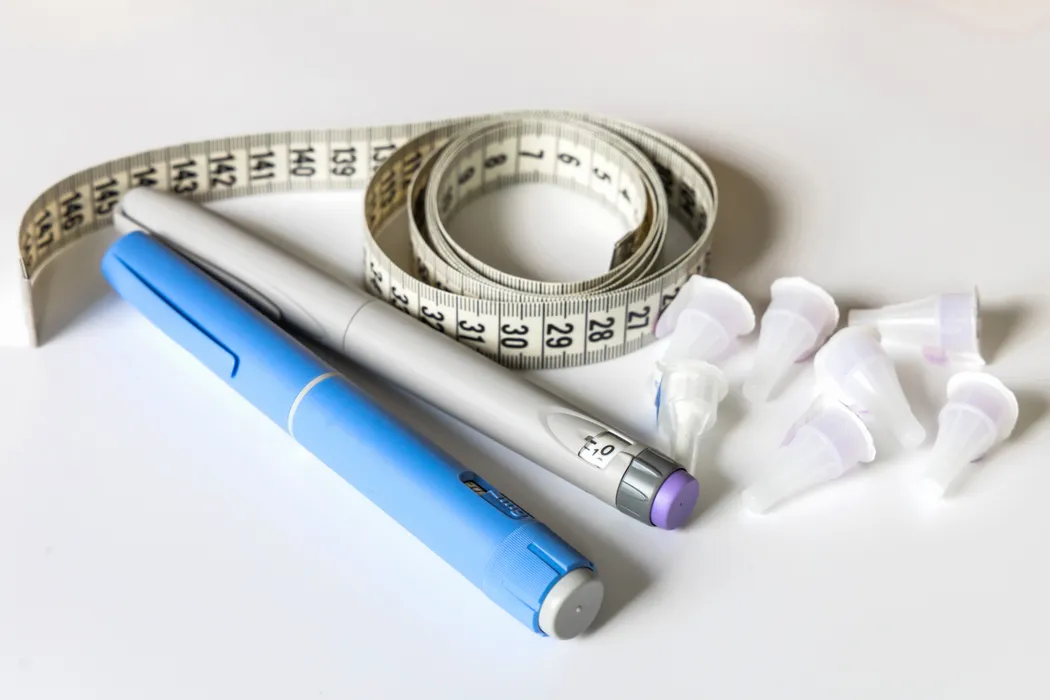
Currently, the most common way to take semaglutide for weight loss is through a once-weekly injection. While the needles are tiny and relatively painless, many people simply do not like shots.

Right now, an oral version of semaglutide (brand name Rybelsus) is available, but it is currently only approved for treating type 2 diabetes at lower doses. Looking ahead, high-dose oral semaglutide specifically designed for weight loss is advancing through clinical trials. If approved, a daily pill could make this life-changing medication accessible to millions of people who are hesitant to use injectable pens.

The Growing Semaglutide Pipeline: Combination Therapies


Another major focal point in the semaglutide pipeline is the development of "combination" drugs. Researchers are combining semaglutide with other hormone-mimicking compounds to create even more effective treatments.

One highly anticipated medication in the pipeline is CagriSema, which combines semaglutide with another drug called cagrilintide. Early trials suggest that this combination could lead to greater weight loss and better blood sugar control than taking semaglutide alone. We can expect to see more data on these combination therapies in the very near future.

Buy Semaglutide Tablets Here
 

Beyond Weight Loss: What's Next for Semaglutide?

When asking what's next for semaglutide, the most exciting answers lie in how the drug protects our vital organs. Doctors are discovering that weight loss is just the tip of the iceberg.

1. Cardiovascular Health and Heart Protection

One of the most significant breakthroughs recently was the discovery that semaglutide drastically reduces the risk of major cardiovascular events. Recent clinical trials showed that taking semaglutide can reduce the risk of heart attacks, strokes, and cardiovascular-related deaths by up to 20% in certain adults with heart disease and obesity. In the coming months, expect to see more insurance companies recognize semaglutide not just as a weight loss drug, but as a crucial, life-saving heart medication.

2. Kidney Disease Management

For individuals with type 2 diabetes, chronic kidney disease is a major concern. Recent trials (such as the highly publicized FLOW trial) were actually stopped early because the benefits of semaglutide were so overwhelmingly positive. The drug was shown to significantly slow the progression of kidney disease. In the future, semaglutide may become a standard tool for protecting kidney function.

3. Treating Sleep Apnea and Fatty Liver Disease

Obstructive sleep apnea and fatty liver disease are two conditions closely linked to excess weight. As part of the future of weight loss drugs, researchers are studying how semaglutide can alleviate these issues. Early evidence shows that as patients lose weight and inflammation decreases, symptoms of sleep apnea and fatty liver disease improve dramatically. The coming months will likely bring more official FDA approvals for these specific health conditions.
 

The Future of Weight Loss Drugs: Accessibility and Supply

It is impossible to talk about the future of semaglutide without addressing the elephant in the room: supply shortages and high costs.

Over the last few years, the demand for GLP-1 medications has vastly outpaced the supply, leading to frustrating pharmacy backorders. Furthermore, the out-of-pocket cost for these medications can be incredibly high. Here is what to expect regarding accessibility in the near future:

  • Increased Manufacturing: Pharmaceutical companies are investing billions of dollars into building new manufacturing plants. While the shortage won't end overnight, supply chains are expected to stabilize significantly over the coming months.
  • Expanded Insurance Coverage: As more studies prove that semaglutide prevents heart attacks and kidney failure, more health insurance providers, including Medicare, are facing pressure to cover the drug. Improved insurance coverage will make the medication affordable for the average family.
  • More Competition: The future of weight loss drugs will be highly competitive. With other medications like tirzepatide (Zepbound, Mounjaro) on the market, and more drugs in clinical trials, competition will eventually drive prices down and give patients more options.
     

Navigating Your Health Journey Safely


As we look forward to these exciting advancements, it is vital to remember that semaglutide is a serious prescription medication, not a quick fix. If you are taking or planning to take a GLP-1 drug, keep these healthy habits in mind:

Prioritise Protein: Because semaglutide reduces your appetite, you will be eating less. It is crucial to make the calories you do eat count. Focus on lean proteins to prevent losing muscle mass alongside body fat.


Start Strength Training: Incorporating weight lifting or resistance training into your routine helps maintain your strength and bone density while losing weight.


Stay Hydrated: Nausea and digestive upset are common side effects, especially when you first start taking the medication. Drinking plenty of water can help mitigate these symptoms.


Consult Your Doctor: Always speak to a licensed healthcare provider before starting or changing your medication regimen. They can help you determine if semaglutide is the right fit for your unique medical history.

The future of semaglutide is bright. What began as a diabetes treatment has evolved into a revolutionary tool for obesity, heart health, and potentially much more. As we move through the coming months, we will continue to see safer, more effective, and more accessible ways to utilize this incredible scientific breakthrough.


Buy Semaglutide Tablets Here


FAQS

Will semaglutide come in a daily pill form for weight loss?

Yes, an oral version of semaglutide designed specifically for weight loss is currently in late-stage clinical trials. While a lower-dose pill (Rybelsus) is already available for type 2 diabetes, a higher-dose daily pill for weight management is expected to be a major part of the future of semaglutide.

What are the most common side effects of semaglutide?

The most common side effects are gastrointestinal. This includes nausea, vomiting, diarrhea, constipation, and stomach pain. These side effects are usually mild to moderate and tend to decrease over time as your body adjusts to the medication. Always report severe or lingering side effects to your doctor.

Will insurance cover the future of semaglutide for weight loss?

Insurance coverage is rapidly evolving. Historically, many insurance plans did not cover weight loss medications. However, because new studies prove that semaglutide reduces the risk of heart attacks and strokes, insurance companies and Medicare are beginning to expand their coverage. Check with your specific provider for the most up-to-date information.

What happens if I stop taking semaglutide?

Obesity is now recognized by medical professionals as a chronic condition. If you stop taking semaglutide, your appetite will likely return to normal, and you may regain the weight you lost. For many people, GLP-1 medications are designed for long-term use, similar to taking blood pressure or cholesterol medication.

Can anyone take semaglutide?

No. Semaglutide is not for everyone. It is typically prescribed for adults with a Body Mass Index (BMI) of 30 or higher, or a BMI of 27 or higher with a weight-related health condition (like high blood pressure or type 2 diabetes). It is not recommended for people with a personal or family history of medullary thyroid cancer or Multiple Endocrine Neoplasia syndrome type 2 (MEN 2).

Apollo 247 Floating Action Button