0

Can We Give Water to a Newborn Baby? When & How Much?

Thinking of giving your newborn water? Learn why experts advise against it, when it's safe to start, and the risks of infant water intoxication.

article image

Dr. Kamran

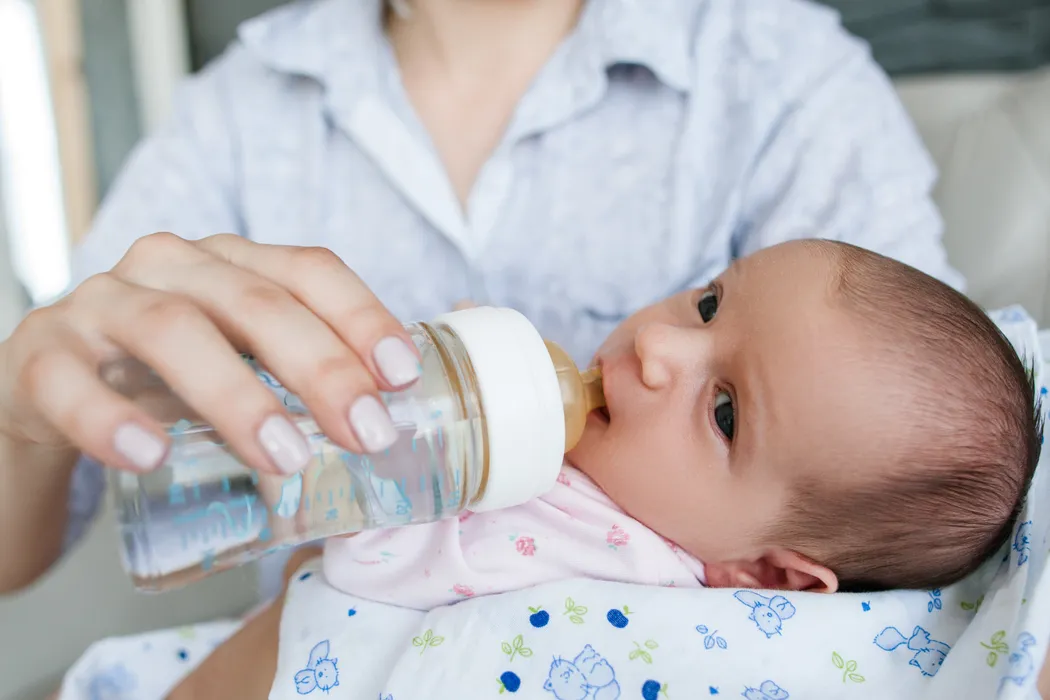
Welcoming a new baby into the world is a beautiful experience, but it also comes with a lot of questions. As a parent, you want to ensure your baby is healthy, happy, and well-hydrated. One of the most common questions new parents ask their paediatricians is: Can a newborn baby drink water?

It seems like a simple question. After all, adults need to drink plenty of water every day to stay healthy. However, babies have vastly different nutritional and biological needs compared to older children and adults. If you are wondering about the safety of water for a newborn baby, you have come to the right place.

In this comprehensive guide, we will explore exactly when to give water to a newborn baby, the risks of offering water too early, how to ensure your baby stays hydrated in hot weather, and answer some surprising questions about your baby’s overall comfort.

The Short Answer: No Water Before 6 Months

If you are asking if a newborn baby can drink water, the strict medical answer is no. According to the World Health Organisation (WHO) and major pediatric authorities, infants under six months of age should not be given plain water.

Until your baby reaches the six-month mark, their only source of nutrition and hydration should be breast milk or infant formula.

You might worry that your baby is getting thirsty, especially during the warmer months, but nature has already taken care of this! Breast milk is composed of about 80% water. The very first milk that comes out during a feeding, known as foremilk, is particularly thin and watery, perfectly designed to quench your baby’s thirst. Formula, when mixed exactly according to the manufacturer’s instructions, also contains the exact ratio of water and nutrients your baby needs.

Why Water for a Newborn Baby is Dangerous?

You might wonder why a few sips of water could be harmful. Introducing water for a newborn baby before their bodies are ready can lead to serious health complications. Here is why experts advise against it:

1. Risk of Water Intoxication

A baby's kidneys are very immature. If a newborn baby drinks water, their kidneys cannot process the excess fluid properly. This can lead to a dangerous condition called water intoxication (or hyponatremia). The excess water flushes out crucial electrolytes, like sodium, from the baby's bloodstream. This can cause irritability, swelling, brain swelling, and in severe cases, seizures or a coma.

2. Malnutrition and Weight Loss

A newborn’s stomach is incredibly small, about the size of a cherry at birth, and only the size of an apricot by week two. If you fill their tiny tummy with zero-calorie water, they will feel full and refuse breast milk or formula. This means they miss out on essential fats, proteins, and vitamins needed for rapid brain and body growth.

3. Disruption of Milk Supply

If you are breastfeeding, your body operates on a supply-and-demand system. Every time your baby fills up on water instead of nursing, your breasts receive a signal that less milk is needed. Over time, this can drastically reduce your milk supply.

Buy Water For Newborns

Load more products

When to Give Water to a Newborn Baby?

So, when does the rule change? The timeline for introducing water is directly tied to the introduction of solid foods.

  • 0 to 6 Months: No water. Breast milk or properly mixed formula only.
  • 6 to 12 Months: Once your baby starts eating solid foods around six months, you can introduce small sips of water. At this stage, water for a newborn baby (now an older infant) is not for hydration, but rather to help them practice drinking from a sippy cup or open cup, and to help prevent constipation from solid foods. Aim for just 2 to 4 ounces (about 60 to 120 ml) over the entire day.
  • 12 Months and Older: After their first birthday, babies can drink more water, and cow's milk can also be introduced.

How to Handle Hot Weather and Summer Months?

A major concern for parents is summer heat. It is a very common misconception that babies need extra water when it is hot outside. However, even in tropical or scorching climates, the WHO states that babies under six months do not need water.

Instead of offering water, simply offer more frequent feedings. Your baby will naturally want to nurse or take the bottle more often to stay hydrated.

If you are worried about your baby overheating, focus on their environment rather than changing their diet. Dress them in light, breathable cotton layers. Using a fan for new born baby is a great way to keep the air circulating in their room. Just ensure the fan is pointing toward the ceiling or a wall to create a gentle breeze, rather than blowing directly onto the baby’s face, which can startle them or dry out their skin.

What About Grape Water, Gripe Water, and Juices?

When looking into soothing remedies or alternative liquids, parents often ask: is grape water good for new born babies?

There is often confusion between "grape water" (water infused with grapes or grape juice) and "gripe water" (an herbal supplement used for colic).

  • Grape Juice/Grape Water: You should absolutely never give fruit juice or fruit-infused water to a newborn. The American Academy of Pediatrics (AAP) advises against giving any fruit juice to children under one year of age. It is full of sugars that can upset a newborn's delicate digestive system and ruin their appetite for nutritious milk.
  • Gripe Water: If you meant gripe water, which is commonly marketed for gas and colic, you should only ever give it if explicitly recommended by your pediatrician. Many commercial gripe waters contain unnecessary additives or sugars that a newborn does not need.

Additionally, when you are mixing powdered formula, the type of new born baby water you use is important. Always use safe, clean water (boiled and cooled tap water, or distilled water) and never add extra water to stretch the formula. Always follow the exact scoops-to-water ratio on the can.

How to Monitor Your New Born Baby Water Intake?

Since you won't be tracking ounces of plain water, how do you know your baby is getting enough fluids? You can monitor your baby's hydration by looking at their output.

A well-hydrated newborn should have:

  • Plenty of wet diapers: By the time a baby is one week old, they should have at least 6 heavily wet diapers in 24 hours.
  • Pale urine: The urine should be pale yellow and relatively odour-free. Dark or strong-smelling urine is a sign of dehydration.
  • Tears: While newborns don't always produce tears when they cry for the first few weeks, by month two, you should see tears.
  • A flat soft spot: The fontanelle (the soft spot on the top of the baby’s head) should be flat, not sunken inwards.

If you notice signs of dehydration, do not give water. Offer breast milk or formula immediately and contact your paediatrician.

Bonus Tips: Creating a Comfortable Environment

Hydration is just one part of keeping your baby healthy. Sleep and comfort are equally critical. Along with using a fan to keep the room cool, many parents wonder about lighting for the nursery.

You might ask, which colour light is good for a newborn baby? The best colour for a newborn's nightlight is a warm red or amber. Unlike blue or bright white lights (which suppress melatonin and stimulate the brain), red light does not interfere with a baby’s natural circadian rhythm. A soft red light allows you to see clearly enough for midnight diaper changes and feedings, while keeping the baby in a sleepy, relaxed state.

Load more products

Conclusion

Navigating the early months of parenthood can be overwhelming, but understanding your baby's nutritional needs doesn't have to be. While water is vital for human survival, water for a newborn baby is unnecessary and potentially dangerous.

Trust that your breast milk or properly prepared formula is providing 100% of the hydration your baby needs, even on the hottest days of the year. By waiting until the six-month mark to introduce water alongside solid foods, you are protecting your baby’s tiny kidneys, ensuring they get the calories they need to grow, and setting them up for a healthy future.

FAQs

Can I dip my baby’s pacifier in water?

No. While it might seem harmless, it is not recommended. It introduces unnecessary fluid and can sometimes introduce bacteria. If you need to soothe your baby, a clean, dry pacifier is best.

What happens if a baby drinks water by accident during a bath?

A tiny, accidental swallow of bathwater is usually nothing to panic about and will not cause water intoxication. However, always supervise bath time closely to prevent choking or swallowing large amounts of soapy water, which can upset their tummy.

Does giving water cure newborn hiccups?

No. Hiccups are incredibly common in newborns and are caused by spasms of the diaphragm. Offering water for a newborn baby will not cure hiccups and poses the risks mentioned earlier. Hiccups usually resolve on their own in a few minutes.

When mixing formula, can I add extra water to help with my baby's constipation?

Absolutely not. You must never dilute baby formula. Diluting formula reduces the nutritional value your baby receives and drastically increases the risk of water intoxication. If your baby is constipated, speak to your paediatrician.

How much water can a 6-month-old have?

Once your baby is 6 months old and starting solid foods, you can offer 2 to 4 ounces of water per day in a cup. Remember, breast milk or formula should still be their primary source of nutrition and hydration.

Apollo 247 Floating Action Button