When researching ways to shed stubborn fat, you might have stumbled upon the topic of glutathione and weight loss. With the health and wellness industry constantly buzzing about the next big supplement, it can be hard to separate fact from fiction. Weight loss is a complex journey. While diet and exercise are the foundation of any successful fitness plan, what happens inside your cells also plays a massive role in how easily you drop pounds. This is where antioxidants come in, specifically glutathione. Known as the body’s "master antioxidant," glutathione is vital for keeping your cells healthy, detoxifying your liver, and managing inflammation. But can it actually help you fit into your favourite pair of jeans? In this comprehensive guide, we will explore the real science behind glutathione and weight loss, how this powerful molecule functions in your body, and whether you should consider adding it to your wellness routine.
In this article
Glutathione for Weight Loss: Benefits Explained
Learn how glutathione may support weight loss by improving insulin sensitivity, reducing inflammation, and boosting metabolism. Discover benefit, supplements, and natural ways to increase glutathione.
Dr. Kamran
What is Glutathione?
Before diving into the link between glutathione and weight loss, it is important to understand what this molecule actually is. Glutathione is a naturally occurring antioxidant produced primarily in your liver. It is made up of three essential amino acids:
- Glutamine
- Glycine
- Cysteine
Think of glutathione as your body’s internal vacuum cleaner. Its main job is to sweep up "free radicals", unstable molecules that cause damage to your cells, a process known as oxidative stress. By neutralising these harmful molecules, glutathione protects your immune system, helps repair DNA, and keeps your liver functioning at its best.
However, poor diet, chronic stress, lack of sleep, environmental toxins, and natural ageing can deplete your body's glutathione levels. When your levels drop, your body struggles to fight off inflammation, which can negatively impact your overall health and your waistline.
What is the Link Between Glutathione and Weight Loss?
How exactly are these two linked? The connection lies in how your body metabolises fat and handles blood sugar. When your body has high levels of oxidative stress and inflammation, it struggles to manage insulin effectively. Insulin is the hormone responsible for regulating your blood sugar. If your body becomes "insulin resistant," it stops responding to insulin properly. Instead of using the sugar in your blood for energy, your body starts storing it as fat, particularly around your belly.
Many people ask, " Does glutathione cause weight loss directly? The straightforward answer is no. Glutathione is not a magic fat-burner that will melt pounds away while you sit on the couch. However, does glutathione help in weight loss? Absolutely, but in an indirect way. Studies suggest that restoring your antioxidant levels can improve your body’s insulin sensitivity. When your body responds well to insulin, it stores less fat and burns more of the food you eat for energy. Therefore, science suggests that glutathione helps in weight loss by creating a healthier internal environment where fat burning can actually occur.
How Glutathione Supports Your Fitness Goals?
To fully understand the glutathione weight loss connection, let's break down the specific ways this antioxidant supports a healthier body composition:
1. Supports Liver Function
Your liver is your primary fat-burning organ. It is responsible for filtering toxins and metabolising fats. Because glutathione is highly concentrated in the liver, keeping your levels high ensures your liver can process fats efficiently.
2. Boosts Energy and Muscle Recovery
Exercise is crucial for weight loss. Glutathione reduces the muscle damage and fatigue caused by intense workouts, helping you recover faster so you can stay consistent with your exercise routine.
3. Reduces Chronic Inflammation
Chronic inflammation is heavily linked to obesity. By lowering inflammation, glutathione helps break the cycle of weight gain and metabolic slowdown.
Glutathione Tablets for Weight Loss: Do They Work?
If you are convinced of the benefits, you might be considering a supplement. When searching for glutathione tablets for weight loss, you will find hundreds of options on the market. But do they actually work?
The challenge with standard oral glutathione tablets is absorption. When you swallow a standard glutathione pill, the enzymes in your stomach often break it down before it can reach your bloodstream.
Liposomal Glutathione
If you want to try a supplement, look for Liposomal Glutathione. Liposomal technology encases the antioxidant in a tiny fat bubble (a lipid), protecting it from your stomach acid and allowing it to be absorbed directly into your cells.
While supplements can be beneficial, remember that they are just a piece of the puzzle. The best weight loss glutathione strategy involves combining high-quality supplements with a balanced diet and regular exercise.
How to Take Glutathione for Weight Loss?
If you and your healthcare provider decide that supplementation is right for you, you may be wondering how to take glutathione for weight loss effectively. Here are a few general tips:
1. Choose the Right Form
As mentioned, opt for liposomal glutathione or a precursor supplement like N-Acetyl Cysteine (NAC), which gives your body the building blocks to make its own glutathione.
2. Pair it with Vitamin C
Vitamin C works synergistically with glutathione. Taking them together helps keep glutathione in its active, free-radical-fighting state.
3. Follow Dosage Guidelines
While dosages vary, a common starting point for liposomal glutathione is between 250mg to 500mg daily. Always follow the instructions on the product label and consult your doctor.
4. Be Consistent
Antioxidants build up in your system over time. Take your supplement daily, ideally on an empty stomach, to improve absorption.
Reviews On Glutathione Weight Loss?
When browsing the internet for glutathione weight loss reviews, you will find a mix of experiences. It is important to approach these reviews with realistic expectations. Many users report feeling more energetic, sleeping better, and experiencing less joint pain after starting glutathione. These benefits naturally lead to more active lifestyles, which in turn result in weight loss.'
Users who report the most success are those who combined their glutathione supplementation with a healthy diet and regular exercise. Reviewers who relied solely on the supplement without making lifestyle changes generally report little to no weight loss. This reinforces the fact that glutathione is a health optimiser, not a miracle cure.
Natural Ways to Boost Glutathione Levels
You don't necessarily need a pill to boost your antioxidant levels. You can naturally support glutathione and weight loss by making simple changes to your diet and lifestyle:
1. Eat Sulfur-Rich Foods
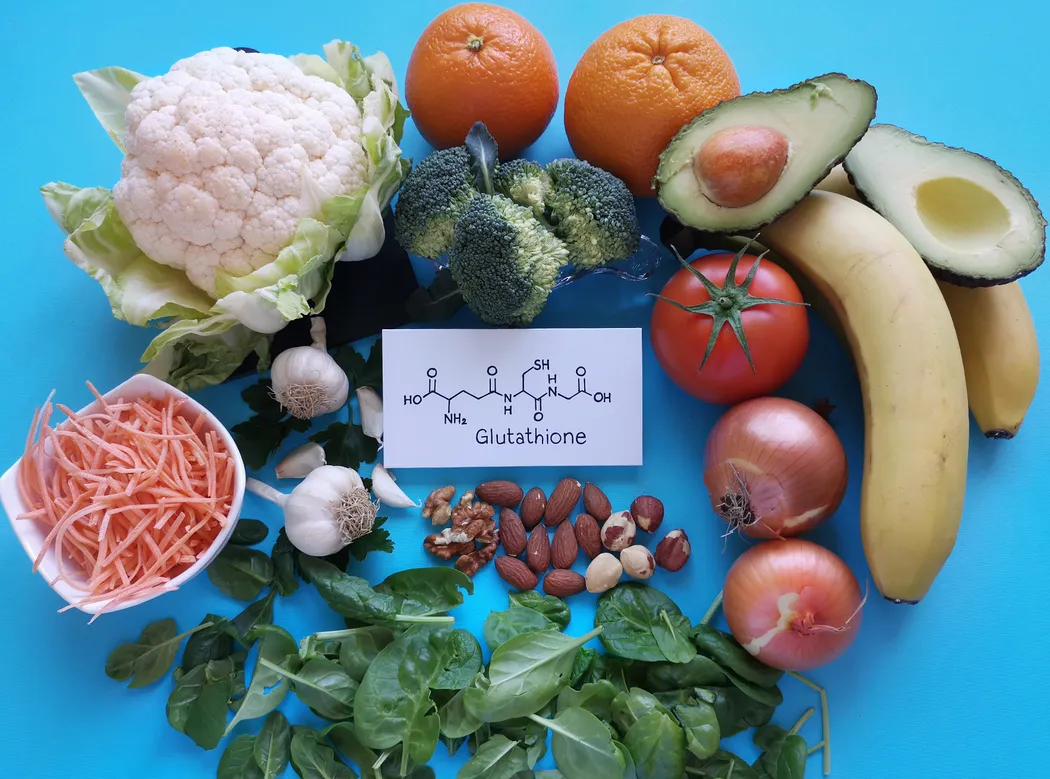
Glutathione requires sulfur for its synthesis. Incorporate plenty of garlic, onions, and cruciferous vegetables like broccoli, cauliflower, Brussels sprouts, and kale into your meals.
2. Consume Vitamin C-Rich Foods
Citrus fruits, strawberries, and bell peppers help maintain your existing glutathione levels.
3. Try Whey Protein
High-quality, cold-pressed whey protein contains a rich source of cysteine, one of the crucial building blocks of glutathione.
4. Prioritise Sleep
Chronic lack of sleep has been shown to deplete glutathione levels. Aim for 7 to 9 hours of quality sleep per night.
5. Exercise Regularly
Both aerobic exercise (like jogging) and strength training (like lifting weights) have been proven to increase glutathione levels in the body.
Conclusion
The link between glutathione and weight loss is rooted in overall cellular health. By reducing oxidative stress, supporting liver function, and improving insulin sensitivity, this master antioxidant lays the necessary groundwork for your body to shed excess weight. Remember, there is no substitute for a healthy diet and an active lifestyle. However, by optimising your internal health through natural foods, lifestyle habits, or high-quality supplements, you can give your body the extra support it needs to reach your weight loss goals.
FAQS
FAQS
Does glutathione help with weight loss?
Yes, but indirectly. Glutathione helps lower oxidative stress and inflammation, which can improve insulin sensitivity. Better insulin sensitivity makes it easier for your body to burn fat for energy instead of storing it, thereby supporting your overall weight loss efforts.
Does glutathione cause weight loss if I don't exercise or diet?
No. Glutathione is not an active fat burner. If you consume more calories than you burn and lead a sedentary lifestyle, taking a glutathione supplement will not cause you to lose weight. It must be paired with healthy habits.
Are there any side effects to taking glutathione supplements?
For most people, glutathione is considered safe. However, some individuals may experience mild side effects such as abdominal cramps, bloating, or allergic reactions (such as a rash). Always consult your primary care doctor before starting any new supplement.
How long does it take to see the benefits of glutathione?
.It varies from person to person. Some people notice an increase in energy and better sleep within a few weeks. However, for metabolic changes related to weight management, it may take a few months of consistent healthy eating, exercise, and optimised antioxidant levels to see visible results.
What is the best time of day to take glutathione?
Most health experts recommend taking glutathione on an empty stomach to maximize absorption. Taking it first thing in the morning or just before bed (at least two hours after your last meal) is usually ideal.


