0

In this article

  • Why Hair Colour Allergy in India Is Increasing
  • What Is Hair Colour Allergy?
  • How to Test for Hair Colour Allergy: Step-by-Step Guide
  • Safe Hair Dye Options for Sensitive Scalp
  • Allergy Tips for Hair Colouring
  • Alternatives to Chemical Hair Dyes
  • Who Should Be Extra Cautious?
  • Top Hair Dye Products available in India
  • 1. Indus Valley Hair Colour:
  • 2. Garnier Black Naturals:
  • 3. Godrej Expert Rich Creme Black Colour:
  • Conclusion

Hair Colour Allergy: Safe Test & Alternatives Guide

Learn how to test for hair colour allergy safely with a patch test. Discover symptoms, prevention tips, and the best hair dye options for a sensitive scalp in India.
 

article image

Apollo Pharmacy

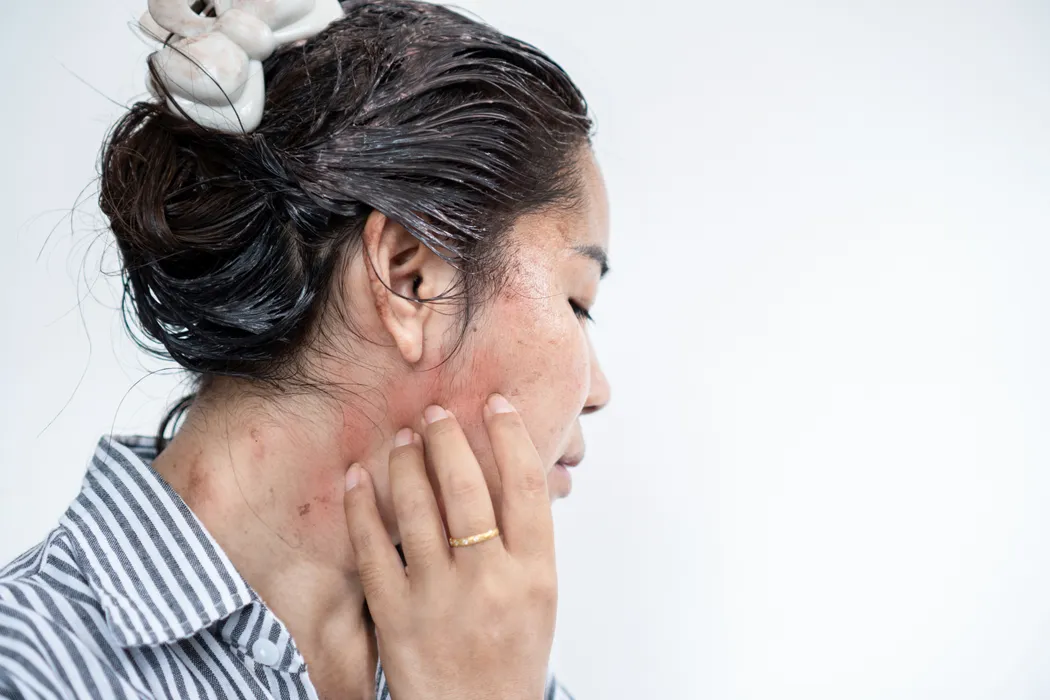
Hair colouring is a popular way to refresh your look, cover greys, or experiment with new styles, but for many people, it comes with a hidden risk: hair colour allergy India. Chemicals commonly found in hair dyes, such as PPD (para-phenylenediamine), ammonia, resorcinol, and hydrogen peroxide, can trigger allergic reactions ranging from mild scalp irritation to severe redness, itching, and swelling. These reactions can sometimes extend beyond the scalp to the neck, ears, and face.

For individuals with sensitive skin or a history of allergies, choosing a safe hair dye for sensitive scalp is crucial. Modern dye formulations, including herbal dyes, ammonia-free options, and low-PPD hair colours, offer vibrant, long-lasting results without compromising scalp health. By understanding potential triggers, performing proper patch tests, and exploring safe alternatives, anyone can enjoy professional-looking hair colour while minimising the risk of irritation. This guide emphasises allergy tips, safe colouring techniques, and a patch test guide to ensure worry-free hair colouring in India.
 

Why Hair Colour Allergy in India Is Increasing

Hair colour allergy is becoming increasingly common due to rising exposure to chemical-rich dyes and heightened awareness of scalp sensitivities.

  • Chemical Exposure: Traditional hair dyes contain a cocktail of chemicals like PPD, resorcinol, ammonia, and peroxide. These compounds can trigger immune reactions, particularly in sensitive individuals, leading to itching, redness, and rashes. Over time, repeated exposure may worsen the reaction.
  • Environmental Stressors: Indian cities often have high levels of pollution, UV exposure, dust, and heat. These conditions can weaken scalp defences, making it more prone to allergic reactions when combined with chemical dyes.
  • Increased Home Colouring: The popularity of home hair colour kits has surged, especially in metro areas. While convenient and cost-saving, using hair dyes without professional guidance can increase the likelihood of allergic reactions.
  • Neglected Patch Tests: Many users skip the patch test step, assuming all products are safe. This often results in unexpected reactions during or after colouring. A proper patch test is a simple yet essential precaution to prevent severe discomfort.
     

What Is Hair Colour Allergy?

A hair colour allergy occurs when your immune system misidentifies a chemical in the dye as a threat and triggers a reaction. Symptoms can vary in severity, ranging from mild irritation to serious discomfort.

  • Mild Symptoms: Mild reactions to hair dye are often the first signs that your scalp may be sensitive to chemicals. These include redness, slight itchiness, tingling, or a mild burning sensation at the application site. They usually appear immediately or within a few hours of applying the dye. While these symptoms may feel uncomfortable, they are generally not dangerous but indicate that the scalp is reacting to the chemicals. Monitoring mild symptoms closely can prevent them from escalating into more serious reactions.
  • Moderate Symptoms: Moderate symptoms indicate a stronger allergic response and are more noticeable than mild irritation. These can include swelling of the scalp, visible rashes behind the ears, or small raised bumps along the hairline and neck. These reactions suggest that the immune system is actively responding to the chemicals in the dye. While they may not be life-threatening, moderate symptoms can cause significant discomfort and should prompt immediate cessation of the dye use. Consulting a dermatologist is recommended to prevent worsening.
  • Severe Symptoms: Severe allergic reactions are rare but require urgent medical attention. Symptoms may include widespread hives, swelling of the face or eyes, intense itching, or difficulty breathing. These signs indicate a potentially life-threatening condition known as anaphylaxis, where the immune system reacts aggressively to the chemical allergens. Anyone experiencing severe symptoms should stop using the product immediately and seek emergency care. Timely action can prevent serious complications and protect overall health.
  • Chronic Irritation: Chronic irritation occurs when the scalp is repeatedly exposed to harsh chemicals without proper testing or precautions. Over time, this can lead to persistent dryness, flakiness, itching, long-term sensitivity, and even hair thinning or breakage. The immune system may become more reactive, making future dye applications riskier.

 Recognising and addressing early signs of irritation is essential to prevent permanent damage and maintain a healthy scalp. Regular patch tests and using safe hair dye for a sensitive scalp can help avoid chronic issues.
 

How to Test for Hair Colour Allergy: Step-by-Step Guide

The step-by-step guide includes

Step 1: Choose the Dye Carefully

Selecting the right product is the first step to preventing allergic reactions. Opt for a safe hair dye for a sensitive scalp; these are usually ammonia-free, low in PPD, or made with herbal ingredients like henna, amla, or aloe vera. Check labels for potential allergens and avoid products with strong chemical fragrances. Choosing a reputable brand that undergoes dermatological testing can further minimise risk.

Step 2: Perform a Patch Test

Apply a small amount of the dye on a discreet area, such as behind the ear or the inner elbow.

  • Leave it untouched for 48 hours. Do not wash the area, and avoid touching it to monitor for reactions accurately.
  • Watch for redness, swelling, itching, or irritation. Even mild reactions indicate sensitivity, so avoid using the product on your hair.

Step 3: Observe and Evaluate

If no reaction occurs within 48 hours, the dye is generally safe for your scalp.
Any signs of discomfort, redness, bumps, or swelling mean the product is unsafe for you.
For first-time users or those with sensitive skin, it’s wise to perform multiple patch tests for different shades or formulations.

Step 4: Repeat for New Products

Even if you’ve used a brand before, always perform a patch test for new shades or formulations. Ingredients vary across colours, and a previously safe brand may trigger an allergic reaction in a new product. Maintaining this routine ensures safe hair colouring at home or in salons and protects your scalp in the long term.
 

Safe Hair Dye Options for Sensitive Scalp


Choosing the right dye is crucial for minimising allergic reactions. The following options are generally safer for sensitive scalps:

  • Ammonia-Free Dyes: These dyes are gentler and cause less irritation, making them suitable for delicate scalp conditions.
  • Herbal or Organic Hair Colours: Natural ingredients like henna, amla, and aloe vera provide gentle colouring while nourishing the hair shaft and scalp.
  • Low-PPD Dyes: Reduced levels of para-phenylenediamine minimise the risk of allergic reactions while still delivering vibrant results.
  • Dermatologically-Tested Professional Dyes: Available at select salons or in home kits, these formulations are specifically designed for sensitive scalps, providing colour without compromising safety.

Tip: Always choose products explicitly labelled for sensitive skin or scalp to reduce the risk of irritation and achieve the desired hair colour safely.
 

Allergy Tips for Hair Colouring

Never apply dye to an inflamed or damaged scalp. Doing so increases the risk of severe reactions.

  • Follow the manufacturer’s instructions carefully, including timing, to avoid overexposure to chemicals.
  • Wear gloves during application, and protect your neck and ears with cotton or petroleum jelly to prevent staining and irritation.
  • Rinse hair thoroughly after colouring to remove any residual chemicals that may continue to irritate the scalp.

Keep the scalp moisturised and nourished post-colouring using oils or gentle conditioners to maintain a healthy barrier and prevent dryness.
 

Alternatives to Chemical Hair Dyes

If you have a history of allergies or extremely sensitive skin, consider safe alternatives:
Henna or Herbal Colours: 100% natural, provide conditioning benefits, and safely colour hair without harsh chemicals.

  • Temporary Hair Colour Sprays or Chalks: Non-permanent, minimally chemical-based options that allow experimentation with different shades.
  • Vegetable-Based Dyes: Plant-based blends deliver mild, natural tones while reducing allergic reactions.

These alternatives are ideal for people looking to protect hair health while still enjoying colour changes.
 

Who Should Be Extra Cautious?

  • Individuals with known skin allergies, eczema, or dermatological conditions.
  • People who have experienced scalp irritation after previous colouring sessions.
  • Residents of high-pollution or high-heat regions in India, where environmental stress can exacerbate chemical sensitivity.
  • Users of home hair colour kits, especially those using them for the first time, since DIY application increases the risk of improper use and allergic reactions.
     

Top Hair Dye Products available in India

The top hair dye products available in India include
 

1. Indus Valley Hair Colour: 

Indus Valley Hair Colour is a herbal-based formula designed to colour hair gently while maintaining scalp health. It is enriched with organic herbs like henna, amla, and aloe vera that help nourish hair and improve texture. The formula is free from ammonia, peroxide, and PPD, making it suitable for people looking for a more natural colouring option. It provides even grey coverage while adding shine and softness to the hair. 


Buy Indus Valley Hair Color Here
 

2. Garnier Black Naturals:

Garnier Black Naturals is a popular hair colour known for delivering rich, natural-looking black shades. Its oil-enriched cream formula helps nourish the hair during colouring and leaves it smooth and shiny. The easy-to-use sachet format makes it convenient for quick application at home. It provides long-lasting colour and effective grey coverage for everyday use.

 Buy Garnier Black Naturals Here
 

3. Godrej Expert Rich Creme Black Colour:

 Godrej Expert Rich Creme Hair Colour is a no-ammonia formula designed for gentle and effective grey coverage. Enriched with ingredients like aloe vera and milk protein, it helps keep hair soft, conditioned, and manageable after colouring. The creamy texture ensures easy mixing and smooth application. It delivers deep black colour while maintaining the hair's natural softness and shine.


 Buy Godrej Expert Rich Creme Black Colour Here
 

Conclusion


Hair colour allergy in India is a common concern, especially for those with sensitive skin or scalp conditions. Allergic reactions like itching, redness, swelling, or irritation can be distressing, but they can be minimised with the right precautions. Performing a thorough patch test before colouring is essential to detect sensitivities and prevent long-term scalp damage. Choosing a safe hair dye for a sensitive scalp, such as herbal, organic, low-PPD, or ammonia-free formulations, reduces chemical exposure while nourishing and strengthening hair. Natural alternatives like henna or vegetable-based dyes provide gentle, conditioning colour without compromising shine or vibrancy.
 

Apollo 247 Floating Action Button