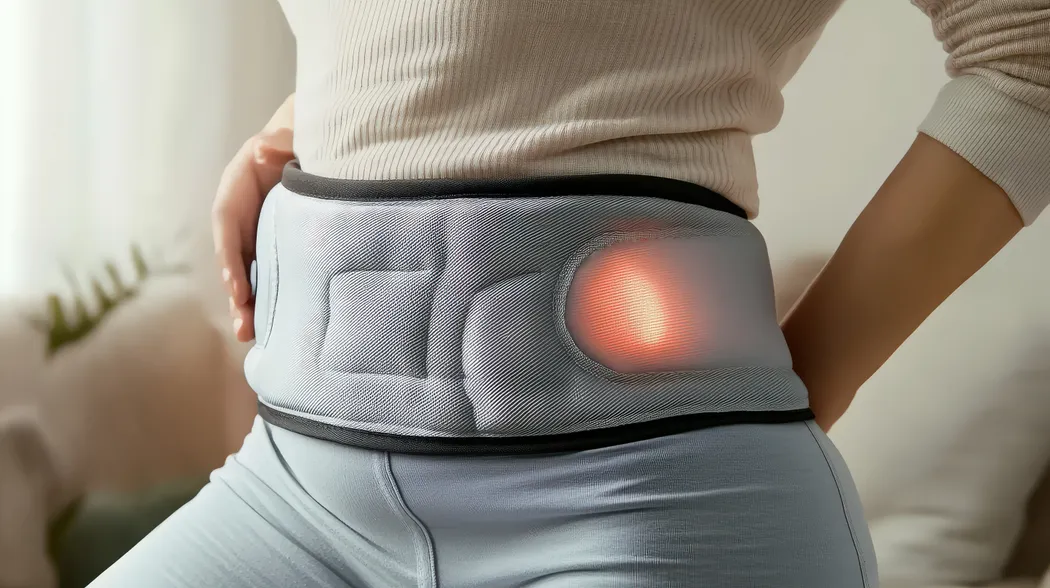
A heating belt is a common and affordable way to get quick relief from muscle aches, joint stiffness, and chronic pains in India. The gentle warmth it provides can soothe tense muscles and improve blood circulation. However, this helpful tool can become dangerous if used improperly, especially for certain people.
This guide is for everyone, especially Elderly, diabetics, and pregnant women, to understand when to avoid using heating belts to keep your comfort safe and effective. Safety comes first!
Heating Belt Safety: Health Warnings Every Indian Must Know!
Essential guide for Indians on when to avoid using heating belts. Covers risks for Elderly, diabetics, pregnant women, skin issues, and offers safe alternatives.
Apollo Pharmacy
Who Should Avoid Heating Belts?
Certain health conditions can make your body unable to safely manage or sense the heat from a heating belt. If you fall into any of these groups, you must talk to a doctor first.
Elderly Individuals:
- As we age, our skin becomes thinner and more sensitive to heat.
- Older adults may have slower reflexes, making it hard to adjust the belt or remove it quickly.
- There is a higher risk of serious burns because the body's heat tolerance is lower.
Diabetics with Neuropathy:
- Diabetes often causes nerve damage (neuropathy), leading to a loss of sensation.
- You might not feel how hot the heating belt is getting, which can cause severe burns without your awareness.
- Heat can also influence blood glucose levels, which is a significant negative consequence.
Pregnant women:
- While low settings on the back are usually safe for short periods, prolonged exposure can be risky.
- Overheating the core body temperature may be dangerous to the fetus, so caution is required.
- Always use a heating belt on the lowest setting for only 10 to 15 minutes.
People with Circulation Issues:
- Conditions like Deep Vein Thrombosis (DVT) mean heat could dislodge a blood clot, which is extremely dangerous.
- Heat increases blood flow, which can worsen inflammation and swelling in some vascular diseases.
Individuals with Skin Problems:
- If you have rashes, dermatitis, or open wounds, heat can make the condition much worse.
- Avoid using heating belts on any skin that is already injured or infected.


Risks Explained: Why You Need to Be Careful?
Ignoring the safety warnings, especially with an Electric Heating Pad, can lead to serious health issues:
Burns and Skin Damage:
- Leaving the heating belt on a high setting for too long can cause contact burns.
- The skin's ability to sense heat decreases when you are sleepy or lying on the pad.
- A web-like, dark rash called Erythema Ab Igne can appear from chronic, low-level heat exposure.
Overheating and Dehydration:
- Extended heat exposure can disrupt the body’s natural temperature regulation during sleep.
- This interference can lead to excessive sweating and dehydration, especially harmful for the Elderly.
Worsening Inflammation:
- For acute injuries (like a fresh sprain or recent trauma), heat increases blood flow and will worsen swelling and pain.
- In the first 24-48 hours of an injury, cold therapy is the correct treatment, not a heating belt.
Heart Strain:
- Heat causes blood vessels to widen, making the heart beat faster to maintain circulation.
- This increased heart rate is a significant risk for people with cardiovascular issues like chronic heart failure.
Doctor’s Advice: When to Use Heat vs. Cold
Understanding the difference between heat and cold therapy is key to effective and safe pain relief.
Heat Therapy (Heating Belt) is for:
- Chronic pain (pain that has lasted a long time) and stiffness, like in arthritis.
- Relaxing muscle spasms and improving flexibility in joints.
- Increasing blood flow to help heal affected tissues after the initial swelling has gone down.
Cold Therapy (Ice Pack) is for:
- Acute injuries (new injuries) that involve swelling, inflammation, or bruising.
- Immediate pain relief from a strain, sprain, or post-activity soreness.
- Reducing inflammation by constricting (narrowing) blood vessels in the area.
Important Consultation:
- If you are a diabetic or have nerve damage, you must seek medical advice before beginning any heat therapy.
- A physiotherapist can accurately diagnose your pain type and recommend the right approach.
Safe Alternatives for Pain Relief
If you are someone who must avoid using heating belts due to a health condition, there are excellent and safe alternatives available for pain relief:
Medicated Pain Patches:
- These stick to the skin and release medicine slowly, bypassing the digestive system to reduce systemic side effects.
- They are non-messy and provide targeted pain relief for a long time, often up to 8-12 hours.
Hot & Cold Reusable Gel Packs:
- These can be heated in a microwave or chilled in a freezer, offering flexible therapy.
- You can apply them with a cover for short, controlled bursts of warmth or cold.
Topical Analgesics:
- Pain relief sprays, gels, or roll-ons offer immediate, localized comfort without electrical risk.
Product Guide: Safer Options from Apollo Pharmacy
For targeted and safer pain relief without the risks of an electric heating belt, consider these products:
Pain Relief Patches:
- Amrutanjan Advanced Pain Relief Patch: Uses 'Hot Action' heat therapy with Ayurvedic ingredients for up to 8 hours of sustained relief.
- Viopatch Herbal Pain Relief Patch: A 100% herbal transdermal patch that provides sustained release for up to 12 hours.
Cooling Therapy:
- Doctor's Choice Hot & Cold Gel Pack: A versatile, reusable pack that can be used for heat or cold application as needed.
- Apollo Pharmacy Ice Bag: A simple, reusable way to apply cold therapy for swelling and acute pain.
Conclusion
The heating belt is a wonderful tool for muscle aches, but only when to avoid using heating belts is understood by everyone, including Elderly, diabetics, and pregnant women. Always prioritize safety by using a barrier, setting a timer, and never falling asleep with it on.
By being mindful of your specific health needs and choosing safe alternatives when necessary, you can ensure your journey to pain relief is both effective and completely risk-free.


