The ritual of hair oiling holds immense cultural and personal significance across India, viewed as the bedrock of strong, healthy hair. This age-old practice relies entirely on the quality and efficacy of the oil used. However, modern markets are flooded with products, making it confusing to distinguish genuine nourishment from mere gloss. Understanding the fundamental difference between herbal vs mineral oil for hair in India is the first step toward safeguarding your hair's health. We aim to empower you by decoding the complex hair oil ingredient label in India to ensure you choose oil that deeply benefits, rather than just coats, your precious locks.
Herbal vs Mineral Oils: The Real Truth for Indian Hair Care.
Decode your hair oil ingredient label India! Understand the vital difference between herbal vs mineral oil for hair India and choose pure, nourishing oil for all ages.
Apollo Pharmacy
In this article
- Know Your Base: The Two Main Types of Hair Oils and Their Functions
- The Fine Print: Decoding the Hair Oil Ingredient Label India
- What to Avoid: Hidden Traps That Undermine Hair Health
- The Product Guide: Making the Right Choice and How to Test Quality
- Reputable Choices: Suggestions for Indian Brands (Non-Exhaustive)
- Your Health Partner: Product Recommendations
- Making the Best Choice: The Conclusion
Know Your Base: The Two Main Types of Hair Oils and Their Functions
Know Your Base: The Two Main Types of Hair Oils and Their Functions
All hair oils can be broadly classified into two categories based on their origin and how they interact with the hair and scalp.
1. The Goodness of Herbal and Natural Oils
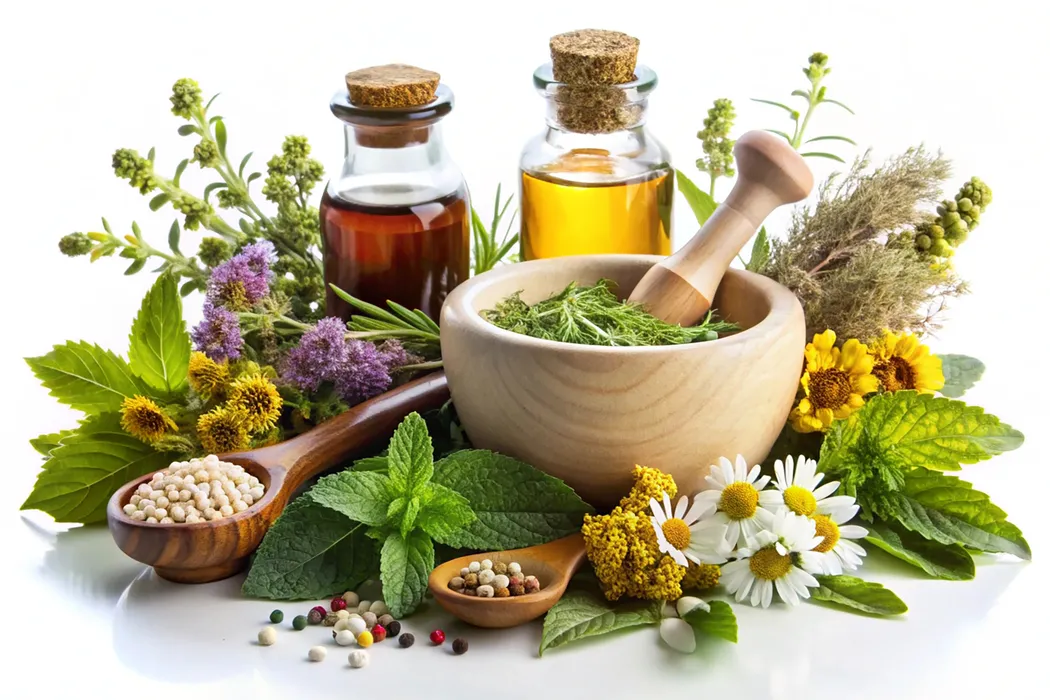
- Source and Composition: Herbal oils are derived directly from natural plant components, such as nuts, seeds, fruits, or flowers easily accessible locally.
- Key Examples: Common choices include cold-pressed coconut oil, almond oil, sesame (Til) oil, and potent traditional blends like bhringraj and amla oils.
- Deep Penetration: These oils are rich in medium-chain fatty acids and natural vitamins (like Vitamin E) that easily penetrate the hair shaft structure.
- True Nourishment: They genuinely moisturise the hair's inner cortex, strengthening it, reducing protein loss, and making the strands resilient against breakage.
- Scalp Health: Natural oils provide antifungal and anti-inflammatory properties, promoting a healthier scalp environment conducive to strong growth. Choosing wisely between herbal vs mineral oil for hair in India affects internal hair health.
- These oils support growth: Many traditional herbal bases are celebrated for stimulating better blood circulation to the follicles and encouraging hair growth naturally.
2. The Practicality and Pitfalls of Mineral Oils
- Source and Composition: Mineral oils are highly refined byproducts of crude petroleum, making them entirely synthetic and essentially devoid of any nutritional value.
- Label Terms: Watch for aliases on the hair oil ingredient label in India, such as Paraffinum Liquidum, Liquid Petrolatum, or even White Mineral Oil, which is used extensively.
- Surface Coating: Mineral oil simply forms a non-permeable film over the hair and scalp, which primarily offers a superficial shine and sealing effect only.
- No Internal Benefit: Because the molecules are too large to penetrate the hair shaft, they cannot provide the deep, restorative nourishment of plant-based options easily.
- Weight and Build-up: This surface coating can feel heavy, attracting dust and environmental pollutants, often leading to dullness and excessive build-up on the scalp quickly.
- Affordability Factor: Companies often use mineral oil as a cheap base or filler to drastically reduce production costs while still providing a smooth texture for the oil.
- For lasting health, prioritise herbal vs mineral oil for hair in India based on absorption.
- The synthetic base requires: More vigorous washing to remove completely, potentially leading to increased dryness from harsher cleansing agents over time.


The Fine Print: Decoding the Hair Oil Ingredient Label India
The Fine Print: Decoding the Hair Oil Ingredient Label India
Empowering yourself by learning how to read labels is the most crucial step in transitioning to healthier hair care products.
- Ingredients are Listed by Volume: The first five ingredients on a product label make up the bulk of the formula, indicating what the product mostly contains inside.
- Mineral Oil Check: If Paraffinum Liquidum or Mineral Oil is listed among the top three ingredients, the oil is fundamentally mineral-based, regardless of the marketing claims.
- Fragrance vs. Essential Oils: Differentiate between "Fragrance" (a generic term for chemical perfumes that can irritate) and specific "Essential Oils" (which offer natural scent and therapeutic benefits).
- Synthetic Colourants: Ingredients ending with a number preceded by a 'CI' (Colour Index) or listed as FD&C colours are unnecessary dyes that can pose allergy risks to your skin.
- Understand 'Enriched' Claims: A label may say "Enriched with Coconut" even if the product contains only 1% coconut oil and 90% mineral oil as the inexpensive base.
- The true hair oil ingredient label India provides: An objective overview, requiring you to look past persuasive brand names and appealing, deceptive packaging prominently displayed.
- Avoid Hidden Fillers: Watch for inexpensive vegetable oils like sunflower or soybean oil that, while natural, are used as fillers and may not offer the same targeted benefits as traditional hair oils.
- Check Preservatives: Look for gentle preservatives if the product is a blend or contains water, but avoid parabens or formaldehyde-releasing chemicals whenever possible for sensitive scalps.
What to Avoid: Hidden Traps That Undermine Hair Health
What to Avoid: Hidden Traps That Undermine Hair Health
Beyond the base oil type, be aware of other ingredients that can compromise the effectiveness of your choice of herbal vs mineral oil for hair in India.
- Heavy Silicones for Shine: Ingredients ending in -cone (like Dimethicone) offer instant shine but can lead to heavy buildup on the hair and scalp over the long term.
- Alcohols That Dry: Certain alcohols, like isopropyl or SD alcohol, are drying agents often used to make the oil feel lighter, but they can significantly strip the hair's moisture fast.
- Harsh Surfactants: Although primarily in shampoos, some oil treatments contain mild surfactants; ensure they are gentle to prevent damaging the fragile hair cuticle and scalp barrier.
- Phthalates and Parabens: These are common chemical preservatives and plasticisers often linked to potential endocrine disruption and should ideally be avoided in daily use products entirely.
- Excessive Heat Damage: Remember that even the best herbal oils can cause damage if heated excessively during application; warm the oil slightly, never boil it completely.
- Ignoring the scalp: Using heavy oils that clog the follicles and cause inflammation is a key mistake in herbal vs mineral oil for hair in India applications.
- Prioritise gentle formulations: Selecting products with minimal, identifiable ingredients reduces the overall chemical load on your hair and body consistently
The Product Guide: Making the Right Choice and How to Test Quality
The Product Guide: Making the Right Choice and How to Test Quality
Equipped with label knowledge, here’s how to confidently select and verify the quality of a pure hair oil.
Choosing the Right Herbal Oil
- Match Oil to Hair Need: Choose coconut oil for maximum penetration, almond oil for softness, or castor oil for thickness, targeting specific hair goals always.
- Cold-Pressed is Gold: Always seek oils labelled "Cold-Pressed", as this extraction method preserves essential nutrients, vitamins, and antioxidants lost during extensive heat processing.
- Seasonal Switching: Consider lighter oils like jojoba or argan in humid summer months and richer oils like olive or sesame in the dry winter season in India.
- DIY Infusions: Consider making your own herbal infusions by easily soaking dried herbs like hibiscus or methi (fenugreek seeds) in a base of pure coconut oil easily at home.
- Purity over Blend: A single-ingredient oil is often a safer, purer investment than a complex, highly processed blend with many unknown ingredients added in.
How to Test Oil Quality at Home?
- The Fridge Test: Pure coconut oil should solidify completely when placed in the refrigerator, confirming its saturation and purity easily within 24 hours.
- Absorbency Test: Apply a small amount of oil to a patch of skin; a good herbal oil should absorb noticeably over an hour, while mineral oil will primarily sit on the surface.
- Odour Check: High-quality cold-pressed oils should have a subtle, natural scent related to the source (e.g., coconuts or sesame seeds), indicating less refinement immediately.
- Viscosity Test: Place a drop of the oil on a slope; mineral oil will run very fast and thinly, while high-quality herbal oil tends to move more slowly due to its density and richness.
- Quality testing helps verify the hair oil ingredient label India claims reliably.
- Patch Test Sensitivity: Before full application, always perform a small patch test on your inner arm to check for any immediate allergic reactions or skin sensitivity before use.
Reputable Choices: Suggestions for Indian Brands (Non-Exhaustive)
Reputable Choices: Suggestions for Indian Brands (Non-Exhaustive)
While the choice depends on your specific hair needs, several Indian brands focus on natural, high-quality, or traditional herbal formulations.
- Ayurvedic Focus: Look for brands that strictly adhere to traditional Ayurvedic preparation methods, ensuring the inclusion of potent, natural herbs in their formulations.
- Single-Ingredient Suppliers: Consider brands specialising in pure, cold-pressed single oils like coconut or sesame, often found in local organic stores or specialised suppliers locally.
- Transparent Labelling: Support companies that provide transparent hair oil ingredient label information for India, clearly listing the botanical names and percentages of key components used.
- Avoid Overly Cheap Options: Extremely low-priced hair oils are a major red flag, often indicating the use of cheap mineral oil fillers to cut down on the cost of the raw, expensive natural ingredients.
- Read Customer Reviews: Research reviews, specifically those addressing long-term use and deep conditioning benefits, rather than just initial shine feedback online.
- The decision between herbal vs mineral oil for hair in India supports local traditions and purity.
Your Health Partner: Product Recommendations
Your Health Partner: Product Recommendations
To support your commitment to pure, nourishing hair care (check availability on apollopharmacy.in for generic equivalents):
- Pure Virgin Coconut Oil: Ideal for maximum hair penetration, use it as an overnight deep conditioning mask for intense repair and moisture.
- Ayurvedic Bhringraj and Amla Oil: Excellent traditional ingredients known to help reduce hair fall, promote scalp health, and strengthen the hair roots naturally.
- Gentle Exfoliating Scalp Scrub: Use a gentle scrub monthly to remove any buildup (especially if switching from mineral oil), allowing your new herbal oil to penetrate better.
Making the Best Choice: The Conclusion
Making the Best Choice: The Conclusion
The choice between herbal vs mineral oil for hair in India is clear: choose deep, lasting nourishment over temporary, superficial shine. By becoming an expert at reading the hair oil ingredient label India, you take control of your hair's destiny. Opt for purity, choose cold-pressed herbal oils, and embrace this traditional ritual with confidence, knowing you are giving your hair the best possible foundation for health and beautiful growth.


