0

Hernia in Newborn Babies: Types & Treatment

Learn about hernia in newborn babies, including types, symptoms, causes, and treatment options. Understand when medical care is needed and how hernias are managed in infants.

article image

Dr. Mayank

Bringing a new baby home is an exciting and joyful experience, but it can also come with its share of worries. As parents, we often examine every little detail about our baby to make sure they are healthy. So, noticing an unusual lump or bulge on your baby’s tummy or groin area can understandably cause concern.

Finding a hernia in newborn baby can be alarming at first. However, the reassuring news is that this is a very common and highly treatable paediatric condition. In many cases, hernias in infants are easily managed, and some may even resolve naturally as the baby grows. In this comprehensive guide, we will explain what a hernia is, the different types that affect newborns, how to recognise the warning signs, and the safest treatment options available for your baby.

What Exactly Is a Hernia in Newborn Baby?

Before understanding the different types, it helps to know how a hernia forms. During pregnancy, a baby’s abdominal muscles gradually develop to support and protect internal organs. Sometimes, small openings or weak spots remain in the abdominal wall after birth. When tissue, fluid, or part of the intestine pushes through these weak areas, it creates a visible bulge under the skin. This bulge is known as a hernia. Although the term “hernia” may sound concerning, it simply means that something inside the body is pushing through a weak spot in the surrounding muscle. In newborns, these openings are usually related to normal foetal development that has not fully closed before birth.

Types of Hernias in Babies

In infants, doctors generally identify two main types of hernias depending on where the bulge appears.

Umbilical Hernia in Newborn Baby

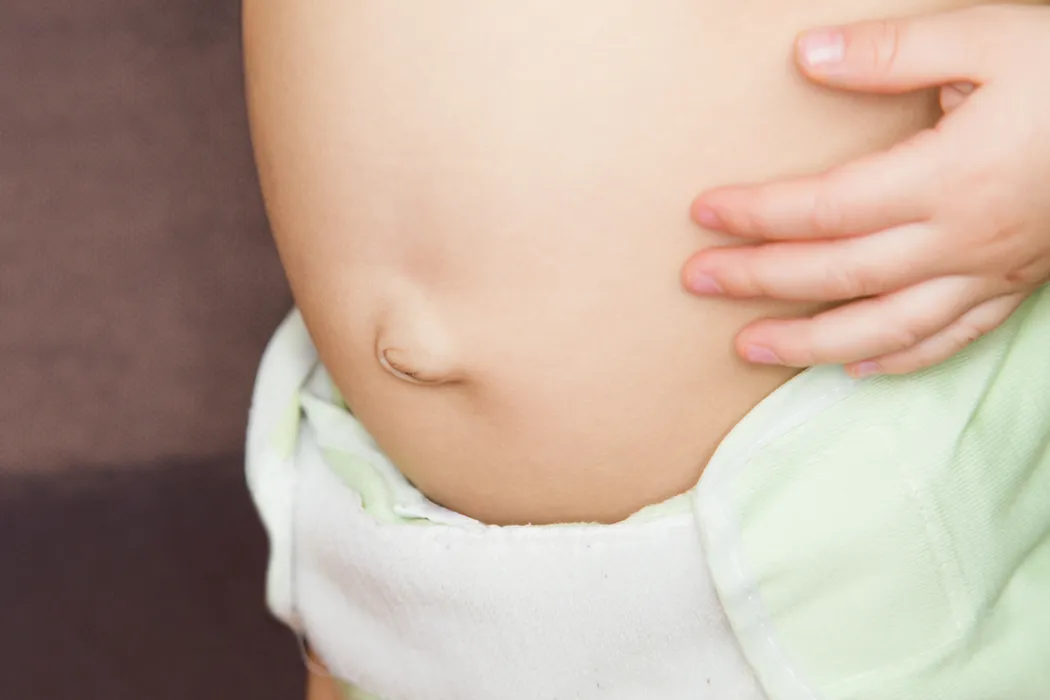
An umbilical hernia in newborn baby appears around the belly button (umbilicus). During pregnancy, the umbilical cord passes through a small opening in the baby’s abdominal muscles. Normally, this opening closes soon after birth. If the muscles do not close completely, a small gap may remain.
When a baby cries, coughs, or strains during bowel movements, pressure inside the abdomen may push tissue through this gap, causing the belly button area to bulge outward.

Who is more likely to get it?

Umbilical hernias are very common and affect up to 20% of newborns. They are more frequently seen in premature babies and those with low birth weight.

Is it dangerous?

In most cases, umbilical hernias are harmless and painless. They rarely cause discomfort and usually close naturally as the baby grows.

Inguinal Hernia in Newborn Baby

An inguinal hernia in newborn baby develops in the groin region and may extend into the scrotum in boys or the labia in girls. During foetal development, a small passage called the inguinal canal allows certain structures to move into their proper positions. If this canal does not close properly before birth, part of the intestine can move into the opening and create a bulge in the groin.

Who is more likely to get it?

A hernia in newborn baby boy is significantly more common than in girls. Boys are up to six times more likely to develop an inguinal hernia. Premature infants also have a higher risk.

Is it dangerous?

Unlike umbilical hernias, inguinal hernias usually do not resolve on their own. There is a risk that part of the intestine may become trapped, which requires medical treatment.
Causes: Why Do Newborns Get Hernias?

Many parents believe that excessive crying or straining causes hernias in babies. However, this is a myth. Crying may make a hernia more noticeable because it increases abdominal pressure, but it does not cause the condition.

The main causes are related to development before birth:

  • Prematurity: Babies born early may have abdominal muscles that have not fully developed.
  • Genetics: Hernias can run in families. If a parent or sibling had a hernia during infancy, the baby may be more likely to develop one.
  • Incomplete Foetal Development: In some babies, the abdominal muscles or openings simply take longer to close completely.

Parents should remember that a hernia in newborn baby is not caused by anything they did or did not do.

Signs and Symptoms to Watch For

Hernias are often noticed during routine activities such as diaper changes or bath time.

Common signs include:

  • A soft bulge or lump near the belly button or groin area.
  • The lump may become larger when the baby cries, coughs, or strains.
  • The bulge often shrinks or disappears when the baby is relaxed or sleeping.
  • The lump is usually painless when touched.
  • In many cases, the bulge can be gently pushed back into the abdomen. This is called a reducible hernia.

Warning Signs of an Emergency

Although most hernias are harmless, complications can sometimes occur. One such complication is an incarcerated hernia, where the intestine becomes trapped in the opening. If the blood supply is cut off, it can develop into a strangulated hernia, which is a medical emergency.

Seek immediate medical attention if you notice:

  • The hernia becomes hard and cannot be pushed back in.
  • The bulge turns red, purple, or dark in colour.
  • Your baby is crying intensely or appears to be in severe pain.
  • The baby experiences vomiting or abdominal swelling.
  • Your baby stops passing stool or gas.

Explore Baby Care Products Here

Load more products

Diagnosis and Treatment Options

Diagnosing a hernia in infants is usually straightforward. A paediatrician can often identify it through a physical examination by gently feeling the baby’s abdomen or groin. In some cases, a painless ultrasound scan may be used to confirm the diagnosis or determine what tissue is involved. Treatment depends on the type of hernia.

Treating an Umbilical Hernia

For most babies, treatment involves monitoring the condition over time. As the baby grows, the abdominal muscles usually strengthen and close the opening naturally. Most umbilical hernias close by the time the child is 1 to 2 years old.

Important Note: Avoid placing coins, tape, or tight bandages over the belly button. This outdated practice does not help the hernia heal and may cause skin irritation or infection.
Surgery may be recommended only if:

  • The hernia is very large.
  • It causes pain.
  • It does not close by 4 to 5 years of age.

Treating an Inguinal Hernia

Unlike umbilical hernias, inguinal hernias require surgery because they do not close on their own. Although the idea of surgery for a newborn may sound frightening, paediatric hernia repair is one of the safest and most common procedures performed in infants.

  • The Procedure: The surgery is performed under general anaesthesia. A small incision is made in the groin, the intestine is gently moved back into place, and the opening in the muscle is closed.
  • Recovery: The operation usually takes less than an hour, and many babies can return home the same day. Most infants recover quickly and return to their normal activities within 24 to 48 hours.

Caring for Your Baby Before and After Treatment

Whether you are waiting for an umbilical hernia to close or preparing for surgery, daily care remains simple.

  • Feed Normally: Continue breastfeeding or formula feeding as usual. Keeping your baby comfortable may reduce excessive crying.
  • Prevent Constipation: Straining during bowel movements can make the hernia bulge more noticeable. Speak with your paediatrician if constipation becomes a concern.
  • Post-Surgery Care: If surgery is performed, keep the diaper area clean and dry to prevent infection. Sponge baths may be recommended until the incision has healed.

Explore Baby Care Products Here

Load more products

Conclusion

Discovering a hernia in newborn baby can be worrying for parents, but it is important to remember that this condition is both common and highly manageable. Many umbilical hernias heal naturally as babies grow, while inguinal hernias can be safely treated with a simple surgical procedure. By recognising the symptoms early and following your paediatrician’s guidance, you can ensure your baby receives the appropriate care and remains healthy and comfortable. If you ever notice unusual changes in your baby’s hernia or feel concerned, do not hesitate to seek medical advice.

FAQs

Does a hernia hurt my baby?

In most cases, a hernia in newborn baby is painless. The baby may cry for other reasons such as hunger or discomfort, which can make the hernia bulge more visible.

Can a hernia heal on its own?

Umbilical hernias often close naturally by the time a child is around two years old. However, inguinal hernias do not heal on their own and usually require surgery.

How long does hernia surgery take for a newborn?

The procedure generally takes 30 to 45 minutes, and many babies are able to return home the same day.

Are certain babies more likely to develop hernias?

Yes. Premature babies and infants with low birth weight have a higher risk. Boys are also more likely to develop inguinal hernias than girls.

When should I take my baby to the emergency room?

Immediate medical care is necessary if the hernia becomes hard, swollen, or discoloured or cannot be pushed back into the abdomen or if your baby experiences vomiting or severe pain.

Apollo 247 Floating Action Button