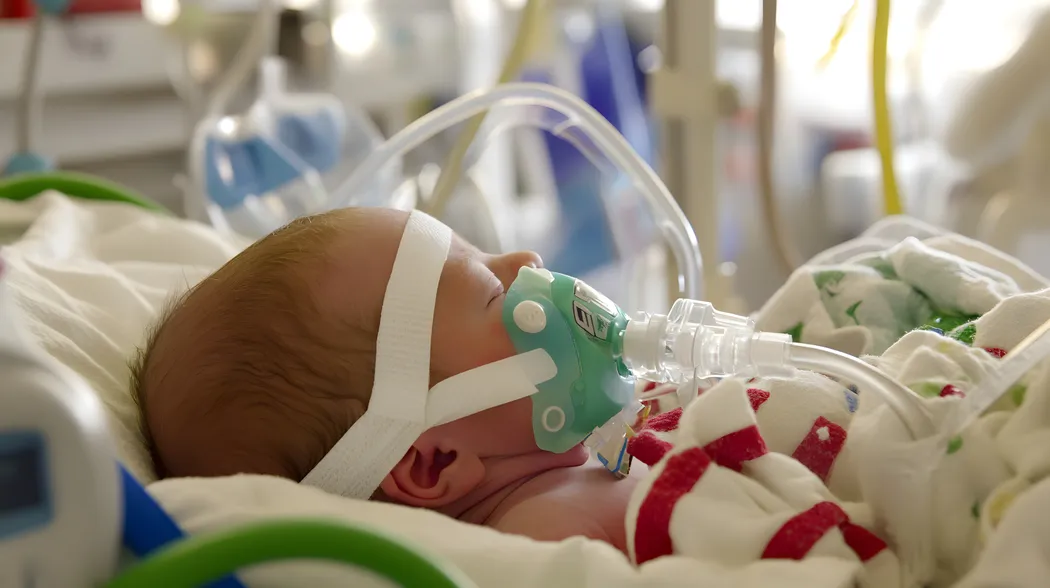
Many parents wonder why their baby needs extra help. Several factors can lead to an infant needing specialised care. Sometimes, these issues are identified months before birth during routine ultrasounds, allowing parents and doctors to prepare. In other cases, they happen completely unexpectedly during labour and delivery.
The causes of a high-risk newborn generally fall into three distinct categories: maternal factors, pregnancy complications, and infant factors.
1. Maternal Health Factors
A mother’s health before and during pregnancy plays a vital role in fetal development. Certain conditions can increase the chances of early delivery or infant health struggles:
- Age: Mothers who are under the age of 17 or over the age of 35 have a statistically higher risk of delivering a vulnerable infant.
- Chronic Health Conditions: Pre-existing conditions like diabetes, high blood pressure (hypertension), autoimmune diseases, or thyroid disorders.
- Lifestyle Factors: Smoking, alcohol consumption, or the use of certain medications and drugs during pregnancy.
- Infections: Maternal infections such as Group B Strep, Zika, or cytomegalovirus (CMV) can be passed to the infant.
2. Pregnancy and Delivery Complications
Sometimes, the mother is perfectly healthy, but complications arise strictly related to the pregnancy itself:
- Preeclampsia: A serious blood pressure condition that can restrict blood flow to the placenta, often requiring early delivery.
- Multiple Gestation: Carrying twins, triplets, or more increases the likelihood of premature birth and low birth weight.
- Placental Issues: Conditions like placenta previa (placenta covering the cervix) or placental abruption (placenta separating from the uterus) can disrupt the baby’s oxygen supply.
- Gestational Diabetes: Blood sugar issues that develop specifically during pregnancy can lead to overly large babies who struggle with blood sugar crashes after birth.
3. Infant Factors
Finally, conditions specific to the baby themselves can necessitate high-risk care:
- Premature Birth: Babies born before 37 weeks of pregnancy are the most common residents of the NICU. Their lungs, brains, and immune systems are not fully mature.
- Low Birth Weight: Babies weighing less than 5.5 pounds (2500 grams), regardless of whether they were born early or on time.
- Birth Defects: Congenital anomalies, such as congenital heart defects, spina bifida, or cleft palate.
- Respiratory Distress: Difficulty breathing due to fluid in the lungs or lack of surfactant (a slippery substance that keeps lung air sacs open).