0

High-Risk Newborn Baby: Causes, Signs & NICU Care

Learn about the causes and early signs of high-risk newborn conditions. Discover how NICU specialised care supports premature or ill infants during their critical first days.
 

article image

Dr. Nallapu Siri

Welcoming a new baby into the world is usually a joyous, highly anticipated time. However, that joy can quickly turn into anxiety if your little one requires extra medical attention immediately after birth. Hearing a doctor say that you have a high-risk newborn baby can be deeply frightening for any parent.

If you are facing this situation, take a deep breath. Modern medicine and dedicated neonatal healthcare teams are incredibly well-equipped to help vulnerable infants survive and thrive. You are not alone on this journey. In this comprehensive guide, we will explain what makes a baby high-risk, the most common causes, the warning signs doctors look out for, and what you can expect if your baby needs to stay in the Neonatal Intensive Care Unit (NICU).
 

Load more products

What Exactly is a High-Risk Newborn Baby?

A high-risk newborn baby is an infant who has a significantly greater chance of experiencing medical complications in their first days or weeks of life compared to a healthy, full-term infant. Because their bodies may not be fully developed or because they are fighting an illness, these infants have trouble transitioning to life outside the womb.

These babies require close monitoring, advanced medical technology, and specialised nursing care to ensure they stabilise, heal, and grow safely. While the term "high-risk" sounds intimidating, it simply means your baby's medical team is placing them on high alert to provide proactive, life-saving care.
 

Common Causes of a High-Risk Newborn

Many parents wonder why their baby needs extra help. Several factors can lead to an infant needing specialised care. Sometimes, these issues are identified months before birth during routine ultrasounds, allowing parents and doctors to prepare. In other cases, they happen completely unexpectedly during labour and delivery.

The causes of a high-risk newborn generally fall into three distinct categories: maternal factors, pregnancy complications, and infant factors.

1. Maternal Health Factors

A mother’s health before and during pregnancy plays a vital role in fetal development. Certain conditions can increase the chances of early delivery or infant health struggles:

  • Age: Mothers who are under the age of 17 or over the age of 35 have a statistically higher risk of delivering a vulnerable infant.
  • Chronic Health Conditions: Pre-existing conditions like diabetes, high blood pressure (hypertension), autoimmune diseases, or thyroid disorders.
  • Lifestyle Factors: Smoking, alcohol consumption, or the use of certain medications and drugs during pregnancy.
  • Infections: Maternal infections such as Group B Strep, Zika, or cytomegalovirus (CMV) can be passed to the infant.

2. Pregnancy and Delivery Complications

Sometimes, the mother is perfectly healthy, but complications arise strictly related to the pregnancy itself:

  • Preeclampsia: A serious blood pressure condition that can restrict blood flow to the placenta, often requiring early delivery.
  • Multiple Gestation: Carrying twins, triplets, or more increases the likelihood of premature birth and low birth weight.
  • Placental Issues: Conditions like placenta previa (placenta covering the cervix) or placental abruption (placenta separating from the uterus) can disrupt the baby’s oxygen supply.
  • Gestational Diabetes: Blood sugar issues that develop specifically during pregnancy can lead to overly large babies who struggle with blood sugar crashes after birth.

3. Infant Factors

Finally, conditions specific to the baby themselves can necessitate high-risk care:

  • Premature Birth: Babies born before 37 weeks of pregnancy are the most common residents of the NICU. Their lungs, brains, and immune systems are not fully mature.
  • Low Birth Weight: Babies weighing less than 5.5 pounds (2500 grams), regardless of whether they were born early or on time.
  • Birth Defects: Congenital anomalies, such as congenital heart defects, spina bifida, or cleft palate.
  • Respiratory Distress: Difficulty breathing due to fluid in the lungs or lack of surfactant (a slippery substance that keeps lung air sacs open).
     

Warning Signs in a High-Risk Newborn Baby

Immediately after birth, medical professionals evaluate every infant using the Apgar score, which checks heart rate, breathing, muscle tone, reflexes, and skin colour at one and five minutes after birth.

If an infant scores low or exhibits specific physical symptoms, they will be rushed to the NICU for further evaluation. Key warning signs that a high-risk newborn baby needs immediate intervention include:

  • Breathing Difficulties: This includes rapid breathing, grunting sounds when exhaling, or flaring of the nostrils, which indicates the baby is working too hard to get oxygen.
  • Abnormal Skin Colour: A persistent blue tint around the lips and face (cyanosis) indicates low oxygen. Severe yellowing of the skin and eyes (jaundice) within the first 24 hours can indicate liver or blood issues.
  • Temperature Instability: An inability to maintain a normal body temperature, becoming either too cold or running a fever.
  • Lethargy or Poor Muscle Tone: A baby who is unusually floppy, unresponsive, or too weak to wake up and cry.
  • Feeding Intolerance: An inability to suck or swallow, or excessive vomiting after attempting to feed.
  • Seizures or Tremors: Abnormal, repetitive body movements that could indicate neurological distress or low blood sugar.

Explore Special Care Infant Formula Powder
 

Load more products

Inside the NICU: Caring for Your Baby

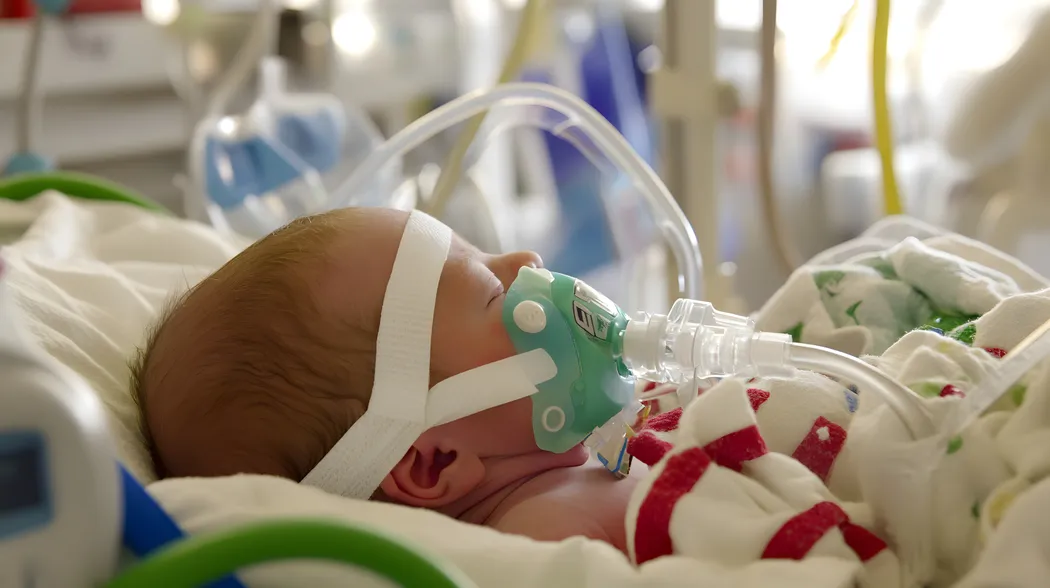
When a baby requires intensive care, they are admitted to the Neonatal Intensive Care Unit (NICU). Walking into the NICU for the first time can be overwhelming. The room is filled with bright lights, beeping monitors, and complex medical equipment. However, it helps to understand that every machine serves a specific, protective purpose for your child.

Here is a breakdown of the team and technology supporting your high-risk newborn baby:

The Healthcare Team

Your baby will be cared for by a multidisciplinary team. This includes Neonatologists (paediatricians who specialise in critical care for newborns), neonatal nurses, respiratory therapists, dietitians, and occupational therapists. Together, they create a customised care plan for your infant.

Essential NICU Equipment

  • Incubators (Isolettes): These clear, enclosed plastic beds keep babies warm and protect them from germs and drafts. They essentially mimic the temperature-controlled environment of the mother's womb.
  • Ventilators and CPAP Machines: If a baby’s lungs are too weak to breathe independently, a ventilator breathes for them. A CPAP (Continuous Positive Airway Pressure) machine delivers a steady stream of air to keep the tiny airways open.
  • Feeding Tubes: Preemies or sick infants often lack the energy to breastfeed or take a bottle. A tiny tube is gently placed through the nose or mouth into the stomach to deliver breast milk or formula.
  • Vital Sign Monitors: Sticky pads on your baby’s chest and a glowing sensor on their foot or wrist track their heart rate, breathing rate, and blood oxygen levels 24/7.
  • Intravenous (IV) Lines: Tiny tubes inserted into a vein to deliver vital fluids, life-saving antibiotics, or specialised nutrition.


How Parents Can Support a High-Risk Newborn?

It is incredibly common for parents to feel helpless when their baby is surrounded by nurses and machines. However, you are the most important person in your baby's life. Even if your child is a high-risk newborn, your active presence is a crucial part of their medical treatment and development.

Here are the best ways you can support your infant:

  • Practice Kangaroo Care: Once your baby is stable enough, nurses will encourage skin-to-skin contact. Holding your baby against your bare chest helps regulate their heartbeat, improves their breathing, stabilises their temperature, and promotes deep sleep.
  • Provide Breast Milk: If you can, pumping breast milk is one of the most powerful things you can do. Breast milk is uniquely tailored to your baby's needs and provides essential antibodies that protect vulnerable NICU babies from life-threatening gut infections.
  • Talk and Read to Your Baby: Your baby knows your voice from their time in the womb. Speaking softly, reading a book, or singing lullabies provides immense comfort and aids in their brain development.
  • Participate in Routine Care: Ask your nurses how you can get involved. Changing your baby's tiny diapers, taking their temperature, or giving them a sponge bath helps you bond and build confidence as a parent.
  • Take Care of yourself: You cannot pour from an empty cup. Healing from childbirth is hard enough without the added stress of a NICU stay. Ensure you are eating well, sleeping, and seeking emotional support.
     

Bringing Your High-Risk Newborn Baby Home

The ultimate goal of the NICU is to get your baby strong enough to go home. Before discharge, doctors will ensure your high-risk newborn baby has met several milestones: they must be able to breathe on their own without support, maintain their body temperature in an open crib, and feed successfully enough to consistently gain weight.

Transitioning home can be both exciting and nerve-wracking. Before you leave, your medical team will likely have you perform a "car seat test" to ensure your baby's airway stays open while sitting upright. They will also provide you with a detailed care plan, a schedule for follow-up appointments with pediatric specialists, and instructions on infant CPR. Remember, the hospital will not send your baby home until they are absolutely confident in your baby's health and your ability to care for them.


Conclusion

The journey of a high-risk newborn is defined by the intersection of advanced medical technology and dedicated specialized care. While the phrase "high-risk" can be daunting for parents, the modern Neonatal Intensive Care Unit (NICU) is designed to bridge the gap between a fragile beginning and a healthy future.

The prognosis for high-risk infants has improved dramatically over the last decade. With a combination of rapid medical response, specialized nursing, and consistent follow-up care, most high-risk newborns go on to meet their developmental milestones. The ultimate goal of NICU care is not just survival, but ensuring the highest possible quality of life for the child’s future.
 

Load more products

FAQS

How long does a high-risk newborn baby usually stay in the NICU?

The length of a NICU stay depends entirely on the baby's specific condition and gestational age at birth. A severely premature baby may stay in the hospital until near their original due date (often several months). Conversely, a full-term baby admitted for a mild infection or blood sugar monitoring may only stay for a few days.

Can I hold my baby if they are on a breathing machine or ventilator?

In the vast majority of cases, yes! NICU nurses are highly trained in helping parents safely transfer and hold their babies for skin-to-skin care, even when they are connected to breathing tubes and monitors. Always coordinate with your nurse before touching or moving your baby's equipment.

What does it mean if my baby is born prematurely?

A premature (or preterm) baby is an infant born before 37 weeks of pregnancy are completed. Because they missed out on crucial weeks of growth inside the womb, their organs, especially their lungs, brain, and digestive tract, are immature. This means they need medical assistance to perform basic functions like breathing, staying warm, and digesting food.

Will a high-risk newborn baby have long-term health issues?

Every child is different. Thanks to incredible advancements in neonatal medicine, many high-risk infants grow up to be completely healthy, active children with no lingering health problems. However, depending on how early they were born or how severe their condition was, some children may experience developmental delays, asthma, or vision and hearing issues. Regular follow-ups with your paediatrician will help catch and treat any long-term issues early.

How can I cope with the intense stress of having a baby in the NICU?

It is completely normal to feel overwhelmed, sad, or anxious when your baby is hospitalised. Lean heavily on your support system of friends and family. Communicate openly with the NICU social workers, join support groups for NICU parents, and do not hesitate to seek professional counselling. Prioritising your mental health is vital so you can be a strong advocate for your baby.

Apollo 247 Floating Action Button