0

Hing (Asafoetida) for Baby Gas: Benefits & How to Use

Learn how hing (asafoetida) can help relieve baby gas, how to use it safely, and precautions parents should follow to soothe infant tummy discomfort.

article image

Dr. Nallapu Siri

Seeing your little one squirm, cry, and pull their tiny legs up in discomfort can be distressing for any parent. Infant gas is extremely common, yet watching your baby struggle with tummy pain is never easy. While modern solutions such as gas drops and gripe water are widely available, many families still rely on traditional home remedies passed down through generations.

One such remedy is using hing for baby gas, also known as asafoetida. In traditional Indian households and Ayurvedic practices, hing has long been used to ease digestive discomfort. When used correctly and safely, it may help soothe your baby’s tummy and support the natural release of trapped gas. In this guide, we will explore why babies experience gas, how hing may help, the safest ways to use it, and what paediatric experts recommend when caring for a baby with digestive discomfort.

What Causes Gas in Babies?

Before exploring remedies, it helps to understand why babies are prone to gas in the first place. Gas in infants is usually harmless and is a natural part of digestive development. Some common reasons include:

  • Immature Digestive System: A newborn’s digestive system is still developing. As babies learn to digest breast milk or formula, gas can naturally form as part of the digestive process.
  • Swallowing Air: Babies often swallow air while crying, breastfeeding with a strong milk flow, or bottle-feeding with an incorrect nipple size. This trapped air can cause bloating and discomfort.
  • Dietary Sensitivities: Breastfed babies may react to certain foods consumed by the mother, such as dairy, caffeine, or spicy foods. Formula-fed babies may experience gas if the formula does not suit their digestive system.
  • Incomplete Burping: If babies are not burped properly during or after feeding, swallowed air may travel down the digestive tract and create pressure in the intestines.

Why Choose Hing for Baby Gas?

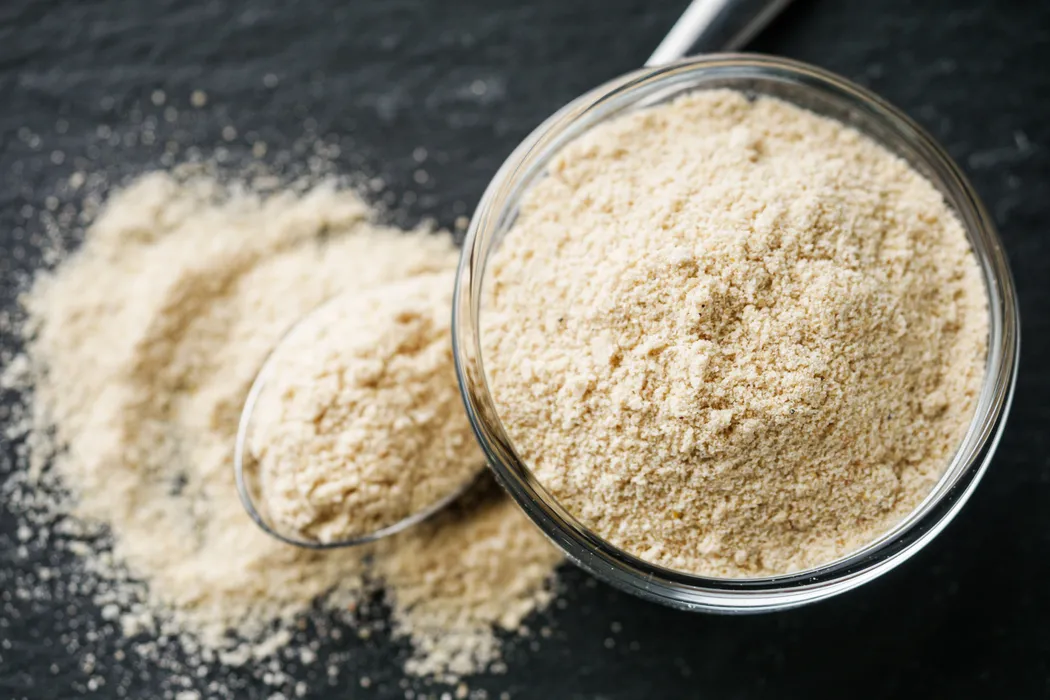
Hing, or asafoetida, is a resin extracted from the roots of the Ferula plant. It has been used for centuries in Ayurvedic medicine due to its digestive and anti-spasmodic properties. Using hing for baby gas is believed to help in the following ways:

  • Natural carminative properties: Hing may help relieve gas and bloating.
  • Muscle relaxation: It may help relax stomach muscles, reducing spasms.
  • Improved digestion: Traditional medicine suggests it stimulates digestive activity.

When applied externally, hing may gently stimulate the baby’s abdomen and help release trapped gas. Many parents prefer this method because it avoids giving oral medications to infants with sensitive digestive systems.

Explore Baby Colic & Digestion Aids Here

Load more products

How to Use Hing for Baby Gas Safely?

When learning how to use hing for baby gas, the most important rule is:

  • Never give hing orally to babies under six months.
  • Global health authorities such as the World Health Organization (WHO) recommend exclusive breastfeeding for the first six months of life. Introducing spices, water, or herbal remedies orally may disrupt digestion or pose choking risks.
  • For infants, hing should only be used externally.
    Below are the safest ways to use it.

Method 1: Warm Hing Paste Application

This traditional method is widely used to relieve infant gas.

Step 1: Prepare the ingredients
Take a small pinch of pure hing powder and a few drops of warm water or warm ghee.

Step 2: Make the paste
Mix the hing with the liquid to create a smooth, slightly runny paste.

Step 3: Check the temperature
Always test the paste on your wrist to ensure it is warm but not hot.

Step 4: Apply to the tummy
Gently apply the paste around your baby’s navel in a clockwise circular motion.

Important: Do not apply the paste inside the belly button, especially if the umbilical stump has not healed yet.

Step 5: Allow it to sit
Leave the paste on for about 15-30 minutes.

Step 6: Wipe it off
Use a warm, damp cloth to gently remove the paste once it dries.

Method 2: Hing Water for Baby Gas

Some parents prefer a diluted solution instead of paste.

Step 1: Prepare warm water
Boil a small amount of water and allow it to cool until comfortably warm.

Step 2: Add hing
Mix a tiny pinch of hing into the warm water.

Step 3: Apply externally
Dip a cotton ball or your clean fingers into the solution and gently massage it around your baby’s abdomen.

Step 4: Combine with tummy massage
You can pair this with gentle abdominal massages such as the “I Love You (ILU)” stroke technique to encourage gas release.
Important Safety Tips for Using Hing on Babies

Although hing for baby gas is widely used as a home remedy, safety precautions are essential.

  • Perform a Patch Test: Before applying hing to the stomach, test a small amount on your baby’s foot or ankle. Wait 15 minutes to check for redness or irritation.
  • Use Only External Application: Never add hing to milk, water, or food for infants.
  • Avoid the Umbilical Area: For newborns, keep all remedies away from the healing umbilical stump.
  • Consider Maternal Diet: If you are breastfeeding, consuming small amounts of hing in your meals may support your digestion and may indirectly benefit the baby.

Other Natural Ways to Relieve Infant Gas

Using hing can be helpful, but combining it with other gentle techniques may offer better relief.

  • Bicycle Leg Exercise: Lay your baby on their back and gently move their legs in a cycling motion toward the tummy. This movement helps push trapped gas through the intestines.
  • Tummy Time: Supervised tummy time places gentle pressure on the abdomen and may help babies pass gas naturally.
  • Paced Bottle Feeding: Keep the baby slightly upright while feeding and use a slow-flow nipple to reduce swallowed air.
  • Frequent Burping: Burp your baby during feeding, not just after. This prevents air from travelling deeper into the digestive tract.
  • Warm Baths: A warm bath can relax abdominal muscles and help relieve discomfort caused by gas.

Explore Baby Colic & Digestion Aids Here

Load more products

When to See a Doctor?

While gas is common in babies, severe or persistent symptoms may indicate another issue such as food intolerance, acid reflux, or colic.
Stop using home remedies and contact your paediatrician if your baby experiences:

  • High fever
  • Severe or projectile vomiting
  • Green or yellow vomit
  • Blood or mucus in stools
  • Poor feeding or refusal to feed
  • Failure to gain weight
  • A hard or swollen abdomen
  • Extreme irritability or lethargy

Medical advice is essential if symptoms persist.

FAQs

Can I feed hing directly to my newborn?

No. Health organisations recommend that babies under six months consume only breast milk or formula. Giving hing orally may harm a baby’s immature digestive system.

How long does hing take to relieve baby gas?

When applied externally, some parents notice relief within 15 to 30 minutes, although results may vary between babies.

Can hing paste be left on overnight?

No. Asafoetida is strong and may irritate delicate baby skin if left on too long. Always remove it after about 20–30 minutes.

Is hing water safer for babies with sensitive skin?

Diluted hing water is usually gentler than a thick paste. However, always perform a patch test before applying it.

What if hing does not help my baby’s gas?

If natural remedies do not work, your baby may have colic, reflux, or milk intolerance. A paediatrician can recommend safe treatment options.

Apollo 247 Floating Action Button