Hearing that your precious little one has a heart condition can be one of the most frightening and overwhelming moments for any parent. If your doctor has recently told you that your child has a newborn baby heart hole, you likely have a rush of questions and concerns. Take a deep breath. You are not alone, and modern medicine has made incredible advancements in treating this condition. While the phrase "hole in the heart" sounds terrifying, many of these openings are small, highly manageable, and often close entirely on their own as your baby grows. For those who require medical intervention, treatments are safer and more effective than ever before. In this comprehensive guide, we will walk you through everything you need to know about this condition. From understanding the different types of defects to recognising symptoms and exploring treatment options, we are here to provide simple, factual, and reassuring information.
In this article
- What is a Newborn Baby Heart Hole?
- Common Types of Heart Defects
- Symptoms of a Newborn Baby Heart Hole
- Causes and Risk Factors
- Diagnosis of a Hole in the Heart
- Treatment Options for a Hole in the Heart
- Long-Term Outlook for a Hole in Heart for a Newborn
- Conclusion
Hole in Baby's Heart: Types, Symptoms & Treatment
Learn about a hole in a baby’s heart, including types like VSD and ASD, common symptoms, causes, diagnosis methods, and modern treatment options for newborn congenital heart defects.
Apollo Pharmacy


What is a Newborn Baby Heart Hole?
What is a Newborn Baby Heart Hole?
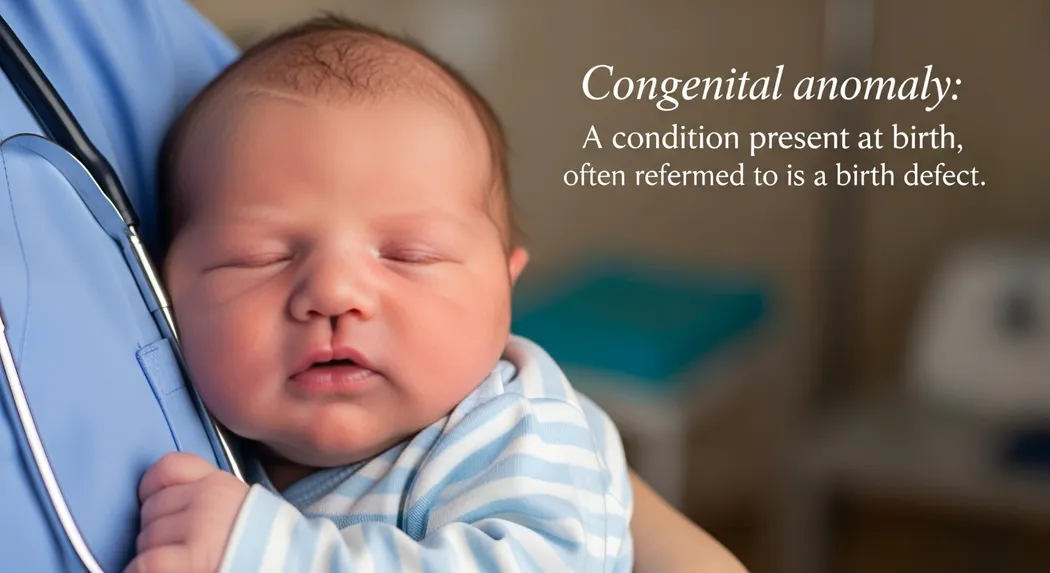
To understand what a newborn baby's heart hole is, it helps to know a little bit about how a healthy heart functions. The human heart has four chambers: two upper chambers (atria) and two lower chambers (ventricles). A solid wall of muscle, called the septum, separates the left side of the heart from the right side. This wall prevents oxygen-rich blood from mixing with oxygen-poor blood. During pregnancy, a baby’s heart develops rapidly. Sometimes, the wall separating the heart's chambers does not form completely, leaving an opening or a "hole." In the medical world, this is known as a Congenital Heart Defect (CHD). "Congenital" simply means the condition was present at birth. Because of this opening, blood can flow where it shouldn't. This can cause the heart and lungs to work harder than normal to pump blood through the body.
Common Types of Heart Defects
Common Types of Heart Defects
When discussing a heart hole in newborn baby populations, doctors are usually referring to one of two primary conditions. Both involve the septum (the dividing wall of the heart), but they occur in different locations.
1. Ventricular Septal Defect (VSD)
A Ventricular Septal Defect is a hole in the wall separating the two lower chambers of the heart (the ventricles).
How it affects the body: Because the left side of the heart pumps harder, a VSD pushes oxygen-rich blood back into the right side of the heart. This blood is then pumped back to the lungs instead of out to the body, making the heart and lungs work overtime.
Severity: VSDs are the most common congenital heart defects. Small VSDs rarely cause problems and often close on their own. Larger VSDs may require surgery.
Atrial Septal Defect (ASD)
An Atrial Septal Defect is a hole in the wall dividing the two upper chambers of the heart (the atria).
How it affects the body: Similar to a VSD, an ASD allows oxygen-rich blood to leak into the oxygen-poor blood chambers. Over time, this can lead to lung tissue damage or high blood pressure in the lungs if left untreated.
Severity: Many babies with small ASDs never show symptoms, and the hole frequently closes naturally during childhood.
Symptoms of a Newborn Baby Heart Hole
Symptoms of a Newborn Baby Heart Hole
Every baby is different, and the signs of a heart defect rely heavily on the size and location of the hole. If the opening is very small, your baby might not show any signs at all. However, if the hole is larger, you may begin to notice specific newborn baby heart hole symptoms in the first few weeks or months of life.
Keep an eye out for the following signs:
- Fast or heavy breathing: Your baby may seem to be breathing rapidly, even when resting.
- Poor feeding: Eating requires energy. Babies with a hole in the heart often get tired easily while nursing or taking a bottle.
- Sweating while eating: Because their heart is working so hard, your baby might break a sweat during feeding times.
- Slow weight gain: Due to poor feeding and the extra calories burned by a hard-working heart, your baby might struggle to put on weight.
- Cyanosis (bluish tint): In some cases, the skin, lips, or fingernails may take on a pale, greyish, or bluish tint due to lower oxygen levels in the blood.
- Frequent lung infections: Babies with certain heart defects are more prone to respiratory illnesses like pneumonia or bronchitis.
Note: If you notice any of these signs, contact your paediatrician. They can perform an exam to check for a heart murmur (an extra "whooshing" sound in the heartbeat), which is often the first clinical sign of a heart hole.
Causes and Risk Factors
Causes and Risk Factors
Parents often ask themselves, "Did I do something wrong?" The answer is a resounding no. Finding a hole in the heart of newborn baby boys or girls is relatively common, and in most cases, doctors do not know exactly why it happens. However, researchers have identified certain factors that may increase the risk of a baby developing a congenital heart defect during pregnancy:
- Genetics and family history: Heart defects can run in families. Additionally, genetic conditions, such as Down syndrome, are closely linked to a higher chance of heart defects.
- Maternal health conditions: Unmanaged diabetes or obesity during pregnancy can increase the risk of fetal heart abnormalities.
- Infections during pregnancy: Contracting certain infections, such as Rubella (German measles), during the first trimester can affect fetal heart development.
- Lifestyle factors: Smoking, consuming alcohol, or taking certain unapproved medications during pregnancy can interfere with the baby’s heart formation.
Diagnosis of a Hole in the Heart
Diagnosis of a Hole in the Heart
If a doctor suspects a hole in the heart in newborn baby patients, they will refer you to a pediatric cardiologist who specialises in children's hearts. Diagnosing the condition involves safe, painless, and non-invasive testing.
1. Stethoscope Exam
The doctor will listen to your baby’s heart. A heart hole often creates a distinct sound known as a heart murmur as blood rushes through the opening.
2. Echocardiogram (Echo)
This is the most common tool used for diagnosis. It is essentially an ultrasound of the heart. Using sound waves, the doctor can see the heart's chambers, measure the size of the hole, and monitor blood flow.
3. Electrocardiogram (ECG or EKG)
Small, sticky pads are placed on the baby’s chest to measure the electrical activity of the heart. This checks for irregular rhythms or signs that the heart is enlarged.
4. Pulse Oximetry
A small, painless clip is placed on the baby's finger or toe to measure the amount of oxygen in their blood.
Treatment Options for a Hole in the Heart
Treatment Options for a Hole in the Heart
The treatment plan for a newborn baby with a hole in the heart depends on the baby’s age, overall health, and the size of the defect. Your pediatric cardiologist will help you choose the best path forward.
1. Watchful Waiting
If the hole is small, your doctor will likely recommend routine check-ups. Many ASDs and VSDs close naturally as the child grows, requiring no medical intervention at all.
2. Medications
While medicine cannot physically close a hole, it can help manage symptoms while you wait to see if the hole closes on its own. Doctors may prescribe diuretics (water pills) to help remove extra fluid from the lungs or medications to help the heart beat stronger and more efficiently.
3. Catheter Procedure
For some types of holes (particularly ASDs), a surgical incision is not needed. A doctor inserts a thin, flexible tube (catheter) into a blood vessel in the groin and guides it up to the heart. A tiny mesh device or plug is pushed through the tube to cover the hole. Over time, healthy heart tissue grows over the mesh, sealing it permanently.
4. Open-Heart Surgery
For larger VSDs or complex heart defects, surgery may be required. A highly skilled pediatric cardiac surgeon will make an incision in the chest and patch the hole using a synthetic material or a piece of tissue from elsewhere in the body. While surgery sounds daunting, pediatric heart surgery has incredibly high success rates today.
Long-Term Outlook for a Hole in Heart for a Newborn
Long-Term Outlook for a Hole in Heart for a Newborn
When considering the long-term outlook of a hole in the heart for newborn children, the news is overwhelmingly positive. Babies whose heart holes close naturally, or those who have successful repairs, generally go on to live completely normal, healthy, and active lives. They can play sports, excel in school, and grow into healthy adults. Depending on the size of the repair, your child may simply need to visit a cardiologist once a year to ensure their heart remains strong and healthy.


Conclusion
Conclusion
A hole in a baby’s heart can sound alarming for parents, but it is important to remember that many congenital heart defects are manageable and often resolve with proper medical care. In many newborns, small holes such as Ventricular Septal Defects (VSD) or Atrial Septal Defects (ASD) may close naturally as the child grows. Even when medical treatment or surgery is required, modern pediatric cardiology has made these procedures highly safe and effective. Early diagnosis, regular monitoring, and timely medical care play a crucial role in ensuring the best outcome for your child. With guidance from a pediatric cardiologist and proper follow-up, most children with treated or naturally healed heart defects go on to live healthy, active, and fulfilling lives.
FAQS
FAQS
Can a newborn baby's heart hole close on its own?
Yes. In many cases, especially with small Ventricular Septal Defects (VSDs) and Atrial Septal Defects (ASDs), the hole will naturally close on its own as your baby grows during their first few years of life. Your pediatric cardiologist will monitor the hole’s progress through routine ultrasounds.
Is a hole in a baby's heart considered a severe condition?
It depends entirely on the size and location of the hole. Small holes often cause no symptoms and are not considered severe. Larger holes that cause the heart and lungs to work too hard are more serious but are highly treatable with modern medicine and surgery.
Can I breastfeed my baby if they have a heart hole?
Absolutely. Breast milk provides excellent nutrition and antibodies for your baby. However, babies with larger heart holes may tire easily while feeding. You may need to feed them in shorter, more frequent sessions, or supplement with high-calorie formula as directed by your paediatrician to ensure they gain weight.
Are congenital heart defects hereditary?
Genetics can play a role. If a parent or sibling has a congenital heart defect, the chances of a new baby having one are slightly higher. However, the majority of heart defects occur randomly with no clear genetic link.
When should I seek emergency care for my baby?
You should seek immediate medical attention if your baby experiences sudden difficulty breathing, turns blue around the lips or skin (cyanosis), becomes entirely unresponsive, or is breathing so fast that their nostrils flare or their chest retracts deeply with each breath.


