Trying to lose weight can start to feel exhausting when every diet seems complicated, expensive, or difficult to follow for more than a few days. A lot of plans ask you to buy special products, count every bite, or completely stop eating foods you actually enjoy. That is usually where things begin to fall apart.
A home made diet for weight loss can be a far more practical option. It is simple, familiar, and easier to continue in everyday life. When you prepare meals at home, you have better control over ingredients, cooking methods, oil usage, portion sizes, and meal timing. That alone can make a real difference.
Home-cooked food also makes it easier to build meals around basics such as vegetables, dal, eggs, curd, lean protein, whole grains, and fruit instead of relying too much on packaged snacks or takeaway meals. You do not need fancy ingredients. You just need a routine that feels realistic and balanced.
In this guide, we will look at how to build a home made diet for weight loss, which foods to include more often, and how to create a daily eating pattern that supports healthy and steady progress.
The Ultimate Home Made Diet for Weight Loss
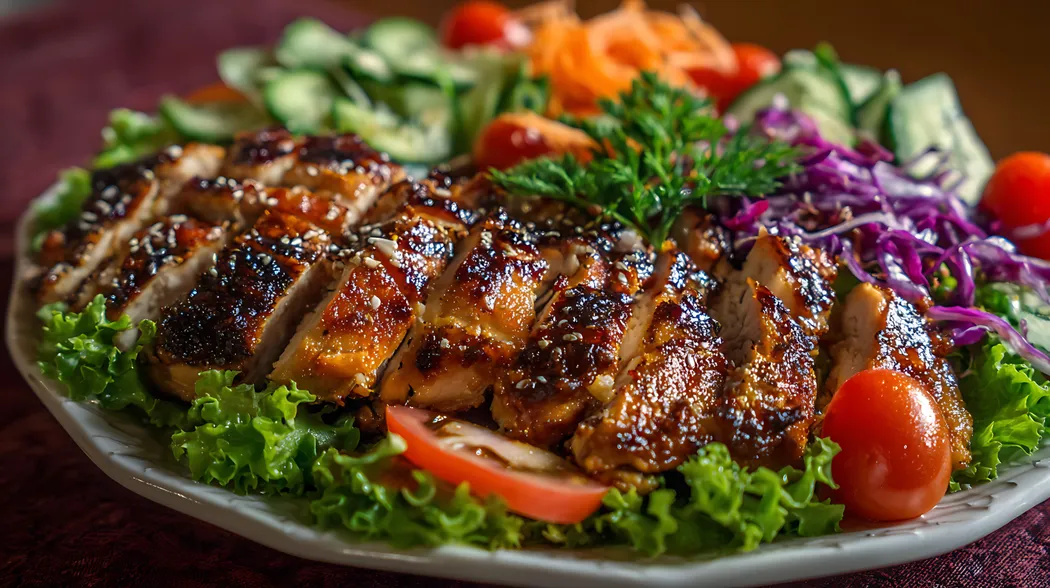
Discover a simple home made diet for weight loss with easy meal ideas, balanced food choices, and practical tips for healthy, steady progress.
Dr. Kamran
Why Choose a Home Made Diet for Weight Loss?
Eating out often or depending too much on packaged convenience foods can make weight loss harder than it needs to be. Restaurant meals and ready-to-eat foods are often higher in oil, salt, sugar, and calories than they seem. A home made diet for weight loss gives you more control and usually makes healthy eating much easier to manage.
- Better calorie control: Weight loss usually depends on maintaining a calorie deficit over time. When you cook at home, it becomes easier to measure oil, adjust ingredients, reduce added sugar, and avoid the hidden calories that are common in outside food.
- More budget-friendly: A weight loss diet plan at home can be much more affordable than takeaway meals, diet food subscriptions, or heavily marketed health products. Everyday ingredients such as lentils, eggs, curd, rice, oats, and seasonal vegetables can support a balanced diet without costing too much.
- Improved portion sizes: Outside food often comes in portions that are larger than what most people actually need. At home, you can serve a more reasonable amount and build a plate that matches your hunger and activity level.
- Easier to sustain long term: A diet only helps if you can continue it for more than a few days. Learning to prepare simple, filling meals at home makes weight management feel more natural and less like a temporary plan.
A home made diet for weight loss is not about cooking fancy meals every day. It is about creating a routine with familiar foods that are easier to portion, easier to trust, and easier to keep up with.
Core Principles of the Best Home Diet for Weight Loss
You do not need to be an expert cook to eat well at home. The best home diet for weight loss usually comes down to a few simple habits that make meals more balanced, filling, and easier to manage over time.
1. Prioritise Lean Protein
Protein is one of the most useful nutrients in a weight loss diet because it may help you stay full for longer and also supports muscle maintenance.
- Lean protein options: Skinless chicken, eggs, fish, paneer, tofu, curd, Greek yoghurt, dal, and lentils can all work well in home-cooked meals.
- Why it matters: Including a source of protein in each main meal may help reduce hunger later in the day and make portion control easier.
2. Add Plenty of Fibre-Rich Vegetables
Vegetables are naturally low in calories but high in volume, water, and fibre. This means they can help make meals feel larger and more satisfying without adding too many calories.
- Vegetables to include more often: Leafy greens, cabbage, cauliflower, broccoli, carrots, beans, bottle gourd, courgette, capsicum, and cucumber are all useful choices.
- Why it matters: A meal with enough vegetables may help support digestion, improve fullness, and reduce the tendency to overeat calorie-dense foods.
3. Choose Better Carbohydrates
Carbohydrates do not need to be removed from a home food diet plan for weight loss, but the type and quantity matter.
- Better carbohydrate choices: Oats, sweet potatoes, millets, brown rice, red rice, dalia, and whole wheat options are usually more filling than refined carbohydrates.
- Why it matters: Refined foods such as white bread, bakery items, sugary cereals, and packaged snacks may lead to quicker hunger and make it harder to stay in a calorie deficit.
4. Include Healthy Fats in Moderation
Healthy fats are important for overall health and can make meals more satisfying, but they are also calorie-dense, so portion size still matters.
- Healthy fat options: Olive oil, nuts, seeds, peanut butter, coconut in moderate amounts, and avocado can all be part of a balanced meal.
- Why it matters: Adding small amounts of healthy fats may help with satiety and make meals feel less restrictive, which is important for consistency.
A good home diet for weight loss does not need to be complicated. When meals regularly include protein, vegetables, better-quality carbohydrates, and moderate healthy fats, the overall diet becomes much easier to maintain.
https://www.apollopharmacy.in/shop-by-category/nutritional-drinks-supplements
How to Build a Simple Home Diet Plan for Weight Loss?
Building a balanced plate at home does not have to be complicated. A simple visual method can make everyday meal planning much easier and may help with portion control without needing to measure everything.
A practical way to structure meals is this:
- Half of the plate: Vegetables and fruits. Try to include a variety of colours and textures, with a stronger focus on vegetables during main meals. This adds fibre, volume, and important nutrients without making the meal too calorie-dense.
- One quarter of the plate: Whole grains or other better-quality carbohydrate sources. Options such as brown rice, millets, oats, dalia, quinoa, or whole wheat foods can provide more fibre and steadier energy than refined carbohydrates.
- One quarter of the plate: Lean protein. This part of the plate can include foods such as dal, beans, eggs, chicken, fish, paneer, tofu, or curd, depending on your dietary pattern.
This kind of plate structure can make a home diet plan for weight loss feel much more manageable. It naturally supports better portion balance, helps reduce overeating, and allows you to build meals from familiar ingredients without making the process feel too rigid.
A Sample 3-Day Home Made Diet Plan for Weight Loss
To make things easier, here is a simple home made diet plan for weight loss using everyday ingredients. The meals are filling, balanced, and practical enough for regular use. You can adjust portion sizes depending on your hunger, activity level, and daily calorie needs.
Day 1
- Breakfast: Oatmeal cooked with water or low-fat milk, topped with half an apple, a little cinnamon, and a small handful of walnuts. This makes for a fibre-rich breakfast that may help keep you full through the morning.
- Lunch: A large mixed green salad with cucumber, tomato, half an avocado, and grilled chicken breast, dressed with a basic home-made mix of olive oil and lemon juice. This keeps lunch light but still satisfying.
- Dinner: Baked salmon, or tofu if preferred, served with roasted broccoli and about half a cup of quinoa. This gives a good mix of protein, fibre, and better-quality carbohydrates.
- Snack: A small bowl of plain Greek yoghurt with berries for a simple high-protein snack.
Day 2
- Breakfast: Two scrambled eggs cooked with a small amount of oil, served with one slice of whole grain toast and sliced tomatoes on the side. This is a straightforward breakfast that includes both protein and some complex carbohydrates.
- Lunch: A bowl of home-made lentil soup with a small side salad. This can be a comforting meal that still works well for weight management.
- Dinner: Chicken stir-fry made with bell peppers, snap peas, and carrots, cooked with light seasoning and a small amount of low-sodium soy sauce, served over a modest portion of brown rice. This helps keep the meal balanced without making it too heavy.
- Snack: Carrot sticks with 2 tablespoons of hummus, which adds some fibre and plant protein.
Day 3
- Breakfast: A green smoothie made with spinach, half a banana, a scoop of protein powder or Greek yoghurt, and unsweetened almond milk. This can work well when you want something quick but still reasonably filling.
- Lunch: A whole wheat wrap filled with canned tuna mixed with a little mashed avocado instead of mayonnaise, along with spinach and shredded carrots. This is an easy meal that still includes protein and vegetables.
- Dinner: Courgette noodles tossed with home-made tomato sauce and lean turkey meatballs. This gives the feel of a hearty dinner while keeping the meal lighter.
- Snack: A small handful of unsalted mixed nuts. Because nuts are calorie-dense, it helps to keep the portion moderate.
This home based diet plan for weight loss is only a starting point. The foods can be swapped based on what you already have at home, what is in season, and what suits your taste. That flexibility is one of the reasons a home made diet is often much easier to continue.
5 Practical Tips for Your Simple Diet Plan for Weight Loss at Home
Starting a new routine can feel motivating in the beginning, but the real challenge is sticking with it long enough to see results. A few simple habits can make your home diet plan much easier to maintain.
1. Prep food in advance
Keeping ingredients ready can save a lot of effort during busy days.
- Meal prep: Spend some time once or twice a week washing, chopping, and storing vegetables, boiling eggs, or cooking basics such as dal, rice, or grilled chicken. This makes it easier to put together a healthy meal quickly instead of reaching for takeaway.
2. Stay hydrated
A lot of people confuse thirst with hunger, especially in the middle of a busy day.
- Water intake: Try to drink water regularly through the day. Around 8 glasses daily is a common starting point, though some people may need more depending on the weather and activity level.
3. Practise mindful eating
Eating too quickly can make it harder to notice when you are already full.
- Eating pattern: Try to eat slowly, chew properly, and avoid too many distractions such as scrolling on your phone or watching television during meals. This may help with portion control and make meals feel more satisfying.
4. Watch liquid calories
Drinks can quietly add a lot of extra calories without making you feel full.
- Better choices: Limit sugary soft drinks, sweetened coffee, packaged juices, and frequent alcohol. Water, lemon water, herbal tea, plain buttermilk, and unsweetened tea or coffee are usually better options.
5. Get enough sleep
Sleep affects hunger, cravings, and energy more than many people realise.
- Sleep routine: Aim for around 7 to 9 hours of sleep each night. Poor sleep may make you crave sugary or high-fat foods and can make it harder to stay consistent with healthy habits.
A good home made diet for weight loss does not need to feel extreme. The main idea is to keep coming back to simple meals, sensible portions, and routines you can actually follow in your own kitchen.
Conclusion
A home made diet for weight loss can be one of the simplest and most realistic ways to improve your eating habits. You do not need expensive products or overly strict rules. What usually works best is eating regular home-cooked meals, keeping portions sensible, and choosing foods that help you stay full and energised.
The real benefit of a home-based approach is that it fits into daily life more easily. You can adjust meals to your taste, your budget, and your routine without making the process feel overwhelming. Over time, these small and steady choices may help you lose weight in a healthier way while also improving your relationship with food.
Disclaimer: The information provided in this article is for educational purposes only and is not intended to substitute for professional medical advice, diagnosis, or treatment. Always consult with a physician, registered dietitian, or other qualified health provider before starting any new diet or exercise program.
FAQS
FAQS
Can I lose weight by simply eating normal home-cooked food?
Yes, you can. Weight loss usually happens when you consistently eat fewer calories than your body uses. Normal home-cooked food can work very well for this, as long as your meals are balanced and your portion sizes are sensible. In fact, home-cooked meals often make weight management easier because you have more control over oil, sugar, salt, and serving size.
What should I eat for dinner to lose weight at home?
Dinner does not need to be complicated, but it should be balanced and not overly heavy. A good dinner can include plenty of non-starchy vegetables, a moderate portion of protein, and a smaller portion of better-quality carbohydrates. For example, you could have grilled chicken or fish with sautéed vegetables and a little brown rice, or dal with sabzi and one roti. The idea is to keep dinner filling enough without making it too rich or oily.
Is it necessary to count calories on a home diet?
Not always. Some people do well without counting calories if they are mindful of portions and stick mostly to home-cooked, less processed foods. However, calorie tracking can still be useful if weight loss feels slow or if you are unsure where extra calories are coming from. Even without strict tracking, simple habits such as using less oil, serving smaller portions, and filling more of your plate with vegetables may help.
What are good everyday snacks for weight loss?
The best snacks are usually the ones that help control hunger without turning into another full meal. Snacks that combine some protein and fibre often work better than sugary or fried options. Good examples include an apple with a little peanut butter, a boiled egg, a small handful of nuts, roasted chana, or plain yoghurt. These choices may help keep you full between meals and reduce the urge to overeat later.
How much weight can I safely lose per week?
A gradual rate of weight loss is usually considered safer and easier to maintain. For many people, losing around 0.5 to 1 kilogram per week is a realistic target. The exact pace can vary depending on your starting weight, diet, activity level, and overall routine. Slower progress may not feel exciting, but it is often more sustainable in the long run.


