Air purifiers have gained popularity as people recognise the importance of clean air for health and overall well-being. These devices play a vital role in enhancing air quality at home, supporting better breathing and a healthier lifestyle. However, choosing the right air purifier can be challenging, given the variety of options available. If you're considering an air purifier for your home, it’s essential to look at several factors before making a decision. Read on to explore different types of air purifiers and find the best choice for your home setup.
How to Find the Best Air Purifier for Home in India?
Learn how to choose the best air purifier for your home. Understand filters, features, CADR, and room size to improve indoor air quality and health.
Apollo Pharmacy
What is an Air Purifier?
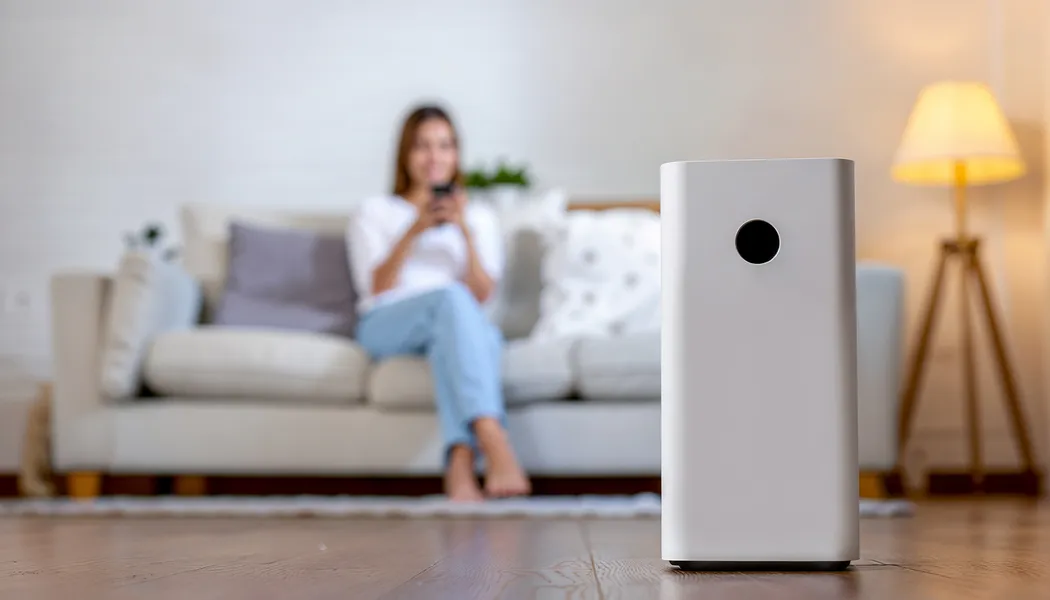
An air purifier is a device that enhances indoor air quality by filtering out contaminants and pollutants. It operates by drawing in polluted air, processing it through a range of filters and purification technologies, and then releasing cleaner, fresher air back into the room. Commonly used in homes, offices, and other indoor spaces, air purifiers help reduce allergens like pollen, dust mites, and pet dander, while also addressing mould spores, bacteria, smoke, and viruses. These devices are particularly valuable in areas with poor air quality or in households with pets or smokers, making indoor spaces healthier and more comfortable for those with asthma, allergies, or respiratory issues.
How Does an Air Purifier Work?
Here’s a brief overview of how air purifiers improve indoor air quality:
- Air Intake: The air purifier draws in air from the room using a fan or suction mechanism.
- Pre-filtering: Many air purifiers come with a pre-filter that catches larger particles, like hair, dust, and lint, to prevent clogging in the main filter.
- Main Filtration: The air then passes through the primary filtration system, which varies depending on the purifier model. Different filtration methods are used to capture or neutralise contaminants.
- Particle Capture: As air flows through the filters, particles such as pollen, pet dander, dust, mould spores, viruses, and bacteria are either trapped in the filter media or neutralised by purification technology.
- Clean Air Release: Purified air is then circulated back into the room, now free from pollutants. Some purifiers also offer features that target pathogens to further improve air quality.
This process continues in cycles, helping maintain cleaner, healthier indoor air for everyone in the room.
Why is an Air Purifier Necessary?
Daily exposure to polluted air can affect your health, especially with the high levels of air pollution seen recently. While outside, your options for protection are limited, but indoors, you can use air purifiers to create a safer environment for yourselves and your families. With worsening Air Quality Index (AQI) levels across the country, air purifiers have become essential for maintaining indoor air quality. Here are some key reasons for their use:
- Bronchitis and Asthma: Conditions like bronchitis and asthma can develop early in life and persist. They are often worsened by irritants like allergens, dust, and pet fur. Air purifiers reduce these particles, helping individuals with respiratory issues enjoy a cleaner living space.
- Allergic Rhinitis: Those with allergies to pollen, pets, or dust can experience symptoms like runny noses, sneezing, and difficulty breathing when exposed to these allergens. Air purifiers help reduce these allergens, creating a more comfortable environment for allergy sufferers.
- Immune Health: Young children and elderly people have more sensitive immune systems and benefit from a cleaner atmosphere. By filtering out chemicals, smoke, and dust, air purifiers contribute to a healthier indoor environment for vulnerable age groups.
- Exposure to Secondhand Smoke: Indoor smoking poses a risk from secondhand smoke and its odours. Air purifiers can help clear both the smoke and smell, creating a fresher indoor atmosphere.
- Urban Pollution and Odours: City living often involves exposure to smoke, vehicle emissions, and various odours that can enter the home. An air purifier actively cleans the indoor air, reducing these contaminants and supporting a healthier living space.
How to Choose the Best Air Purifier for Home?
Consider these key factors before purchasing an air purifier to ensure it meets your needs:
Types of filters
Achieving effective air purification typically requires more than just one type of filter. Here are five of the most commonly used filters or filtration stages in air purifiers and their specific purposes:
- HEPA Filters: High-Efficiency Particulate Air (HEPA) filters are made of densely woven fibres that trap tiny particles as small as 0.3 microns with an efficiency rate of 99.97%. They effectively capture common indoor allergens like pollen, pet dander, dust, and mould spores, making them highly beneficial for those with allergies or asthma.
- Pre-Filters: Pre-filters, usually crafted from coarse mesh, capture larger particles such as hair, dust, and lint before they reach the main filter. This helps prolong the life of other filters and enhances overall purifier efficiency by reducing the primary filter’s workload.
- Activated Carbon Filters: Activated carbon filters contain porous carbon treated to maximise surface area, which absorbs gases, odours, and volatile organic compounds (VOCs). They are especially useful for capturing cooking odours, smoke particles, pet smells, and chemical fumes, resulting in fresher, cleaner indoor air.
- UV-C Light Filters: UV-C light filters use ultraviolet light to neutralise viruses, bacteria, and mould spores by disrupting their DNA. These filters add a layer of defence against airborne pathogens and are often found in settings that prioritise hygiene, such as healthcare facilities.
- Ionic Filters: Ionic filters emit charged ions that bind to airborne particles, causing them to settle out of the air. These filters are effective for ultrafine particle removal, though they may produce ozone as a byproduct and typically require periodic cleaning of collection surfaces.
Types of Pollutants
Different types of indoor pollutants require specific filters for effective purification. Understanding these pollutants can help in selecting the most suitable air purifier for your needs. Here’s a look at common indoor pollutants and the filters that address them:
- Particulate Matter (PM): Particulate matter includes tiny particles such as pollen, dust, mould spores, smoke particles, and pet dander.
- Recommended Filter: HEPA filters are effective for capturing airborne particles as small as 0.3 microns with an impressive efficiency rate of 99.97%.
- Volatile Organic Compounds (VOCs): VOCs are chemicals released from sources like solvents, paint, furniture and cleaning agents. These compounds can have various health effects, both long-term and short-term.
- Recommended Filter: Activated carbon filters are ideal for VOC removal, as they trap VOC molecules within the carbon structure.
- Smoke and Odours: Smoke from cigarettes, wildfires, cooking, and household odours (from chemicals, pets, or cooking) can impact indoor air quality.
- Recommended Filter: Activated carbon filters excel at absorbing smoke particles and neutralising unwanted odours, enhancing air freshness.
- Viruses and Bacteria: Airborne pathogens, including viruses, bacteria, and mould spores, can lead to respiratory infections and other health concerns.
- Recommended Filter: UV-C light filters and antimicrobial-treated HEPA filters are effective against airborne microorganisms, with UV-C light disrupting DNA and antimicrobial HEPA filters inhibiting pathogen growth.
- Allergens: Common allergens such as dust mites, pollen, mould spores, and pet dander can trigger allergies and asthma symptoms.
- Recommended Filter: HEPA filters are highly effective in capturing allergens, reducing exposure and providing relief for individuals with respiratory sensitivities.
- Formaldehyde and Other Chemicals: Formaldehyde and other chemicals emitted from furniture, building materials, and household products pose health risks.
- Recommended Filter: Certain air purifiers include specialised filters for targeting specific chemicals like formaldehyde. Activated carbon filters also work well for trapping a wide range of VOCs, including formaldehyde.
Features
When selecting an air purifier, here are some useful features to consider:
- Pre-filter: Captures larger particles such as hair, helping to extend the life of internal filters. Many pre-filters are washable, adding a sustainable touch.
- Adjustable Fan Speeds: Allows control over purification speed and airflow, typically with 2-5 options. Some models include a Turbo Mode for extra power.
- Air Quality Monitoring: Continuously assesses indoor air for pollutants, adjusting settings automatically to maintain optimal air quality.
- Antimicrobial Treatment: Prevents the buildup of bacteria and other microbes on filters, ensuring a cleaner, more hygienic purifier.
- Portability: Handles and wheels make it easy to move the purifier from room to room, adding flexibility for use throughout the home.
- Remote Control: Enables convenient operation from a distance, allowing users to change settings without needing to be near the unit.
- Humidity Control: Maintains balanced moisture levels, helping to prevent mould, allergens, and mildew for a more comfortable indoor environment.
- Filter Replacement Indicators: Alerts users when it’s time to replace filters, ensuring ongoing performance and air quality.
- Timer Function: Automatically turns off the purifier after a specified period, saving energy and offering added convenience.
Room Size
The room's size significantly impacts the air purifier needed. Larger spaces require a unit with higher capacity to clean air efficiently. Look for an air purifier with a high Air Changes per Hour (ACH) rate, which indicates the number of times air is cycled and purified per hour. For most rooms, an ACH rate of 4-6 is ideal to ensure quick, effective cleaning.
Air Changes per Hour (ACH) Rate
The ACH rate reveals how frequently the purifier can circulate and clean air within an hour, which affects its effectiveness in removing pollutants. A higher ACH rate means the purifier works more rapidly and thoroughly.
Clean Air Delivery Rate (CADR)
CADR measures how efficiently the purifier removes particles from the air, based on both volume of air cleaned and pollutant types. Opt for a high CADR rating to ensure the purifier can meet your indoor air quality needs.
Noise Level
For use in quiet spaces like bedrooms, noise level is important. Many air purifiers offer sleep modes that lower fan speed and noise, making them more suitable for nighttime use. Look for a decibel rating of 30 or below for a quieter operation.
Replacement Filter Costs and Availability
Replacement filters impact long-term maintenance costs, as some purifiers need frequent replacements. Choose a model with affordable, readily available filters and check the manufacturer’s replacement schedule; some filters may need replacement every few months, while others last up to a year. Plan accordingly to budget for filter maintenance.
Design and Portability
The design of an air purifier isn’t just about appearance; it also affects performance. Many air purifiers combine functionality with style, featuring compact and attractive designs that don’t sacrifice effectiveness. Choosing a well-designed air purifier can enhance your space aesthetically, allowing it to blend seamlessly with your interiors while contributing to a cleaner, healthier environment.
Price Consideration
Considering the cost of an air purifier is essential, as it impacts both your budget and long-term expenses. Look at the initial purchase price, ongoing filter replacement costs, and energy usage to ensure a financially smart choice. Balancing affordability with functionality will help you maximise value for your investment in cleaner air. Various models on the market cater to different budgets, allowing you to select one that meets both your financial and air quality needs.
Conclusion
Choosing the right air purifier for your home is an important step toward improving indoor air quality and supporting a healthier lifestyle. With various types of filters, features, and designs available, finding a model that meets your needs requires careful consideration of factors like pollutant types, room size, filter maintenance, and budget. By understanding these aspects and comparing options thoughtfully, you can invest in an air purifier that effectively removes contaminants and enhances comfort for your entire household. Ultimately, a well-chosen air purifier can transform your living space into a safer, cleaner environment, contributing positively to your family’s well-being.


