Welcoming a new baby into the world is a magical experience filled with curiosity and questions. As you hold your tiny, fragile infant, you might notice how soft and flexible their body feels. This often leads parents to wonder about the structure of a newborn baby's bones. Many people assume that because babies are smaller than adults, they must have fewer bones. Surprisingly, the opposite is true. If you are wondering how many bones a newborn baby has, the answer might surprise you. While an adult human body contains 206 bones, a newborn baby actually has around 300 bones at birth. In this comprehensive guide, we will explore how many bones newborn babies have, why they are born with more bones than adults, and how their skeletal system develops as they grow.
How Many Bones Does a Newborn Baby Have?
Learn how many bones a newborn baby has and why babies are born with around 300 bones. Discover how infant bones develop and fuse into 206 adult bones.
Dr. Vasantha Sree
The Surprising Truth: Total Bones in a Newborn Baby
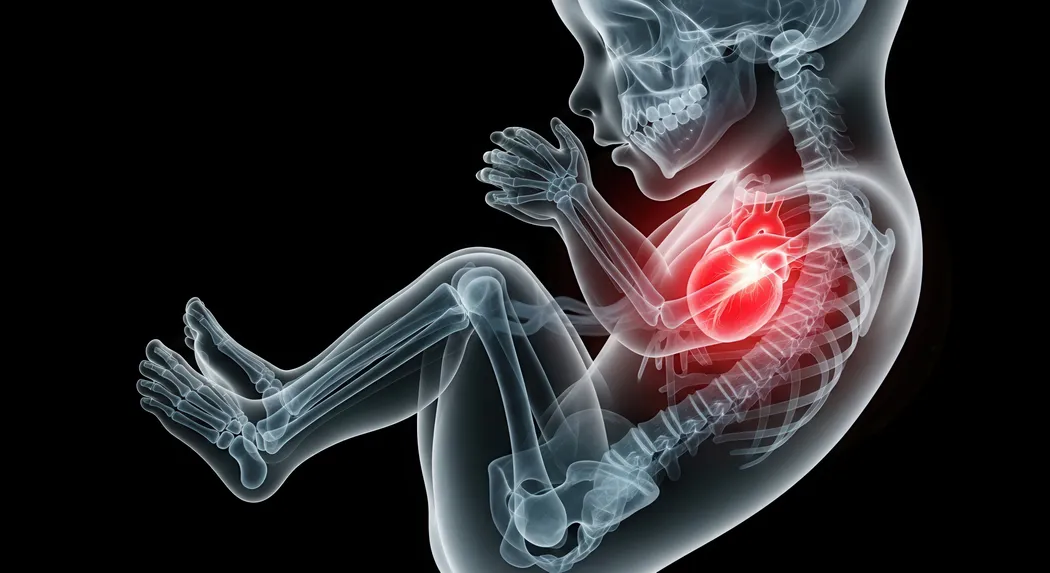
A newborn baby has approximately 300 bones. This number is significantly higher than the 206 bones found in an adult skeleton. The reason for this difference lies in how the human skeleton develops. Many bones in a newborn are not fully hardened yet. Instead, they
are made of cartilage, a flexible connective tissue that allows the skeleton to bend and adapt during birth and early growth. As the baby grows, these cartilage structures gradually harden and fuse together in a natural biological process called ossification. This is why the total number of bones decreases from about 300 at birth to 206 in adulthood.
Why Do Newborn Babies Have More Bones Than Adults?
Nature designed the newborn skeleton to support birth and rapid early development. There are two main reasons babies are born with more bones.
1. Easier Passage Through the Birth Canal
During childbirth, a baby's body must pass through the mother's birth canal. If the skeleton were fully rigid like an adult's, this process would be extremely difficult. To solve this problem, many bones in a newborn's body are separate and flexible. The skull, for example, is made of several bone plates that can slightly overlap during delivery. This flexibility helps the baby pass safely through the birth canal.
2. Supporting Rapid Growth
Babies grow incredibly fast during the first years of life. Their bones must expand as their brain, muscles, and organs develop. Because many bones start as separate pieces connected by cartilage, the skeleton can grow and lengthen easily. Over time, these pieces gradually fuse together to form stronger bones.


The Process of Bone Fusion
Many parents ask, 'If babies have 300 bones, what happens to the extra bones as they grow?'.The answer is simple – they fuse together. As a child develops, small bones gradually merge to form larger bones. Here are a few examples of how this happens.
The Skull
A newborn baby's skull is made up of several separate bone plates. Between these plates are soft areas called fontanelles, commonly known as "soft spots". These spaces allow the skull to compress during birth and give the brain room to grow. Over the first 12 to 24
months, the plates gradually fuse together to form a solid skull.
The Spine and Pelvis
In newborns, the sacrum (a bone at the base of the spine) consists of five separate vertebrae, and the coccyx (tailbone) consists of four segments. As the child grows into adolescence and adulthood, these segments fuse together to form solid bones.
Arms and Legs
The long bones in the arms and legs contain growth plates, also called epiphyseal plates. These cartilage plates allow bones to lengthen as a child grows. Eventually, these plates harden and fuse when growth is complete, forming the solid bones seen in adults.
How to Support Healthy Bone Development in Newborns?
Because a newborn baby's bones are still developing, proper care and nutrition are essential for healthy skeletal growth.
1. Proper Nutrition: Calcium and Vitamin D
Strong bones require the right nutrients. Breast milk or infant formula provides the necessary calcium needed for bone development. These are the primary sources of nutrition during the first year of life. Vitamin D is equally important because it helps the body absorb calcium effectively. The American Academy of Pediatrics recommends Vitamin D supplements for breastfed infants to support healthy bone growth.
2. Safe Physical Handling
Newborn bones are flexible but delicate. Gentle handling is very important. Always support the baby's head and neck when lifting them, since neck muscles are still weak. Avoid lifting babies by their hands or arms, as their joints and growth plates are fragile and can be injured easily.
3. Tummy Time
Supervised tummy time helps strengthen the muscles that support the baby's bones, especially in the neck, shoulders, and spine. Regular tummy time encourages healthy physical development and improves overall motor skills.


Conclusion
The human body is truly remarkable, especially during the earliest stages of life. From the flexible skull plates to the cartilage-based bones throughout the body, a newborn baby's skeleton is perfectly designed for birth and rapid growth. As your child grows, their bones gradually strengthen and fuse together to form the strong skeletal structure needed for adulthood. Providing proper nutrition, safe handling, and regular paediatric care helps ensure your baby's bones develop in a healthy and natural way.
FAQs
FAQs
How many bones does a newborn baby have?
A newborn baby has around 300 bones, compared to 206 bones in an adult skeleton.
Do babies lose bones as they grow?
No, babies do not lose bones. Instead, many small bones and cartilage segments fuse together over time, forming the larger bones found in adults.
What are newborn bones made of?
At birth, many bones are made largely of cartilage, which is flexible and soft. As the baby grows, cartilage gradually turns into hard bone through ossification.
Why do babies have soft spots on their heads?
The soft spots, called fontanelles, exist because the skull is made of several bone plates that have not yet fused. These allow the skull to adjust during birth and provide room for brain growth.
Do all babies have the same number of bones?
Yes. Regardless of gender, size, or ethnicity, newborn babies generally have about 300 bones that eventually fuse into 206 bones in adulthood.


