At-home Covid test kits have become a convenient tool for quickly checking your health, offering results in minutes. Whether you are in a bustling city or a quiet village, understanding the COVID home test reliability is crucial. These kits provide a helpful snapshot of your status but are not foolproof, especially compared to laboratory tests. Knowing the limitations and strengths of your rapid test improves your safety and the safety of those around you. This guide will clearly explain how to maximize the COVID self-test accuracy and when to consider a more definitive test.
How Reliable Are At-Home Covid Test Kits in India?
Find out the true COVID home test reliability. Understand the factors affecting COVID-19 self-test accuracy and when to seek a lab test.
Apollo Pharmacy
Understanding the Science (Test Kit Science)
The home kits widely used across India are typically Rapid Antigen Tests (RATs) that look for specific proteins of the virus. The mechanism is straightforward and works like a quick check for viral markers.
- Antigen Detection: The test cassette contains special chemicals that react to tiny viral proteins, called antigens. The presence of these proteins confirms that an active infection is likely.
- Speed of Results: Unlike the lab-based RT-PCR, these tests offer results quickly, usually within 15 to 30 minutes. This speed is the biggest advantage of the home test kit.
- Sensitivity vs. Specificity: The COVID home test reliability is judged by its sensitivity and specificity. High specificity means a positive result is very likely correct.
- Sensitivity Limitation: These RATs are generally less sensitive than RT-PCR, meaning they need a higher amount of virus present. Lower sensitivity is why false negatives can sometimes occur.
- ICMR Approval: All officially recognized test kits in India must have approval from the Indian Council of Medical Research. Always use only kits approved by ICMR for assurance.
Where Errors Happen? (When Results Go Wrong?)
Even when the COVID self-test accuracy is high, sometimes the results can be incorrect, leading to a false negative or, less commonly, a false positive. These errors are often tied to technique and timing.
- Incorrect Swab Technique: Not swabbing deep enough or not rotating the swab enough prevents adequate sample collection. A poor sample is the number one reason for a false negative result.
- Testing Too Early or Too Late: Testing too soon after exposure or too late into the infection can miss the peak viral load. The test is most reliable when symptoms are just beginning.
- Reading Outside the Time Window: Reading the result before the minimum time or after the maximum time limit can invalidate the test. Follow the specific time stated in the kit instructions.
- Expired or Damaged Kits: Using a kit past its expiration date or one damaged by heat or moisture degrades the chemical reagents. Check the date and storage conditions to improve the COVID home test reliability.
- Insufficient Sample Mixing: Failing to swirl the swab correctly in the buffer solution means the virus proteins are not fully released. The test cassette cannot detect an unmixed virus.
- Cross-Contamination: Accidentally touching the soft swab tip or placing it on a contaminated surface can ruin the test. Maintain strict hygiene throughout the process.
Choosing the Right Tool (Product List)
Many reliable and ICMR-approved home test kits are available, making it easier to ensure COVID self-test accuracy.
- Focus on Approved Brands: Always select kits manufactured by reputable companies that have official regulatory approvals in India. This offers the highest assurance of quality and consistency.
- Check Expiration Dates: Buy kits with a long remaining shelf life, especially if you are purchasing in bulk for a family or clinic. Fresh kits perform better than older ones.
- Look for Clear Instructions: Choose a kit whose instructions are written clearly in simple language, preferably also available in regional Indian languages. Simple steps improve the user's technique.
- Consider Ease of Swabbing: Some kits use a simple nasal swab, which is less invasive and easier for the elderly or children to tolerate. Ease of use impacts the sample quality.
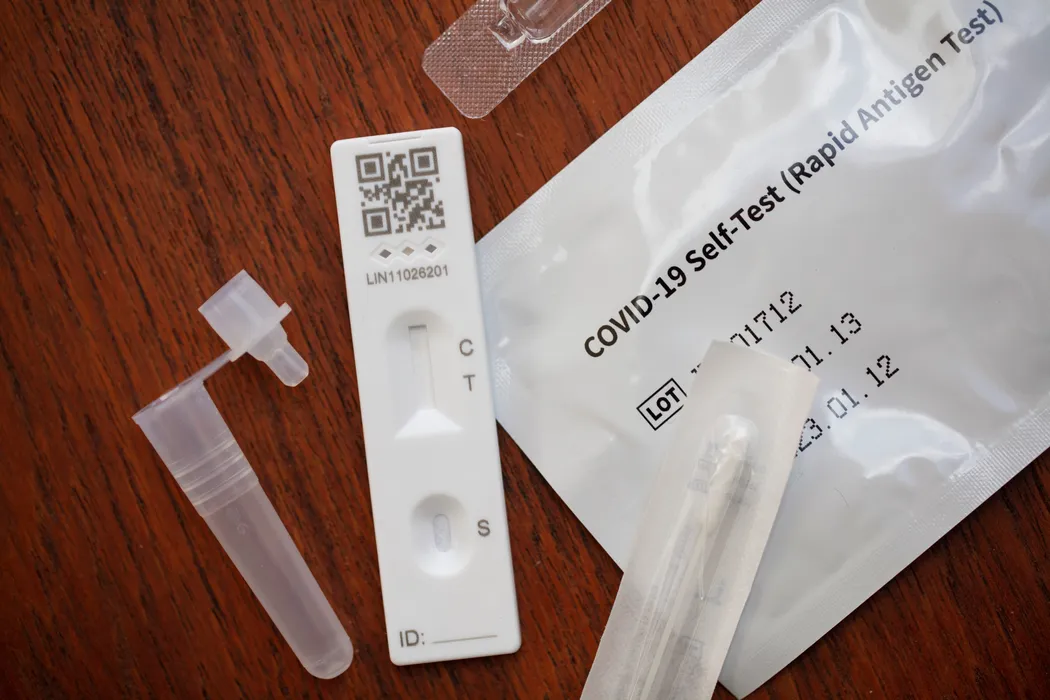
- Kit Contents Check: Verify the kit contains all necessary components: the sterile swab, the buffer solution tube, and the test cassette. Missing components make the test invalid.
When to Seek a Lab Test? (Confirmatory Tests)
While the COVID home test reliability is generally good for symptomatic people, a definitive lab test is sometimes required for formal confirmation.
- Negative Home Test, But High Symptoms: If your rapid test is negative but you have a strong fever, cough, and body ache, assume positive and get an RT-PCR. The virus load may simply be too low for the RAT.
- Confirmatory Need: The RT-PCR (Reverse Transcription-Polymerase Chain Reaction) remains the gold standard for diagnosis globally. It is highly sensitive, detecting even tiny amounts of the virus.
- Travel Requirements: Many international travel destinations or institutions still require an official RT-PCR report from an accredited laboratory. Always check the specific travel guidelines.
- Seeking Official Documentation: For insurance claims, official sick leave, or government records, a lab RT-PCR report may be mandatory. Home test results are often not officially accepted.
- Positive Home Test, No Symptoms: If you test positive but feel completely fine, an RT-PCR can confirm the positive status. High COVID self-test accuracy means the positive is likely real.
- Monitoring High-Risk Individuals: If testing is for a high-risk elderly person or one with pre-existing conditions, a confirmation test is safer.
Tips for Best Results (Safety Tips)
You are the most important factor in improving the COVID self-test accuracy. Follow these simple steps for the best COVID home test reliability.
- Wash Hands Thoroughly: Clean your hands with soap and water for at least 20 seconds before starting the test. Clean hands prevent contamination of the sample.
- Follow the Timer Strictly: Use a phone or watch timer to ensure the test is read at the exact time indicated in the kit. Timing is the key to chemical reaction success.
- Test Immediately After Swabbing: Do not let the swab dry out before placing it into the buffer solution. The sample must be processed quickly for the best results.
- Properly Dispose of Waste: Seal all used components in a plastic bag and place them in the garbage, away from children or pets. Used kits are bio-hazardous waste.
- Don’t Swab Deeply for Pain: Swab only as deep as instructed, which is usually only about 2 cm inside the nostril. You should not feel pain or discomfort.
Conclusion
At-home kits provide a quick, accessible, and generally reliable way to check for COVID-19 infection, enhancing public health across India. By understanding the factors that affect the COVID home test reliability and correctly using the kit, you can be confident in your results. Remember that a negative result does not guarantee the absence of infection; always be cautious and prioritize safety measures.


