Being a parent is an incredible journey filled with joy, but it also comes with its fair share of surprises. One of the most common and stressful surprises is opening your little one’s diaper to find a bright red, irritated bottom. Diaper rash is incredibly common, affecting most babies at some point during their first few years. Fortunately, it is also highly treatable. If you are a new parent feeling overwhelmed, do not panic. Learning exactly *how to use diaper rash cream for baby is a simple but essential skill that will help soothe your infant’s discomfort and protect their delicate skin. In this comprehensive guide, we will break down the best practices for treating this common ailment. From choosing the right products to mastering the application process, here is everything you need to know about how to use diaper rash cream for babies effectively.
In this article
- What is Diaper Rash & its Treatment?
- When to Apply Diaper Rash Cream?
- Step-by-Step: How to Use Diaper Rash Cream for Baby?
- Pro Tips: How to Cure Diaper Rash Quickly?
- Conclusion
How to Apply Diaper Rash Cream Correctly- Know it All
Learn how to apply diaper rash cream correctly for babies. Discover step-by-step application tips, prevention methods, and expert advice to treat and soothe diaper rash safely.
Apollo Pharmacy

Chicco Comfypro Diaper Pants New Born, 70 Count
₹913.30(₹1405)

Huggies Complete Comfort Wonder Baby Diaper Pants Large, 54 Count
₹562(₹1124)

Pampers Complete Skin Comfort Diaper Pants XL, 56 Count
₹783.40(₹1399)

Little's Premium Comfy Baby Diaper Pants XL, 54 Count
₹585(₹1170)

MamyPoko Extra Absorb Diaper Pants Large, 54 Count
₹638.60(₹1030)

Pampers Premium Care Diaper Pants Large, 44 Count
₹713.50(₹1399)
What is Diaper Rash & its Treatment?
What is Diaper Rash & its Treatment?
Before diving into the application process, it is helpful to understand what causes a diaper rash. Most diaper rashes are a form of contact dermatitis. This occurs when a baby’s sensitive skin is irritated by prolonged contact with wetness, urine, stool, or the friction of a tight-fitting diaper. Sometimes, a rash can also be triggered by new foods, antibiotics, or a yeast infection. A proper diaper rash treatment for babies involves two main goals: healing the current irritation and creating a barrier to prevent further damage. This is where barrier creams and ointments come into play.
Most over-the-counter creams rely on ingredients like zinc oxide or petroleum jelly. Zinc oxide is excellent because it sits on top of the skin, forming a thick, protective wall against moisture. In severe cases, a paediatrician might recommend a specialised diaper rash medicine, such as an antifungal cream, if a yeast infection is the culprit. However, for standard irritation, a generous layer of standard barrier cream is your best line of defense.
When to Apply Diaper Rash Cream?
When to Apply Diaper Rash Cream?
A common question among new parents is exactly when to apply diaper rash cream. The answer depends on whether you are trying to treat an active rash or prevent one from starting.
For an active rash
You should apply a thick layer of cream during every single diaper change. This ensures the skin remains completely protected from further contact with urine and stool while it heals.
For prevention
If your baby does not currently have a rash, you do not necessarily need to use cream with every change. However, many paediatricians recommend applying a protective layer right before bedtime or before a long car ride, as the baby will be wearing the same diaper for an extended period.
During illness or teething
Babies are more prone to diaper rash when they have diarrhoea or are teething. During these times, it is wise to be proactive and apply cream at every change to prevent skin breakdown.
Step-by-Step: How to Use Diaper Rash Cream for Baby?
Step-by-Step: How to Use Diaper Rash Cream for Baby?
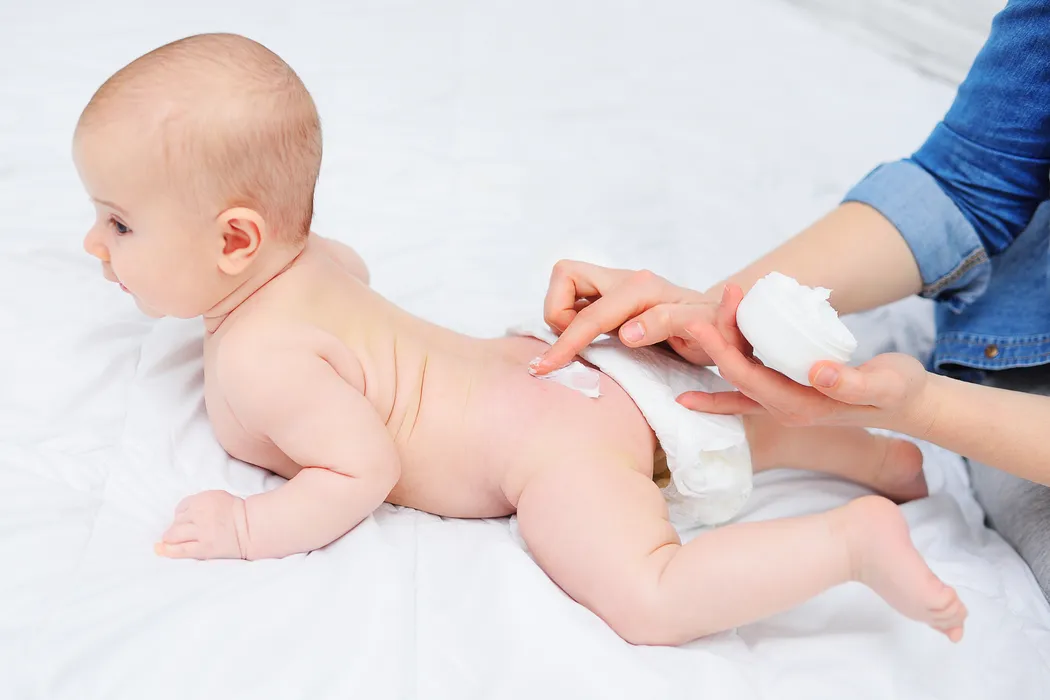
Knowing the proper steps is crucial. When caring for irritated skin, knowing how to apply diaper rash cream properly can make a big difference in how quickly the rash heals. Follow these simple steps for a safe and effective application:
Step 1: Wash Your Hands
Always start with clean hands. Wash them thoroughly with soap and warm water before changing the diaper. This prevents bacteria from your hands from entering the baby’s irritated skin.
Step 2: Clean the Diaper Area Gently
Remove the soiled diaper. Use warm water and a soft washcloth, or fragrance-free, alcohol-free baby wipes to clean the area. Be very gentle, do not rub or scrub the skin, as friction will only make the rash worse. Pat the area lightly or use a gentle squeezing motion to clean away stool.
Step 3: Let the Skin Dry Completely
This is the most critical step that many parents miss. If you apply a barrier cream over wet skin, you will trap the moisture against the skin, which can worsen the rash. Let your baby’s bottom air-dry completely. You can gently fan the area with a clean diaper or use a soft, dry cloth to pat it dry.
Step 4: Apply the Cream Generously
When it comes to how to use diaper rash cream for a baby, the rule of thumb is: don't skimp! Apply a thick, even layer of the cream. Paediatricians often say it should look like you are frosting a cake. You do not need to rub the cream fully into the skin; it is meant to sit on top as a protective barrier.
How & Where to Apply Diaper Rash Cream on a Baby Girl?
Anatomy matters when it comes to keeping your baby clean and safe. If you are wondering where to apply diaper rash cream on a baby girl, you must be mindful of her delicate areas. Follow the instructions below for safe application:
- Always wipe and apply cream from front to back to prevent the spread of bacteria from the anus to the vagina.
- Apply the cream to the buttocks, the crease of the groin, and the external labia (the outer lips).
- Do not insert cream inside the vaginal opening or the inner labia.
- Keep the focus entirely on the external skin that comes into direct contact with the diaper.
How to Apply Diaper Rash Cream on a Baby Boy?
Applying cream to a boy involves a slightly different approach. If you want to know how to apply diaper rash cream on a baby boy, the key is thorough coverage of all the folds. Follow the instructions below for safe application:
- Apply a generous layer of cream to his buttocks and deep into the creases of his groin, where moisture tends to pool.
- When considering where to apply diaper rash cream on a boy, make sure to gently lift the scrotum and apply cream underneath it, as this is a prime spot for friction and trapped moisture.
- Apply the cream to the base and shaft of the penis. However, avoid applying cream directly to the tip (the meatus) unless your paediatrician specifically advises it, to prevent any blockages.
- Knowing exactly where to apply diaper rash cream ensures your baby boy is fully protected from urine burns.
Pro Tips: How to Cure Diaper Rash Quickly?
Pro Tips: How to Cure Diaper Rash Quickly?
Sometimes, even with the best application techniques, a rash can be stubborn. If you are looking for strategies on how to cure diaper rash quickly, try implementing these expert tips alongside your cream routine:
1. Maximize "Naked Time"
Air is nature's best healer. Let your baby spend 10 to 15 minutes without a diaper a few times a day. Lay them on a waterproof mat or a clean towel and let their skin breathe.
2. Change Diapers Frequently
Do not wait for a diaper to be fully saturated. Change your baby the moment you notice they are wet or soiled. Frequent changes minimise the time the skin is exposed to irritants.
3. Switch Diaper Brands
Sometimes, a baby’s skin reacts to the specific materials, fragrances, or dyes used in a certain brand of diapers or wipes. Try switching to a hypoallergenic, fragrance-free brand to see if the rash improves.
4. Skip the Wipes
If the rash is severe, even sensitive baby wipes can sting. Instead, keep a peri-bottle (a small squirt bottle) filled with warm water at your changing station. Squirt the area clean and pat dry with a soft cotton cloth.
5. Do Not Scrub Off Old Cream
When you change a wet diaper, you do not need to scrub off the leftover barrier cream from the previous change. Just clean the soiled areas and add another layer of cream on top. Scrubbing off thick zinc oxide paste can tear the healing skin.

Chicco Comfypro Diaper Pants Medium, 54 Count
₹913.30(₹1405)

Chicco Comfypro Diaper Pants Small, 70 Count
₹913.30(₹1405)

Apollo Essentials Xtra Absorb Baby Diaper Pants Large, 82 Count
₹1011.60(₹1124)

Pampers Premium Care Diaper Pants XL, 36 Count
₹727.50(₹1399)

MamyPoko Extra Absorb Diaper Pants XXL, 38 Count
₹638.60(₹1030)

Pampers Active Baby Taped Diapers Medium, 62 Count
₹949.30(₹1217)
Conclusion
Conclusion
Seeing your baby uncomfortable is tough, but diaper rash is a highly manageable condition. By keeping the area clean, allowing the skin to dry completely, and applying a thick layer of a high-quality barrier cream, you can soothe your baby’s skin in no time. Remember, mastering how to use diaper rash cream for babies is all about creating a protective wall between your baby’s delicate skin and the moisture of their diaper. Whether you have a boy or a girl, knowing exactly where and how to apply these treatments will give you peace of mind and keep your little one happy, healthy, and smiling.
FAQS
FAQS
How thick should I apply the diaper rash cream?
You should apply the cream very thickly. Think of it like icing a cupcake. You want a solid, opaque layer of cream that completely covers the red, irritated skin. You should not be able to see the skin through the cream. This ensures urine and stool cannot penetrate the barrier.
What is the most important tip regarding how to use diaper rash cream for a baby?
The single most crucial tip for how to use diaper rash cream for a baby is to make absolutely sure the skin is 100% dry before putting the cream on. Applying a barrier cream over damp skin traps the moisture and bacteria, which defeats the purpose of the cream and can make the rash more severe.
Do I need to wash off the old diaper rash cream with every single change?
No, you do not. If the old cream is clean (meaning there is no stool on it), leave it there. Vigorously wiping off old, thick zinc oxide cream can strip the skin of its natural oils and worsen the rash. Simply wipe away any mess gently, and layer fresh cream over the old cream. When it is time for a bath, you can gently wash it away with warm water and mild baby wash.
Can I use baby powder instead of diaper rash cream?
The American Academy of Paediatrics (AAP) and the Centres for Disease Control and Prevention (CDC) strongly advise against using talcum powder or baby powder. Powders can easily become airborne and be inhaled by your baby, which can cause severe respiratory issues and lung damage. Always opt for a cream or ointment instead.
When should I stop treating it at home and call a doctor?
While most diaper rashes clear up in a few days with proper care, you should call your paediatrician if the rash bleeds, oozes, or develops open sores and blisters. You should also seek medical attention if the rash spreads outside the diaper area (like to the abdomen or back), if your baby develops a fever, or if the rash does not improve after 3 to 4 days of home treatment.


